

🤖 AI Summary
Overview
This episode explores the economic and strategic mechanisms underpinning Russia's resilience and advances in the war against Ukraine. Journalist Anatoly Kurmanaev delves into how Vladimir Putin has leveraged financial reserves, recruitment strategies, and global trade dynamics to sustain his war machine, despite international sanctions and domestic challenges.
Notable Quotes
- Military service has given working-class Russian men a Faustian deal: a ticket to the middle class in return for sacrificing their health and possibly their lives.
– Anatoly Kurmanaev, on Russia's recruitment strategy.
- Putin is ultimately fighting this war to restore Russia to superpower status, but it may leave the country a shadow of itself.
– Anatoly Kurmanaev, on the long-term consequences of the war.
- You don’t need to outrun the bear; you need to outrun your enemy.
– Anatoly Kurmanaev, on Putin’s strategy of endurance in the war.
🪖 Russia’s Military Resilience
- Russia has shifted from a defensive position in 2022 to making incremental territorial gains in Ukraine, signaling a war of attrition.
- Putin’s ability to mobilize resources—both human and financial—has been key to sustaining the war effort.
- The introduction of life-changing financial incentives for volunteers has replaced the unpopular draft, allowing Russia to recruit 1,000 soldiers daily.
💰 Economic Strategy and Sanctions Evasion
- Putin’s long-term economic planning, including saving oil revenues and maintaining fiscal conservatism, has enabled Russia to fund its war machine.
- Despite Western sanctions, Russia has redirected its oil exports to countries like China and India, maintaining a steady revenue stream.
- India, which previously bought little Russian oil, now sources 40% of its oil imports from Russia, driven by economic self-interest.
📈 The Role of Propaganda and Recruitment
- Recruitment ads glorify traditional masculinity and heroism, appealing to men seeking purpose and financial stability.
- Payments for soldiers include bonuses for enlistment, battlefield achievements, and even injuries or death, creating a transactional, mercenary-like system.
- This strategy minimizes public unrest, as volunteers are seen as making a personal choice rather than being coerced.
🌍 Geopolitical Shifts and Trump’s Role
- The return of President Trump has shifted Western diplomacy, with the U.S. and allies now considering Russia’s demands in peace negotiations.
- Trump’s approach reflects an acknowledgment of Russia’s battlefield strength and its leverage in the conflict.
- This shift has led to discussions about Ukraine potentially conceding some territory to Russia in exchange for security guarantees.
⏳ Long-Term Costs for Russia
- The war has drained Russia’s industrial base, making its economy overly reliant on military production at the expense of other sectors.
- Socially, the return of hundreds of thousands of veterans expecting financial entitlements could lead to significant unrest.
- The war’s aftermath may leave Russia isolated, autocratic, and economically stagnant, undermining Putin’s vision of restoring superpower status.
AI-generated content may not be accurate or complete and should not be relied upon as a sole source of truth.
📋 Episode Description
Over the weekend, Russia bombarded Ukraine with the largest drone assault in the war thus far.
It’s the latest in a relentless Russian offensive that keeps escalating, despite President Trump’s efforts to negotiate peace.
Anatoly Kurmanaev, who covers Russia for The Times, discusses the economic war machine that’s driving Russia’s success on the battlefield, and making it so hard for anyone to get President Vladimir V. Putin to back down.
Guest: Anatoly Kurmanaev, a reporter for The New York Times, covering Russia and its transformation following the invasion of Ukraine.
Background reading:
- Why Putin thinks Russia has the upper hand against Ukraine.
- Russia wants ‘security guarantees’ too. Here’s what they look like.
For more information on today’s episode, visit nytimes.com/thedaily. Transcripts of each episode will be made available by the next workday.
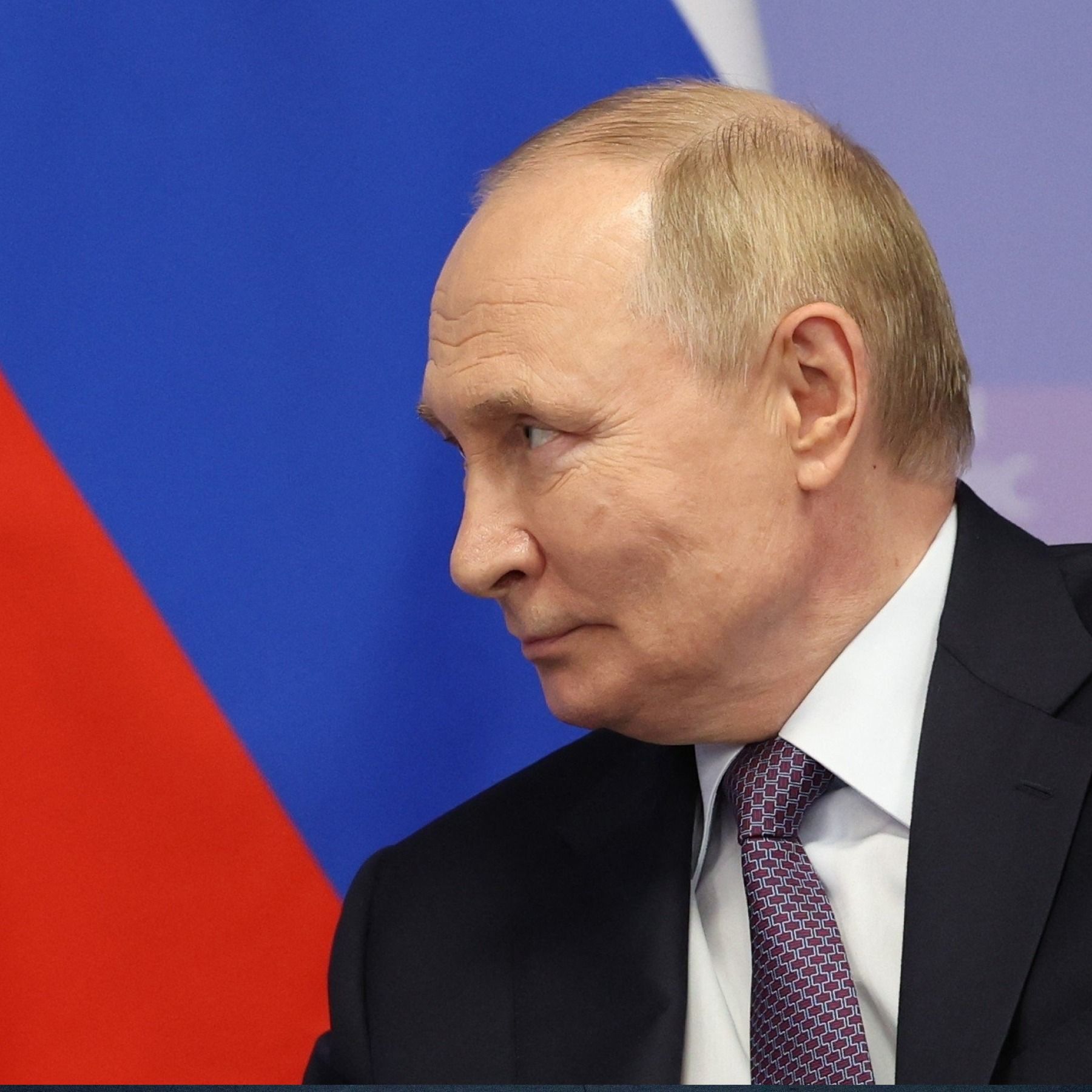
Photo: Pool photo by Alexander Kazakov
Unlock full access to New York Times podcasts and explore everything from politics to pop culture. Subscribe today at nytimes.com/podcasts or on Apple Podcasts and Spotify.