

🤖 AI Summary
Overview
This episode explores the deepening divisions within the Republican Party over President Trump’s war in Iran. It examines how Trump’s actions conflict with his longstanding anti-interventionist rhetoric, the ideological fractures among his supporters, and the broader implications for the party’s identity and future.
Notable Quotes
- Trump is not an anti-war president. He’s a smart war president.
– Robert Draper, on Trump’s self-perception and approach to military intervention.
- Iran is not Columbia University. It’s a hornet’s nest we’ve understood never to kick.
– Robert Draper, on the complexities of the Iran conflict.
- The only reason we’re having this war is because Israel wants it.
– Tucker Carlson, expressing skepticism about the motivations behind U.S. involvement in Iran.
🛡️ Trump’s Anti-War Rhetoric vs. Actions
- Trump’s 2016 campaign centered on rejecting endless wars, criticizing the Iraq War as a waste of American lives and resources.
- His America First
ideology emphasized domestic priorities over foreign intervention.
- Despite this, Trump’s recent military actions, including bombing Iranian nuclear sites and intervening in Venezuela, reveal a more interventionist approach.
- Robert Draper highlights Trump’s belief in leveraging power and strength, suggesting his anti-war stance was more about self-belief than ideology.
⚔️ Fractures in the Republican Coalition
- The Iran war has created divisions among Trump’s supporters, with some loyalists backing his actions and others feeling betrayed.
- Figures like Tucker Carlson and Joe Rogan have criticized the war, citing its contradiction with Trump’s promises.
- Anti-interventionist voices are aligning uncomfortably with conspiracy theorists and far-right figures, deepening ideological tensions.
- The resignation of Joe Kent, a top counterterrorism official, underscores internal dissent within the administration.
🇮🇱 The Role of Israel in the Debate
- Critics like Tucker Carlson and Candace Owens argue that Israel’s influence is driving U.S. involvement in Iran, fueling anti-Semitic undertones in the discourse.
- Robert Draper notes that Prime Minister Benjamin Netanyahu’s role in the war has amplified skepticism about U.S.-Israel relations.
- The shifting perception of Israel among Republicans reflects broader changes in the party’s foreign policy stance.
📊 Political Fallout and Voter Sentiment
- Opinion polls show Trump losing support among key demographics, including young, Black, and Latino voters, as well as independents.
- Republican elected officials largely back Trump, but dissent among voters could impact the party’s future.
- Democrats face challenges in capitalizing on this moment, as their messaging remains focused on criticizing Trump rather than offering a compelling alternative.
🤔 The Republican Party’s Identity Crisis
- The Iran war forces the GOP to confront its stance on America’s role in the world.
- Figures like J.D. Vance and Marco Rubio embody the party’s internal struggle, balancing isolationist and interventionist impulses.
- The war’s outcome could shape the party’s direction, determining whether it leans into isolationism or embraces Trump’s militaristic approach.
- Robert Draper emphasizes the need for Republicans to articulate a coherent foreign policy vision, a challenge they’ve avoided for years.
AI-generated content may not be accurate or complete and should not be relied upon as a sole source of truth.
📋 Episode Description
The war in Iran has created strong divisions among President Trump’s supporters. An anti-interventionist wing of the Republican coalition and some senior administration officials partial to Mr. Trump’s criticism of long overseas conflicts have quickly become uneasy about the war, which has shown no immediate signs of ending.
Robert Draper, a domestic politics journalist for The New York Times based in Washington, discusses Mr. Trump’s justification for the war and whether he is explicitly violating a pact he made with his base not to start another.
Guest: Robert Draper is a journalist based in Washington, D.C., who writes about domestic politics for The New York Times.
Background reading: Joe Kent, a top U.S. counterterrorism official, resigns over the Iran war.
High gas prices, driven up by the war, loom over the midterms.
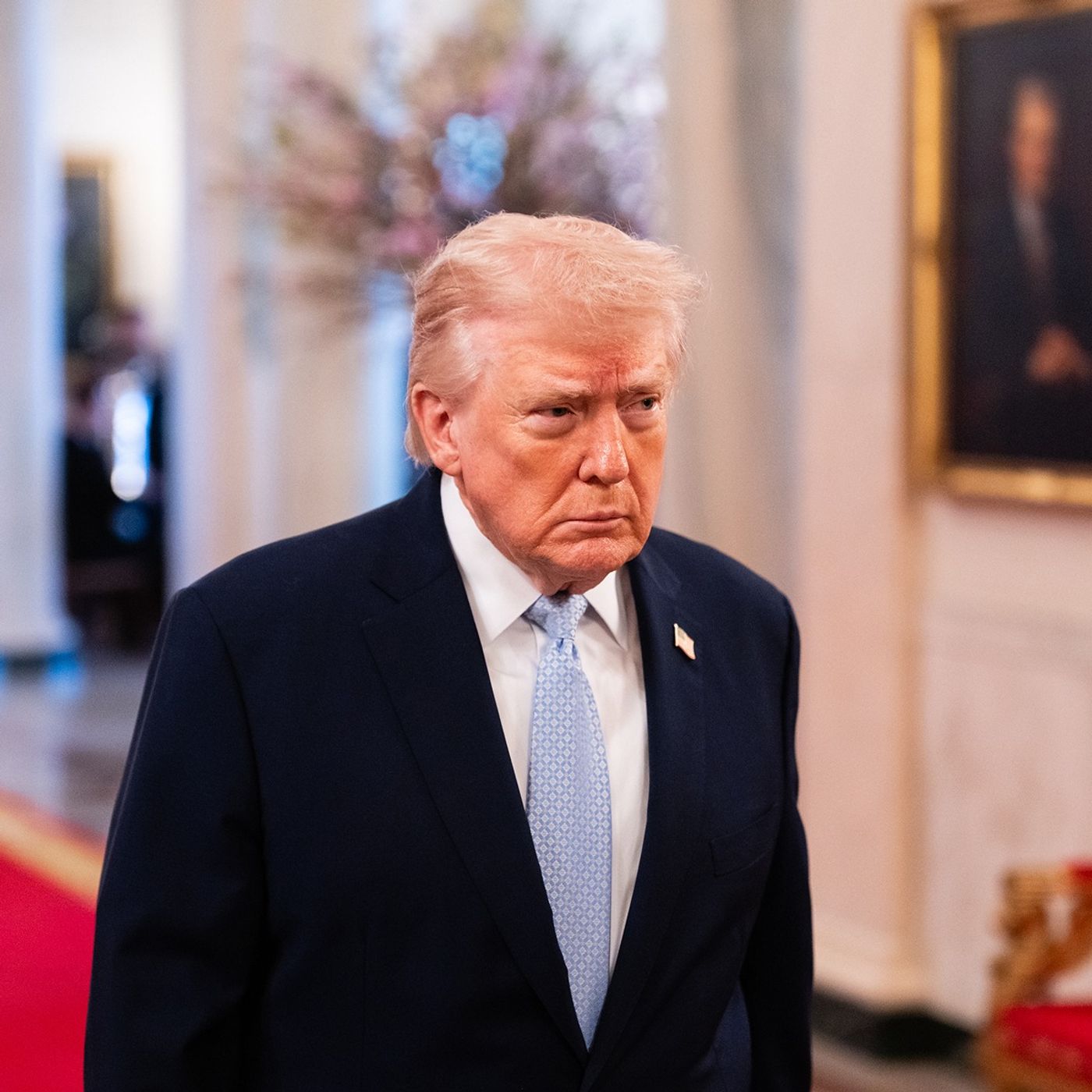
Photo: Eric Lee for The New York Times
For more information on today’s episode, visit nytimes.com/thedaily. Transcripts of each episode will be made available by the next workday.
Subscribe today at nytimes.com/podcasts or on Apple Podcasts and Spotify. You can also subscribe via your favorite podcast app here https://www.nytimes.com/activate-access/audio?source=podcatcher. For more podcasts and narrated articles, download The New York Times app at nytimes.com/app.
Hosted by Simplecast, an AdsWizz company. See pcm.adswizz.com for information about our collection and use of personal data for advertising.