

🤖 AI Summary
Overview
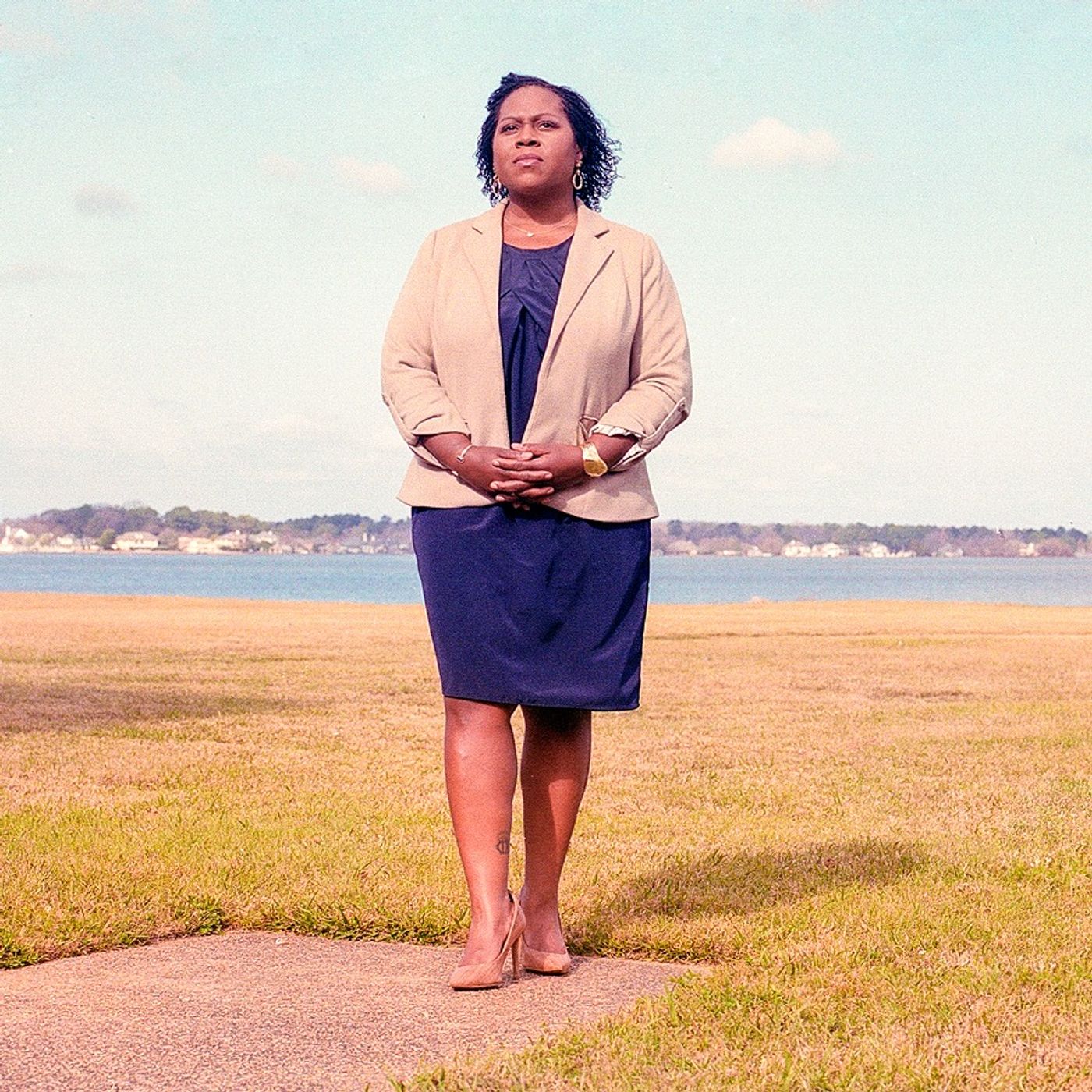
This episode explores the story of Kristie Metcalfe, a Black attorney in Mississippi, whose fight for equal pay turned into a landmark civil rights case. It delves into systemic discrimination, the challenges of pursuing justice, and the broader implications of the Trump administration's shift in civil rights enforcement priorities.
Notable Quotes
- As a Black girl growing up in the South, you're going to work twice as hard to get half as far.
– Kristie Metcalfe, reflecting on systemic inequities.
- The Senate can, quote, do what it wants.
– Kristie Metcalfe, recounting a statement from a Senate official about pay practices.
- This was the strongest pay discrimination case they'd had in years.
– Sarah Koenig, on the DOJ's initial assessment of Kristie's case.
💼 The Fight for Equal Pay
- Kristie Metcalfe, a Black attorney in Mississippi, was paid significantly less than her white colleagues despite performing similar or greater workloads.
- She initially accepted the pay disparity, attributing it to seniority, but later realized the systemic inequities when a newly hired white male attorney with no legislative drafting experience was paid $24,000 more than her.
- Kristie filed a complaint with the Equal Employment Opportunity Commission (EEOC), which found reasonable cause to believe she was discriminated against based on race.
⚖️ Systemic Discrimination and Retaliation
- Kristie faced retaliation after filing her complaint, including being ostracized by colleagues and assigned undesirable tasks.
- Her mental health and personal life suffered, leading to her eventual resignation.
- The Mississippi Senate offered a paltry $5,000 settlement and refused to implement anti-discrimination policies, highlighting the entrenched resistance to accountability.
🏛️ DOJ's Role and the Trump Administration's Impact
- The Department of Justice (DOJ) initially took up Kristie's case, deeming it a strong example of pay discrimination.
- However, after Donald Trump's election, the DOJ dropped the case following a directive from higher-ups, reflecting the administration's shift away from pursuing civil rights cases.
- This decision was part of a broader trend, with the Civil Rights Division gutted and numerous cases abandoned.
🛑 Barriers to Justice
- Kristie struggled to find legal representation after the DOJ's withdrawal, forcing her to file a private lawsuit.
- The lack of transparency and accountability in the DOJ's decision-making left her and others in similar situations without recourse.
- The episode highlights how systemic discrimination is perpetuated when institutions fail to enforce civil rights protections.
🌟 Resilience and Legacy
- Despite the setbacks, Kristie remains determined to fight for justice, filing a new lawsuit and continuing her legal career.
- Her story underscores the importance of representation and advocacy for marginalized communities.
- Kristie views her case as part of her legal legacy, aiming to pave the way for fair treatment of Black women in the workplace.
AI-generated content may not be accurate or complete and should not be relied upon as a sole source of truth.
📋 Episode Description
The Civil Rights Division of the Justice Department — founded to focus on fighting race-based discrimination — has drastically changed the kinds of cases it pursues, dropping or setting aside many already in progress.
Sarah Koenig from Serial Productions tells the story of Kristie Metcalfe — her civil rights case and how it was squandered.
Guest: Sarah Koenig, podcast host and producer for The New York Times’ Serial Productions.
Background reading: The Trump administration upended 60 years of civil rights in two months.
Photo: Imani Khayyam for The New York Times
For more information on today’s episode, visit nytimes.com/thedaily. Transcripts of each episode will be made available by the next workday.
Subscribe today at nytimes.com/podcasts or on Apple Podcasts and Spotify. You can also subscribe via your favorite podcast app here https://www.nytimes.com/activate-access/audio?source=podcatcher. For more podcasts and narrated articles, download The New York Times app at nytimes.com/app.
Hosted by Simplecast, an AdsWizz company. See pcm.adswizz.com for information about our collection and use of personal data for advertising.