

🤖 AI Summary
Overview
This episode explores the groundbreaking reality show Love on the Spectrum, which follows autistic adults navigating the complexities of dating. The discussion delves into the show's origins, ethical considerations, and its impact on representation of neurodiverse individuals in media.
Notable Quotes
- The unlikeliest person created the unlikeliest show where we're finding humanity and connection on reality TV, and it's authentic, even though it's a TV show.
– Anna Peele, on the show's unique appeal.
- Acceptance in modern society is kind of contingent on some of these more palatable factors. Is that the fault of the show? I tend to think not. They just turned on the light.
– Kaylin Partlow, reflecting on societal biases illuminated by the show.
- I have nightmares that I’m back to being a cast driver... I’m just really thankful to make something that people engage with and has a bit of purpose behind it.
– Kian O’Cleary, on his journey to creating Love on the Spectrum.
🎥 The Origins of Love on the Spectrum
- Kian O’Cleary, the show’s creator, transitioned from working on blockbuster films and reality TV to directing socially impactful documentaries.
- His experience directing Changing Minds, a series about psychiatric wards, shaped his approach to sensitive storytelling and consent.
- The idea for Love on the Spectrum emerged from his previous work on Employable Me, where autistic participants expressed their desire for love alongside employment.
🌍 Ethical Tightrope in Reality TV
- Unlike typical reality dating shows, Love on the Spectrum avoids exploitation and focuses on empathy and authenticity.
- Anna Peele highlighted the show’s careful handling of consent, ensuring participants and their families felt safe throughout filming.
- The production team debated showing vulnerable moments, like sensory overload, ultimately deciding that visibility fosters understanding.
🧩 Representation and Limitations
- While the show aims to showcase the diversity of the autism spectrum, critics like Kaylin Partlow note gaps in representation, such as the exclusion of non-speaking individuals.
- Casting tends to favor participants who are charismatic and communicative, which may flatten the breadth of autistic experiences.
- The creators acknowledge these limitations but emphasize the importance of balancing representation with commercial viability.
😂 Humor and Humanity
- Humor plays a central role in the show, but the team carefully navigates the line between laughing with participants versus at them.
- Many cast members embrace the comedic moments, enjoying the positive feedback and memes that celebrate their personalities.
- The show’s uplifting tone has resonated with viewers, offering relatable insights into dating and communication, regardless of neurodiversity.
💡 Broader Impact and Legacy
- Love on the Spectrum has sparked conversations about neurodiversity and dating, offering visibility to a group often underrepresented in media.
- While the show may not capture the full spectrum of autistic experiences, it has created a platform for participants to feel seen and celebrated.
- As Rachel Abrams noted, the direct communication style of the cast offers lessons for all viewers navigating relationships.
AI-generated content may not be accurate or complete and should not be relied upon as a sole source of truth.
📋 Episode Description
The reality show “Love on the Spectrum” — which just released its fourth season — has become a big hit; it’s currently one of the most watched shows on Netflix in the United States. The show follows autistic adults as they search for love.
“Love on the Spectrum” is unlike much of reality television — a genre known to subject its cast members to drama and humiliation for entertainment’s sake. Instead, the show captures a dating world that has more heartwarming moments than histrionics, and is sensitive and nuanced in its portrayal of neurodivergent people.
On today’s episode of “The Sunday Daily,” Rachel Abrams talks with Anna Peele, a contributing writer for The New York Times, about the show’s origin story and why it has resonated with so many people.
On Today’s Episode:
Anna Peele is a contributing writer to The New York Times Magazine and the author of the forthcoming book “Enter the Villa,” about the reality show “Love Island.”
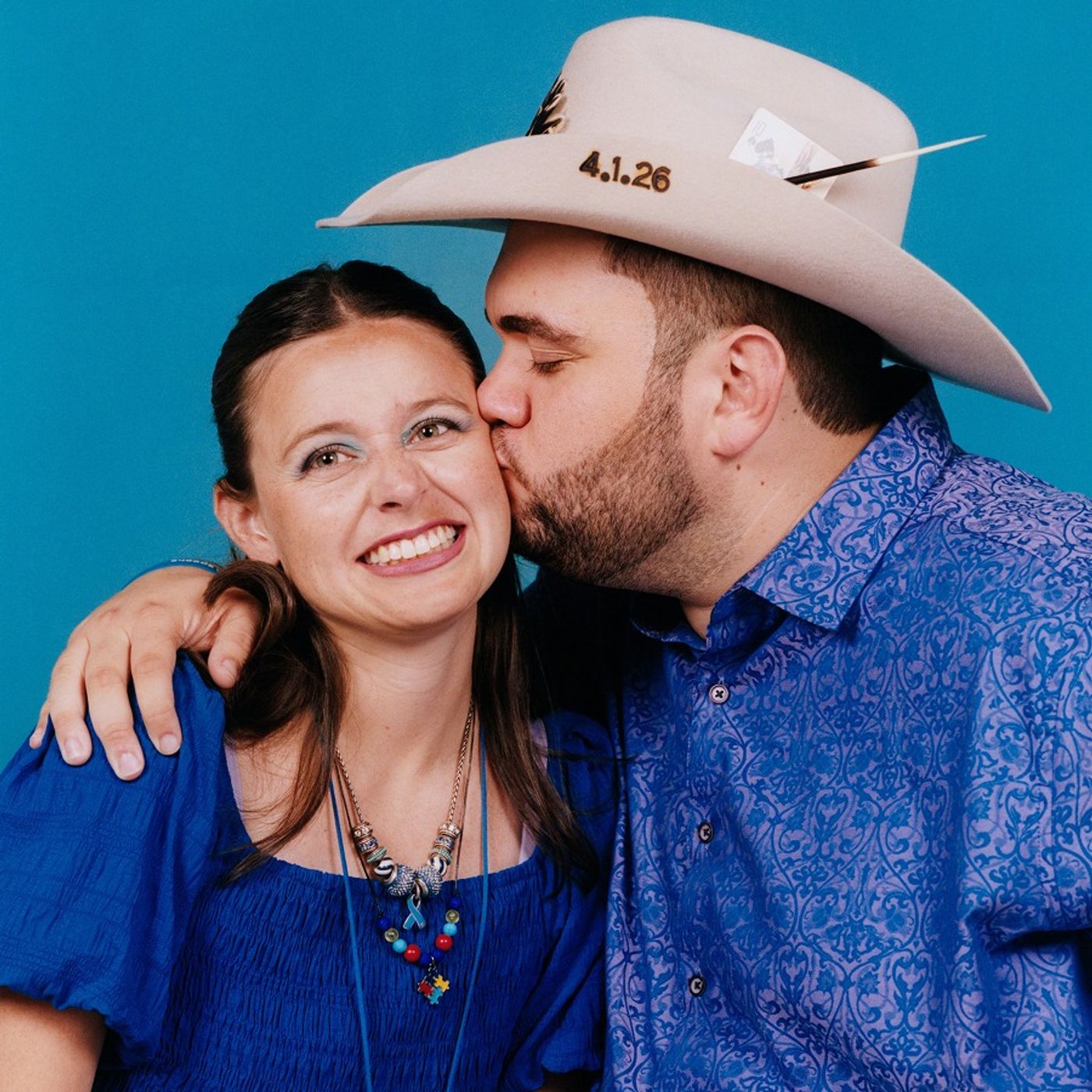
Photo credit: Ryan Pfluger for The New York Times.
Subscribe today at nytimes.com/podcasts or on Apple Podcasts and Spotify. You can also subscribe via your favorite podcast app here https://www.nytimes.com/activate-access/audio?source=podcatcher. For more podcasts and narrated articles, download The New York Times app at nytimes.com/app.
Hosted by Simplecast, an AdsWizz company. See pcm.adswizz.com for information about our collection and use of personal data for advertising.