
The U.S. Tried to Choke Russia’s Energy Market. Then It Made a Diesel Deal.

🤖 AI Summary
Overview
This episode examines President Trump's surprising decision to purchase Russian diesel fuel and temporarily suspend sanctions, a move aimed at lowering domestic fuel prices amidst rising costs from the Iran war and the upcoming midterm elections. The discussion explores the geopolitical implications, Ukraine's reaction, and the broader shift in U.S. foreign policy toward Russia.
Notable Quotes
- This move on Russian diesel is the most concrete sign that this administration is ready to substantively change its relationship with Russia, potentially at Ukraine's expense.
- Anton Troianovski, on the implications of the diesel deal.
- This is America first. This is taking care of American consumers, American farmers at a time when they're struggling.
- Anton Troianovski, summarizing the Trump administration's defense of the policy shift.
- At the end of the day, oil and gas exports are at the core of what drives the Russian economy. Any crack in the West's sanctions wall is important for Putin.
- Anton Troianovski, on how the deal benefits Russia.
🛢️ The Russian Diesel Deal: A Stunning Reversal
- President Trump announced a deal to purchase 300,000 tons of Russian diesel immediately, with more to follow, temporarily suspending sanctions on Russian diesel.
- The move shocked U.S. allies and Ukraine, as it undermines years of efforts to starve Russia's war machine of oil revenue.
- Ukrainian President Volodymyr Zelenskyy criticized the decision, calling it a weak
move that benefits Russia while the war escalates.
🌍 Geopolitical Strategy and Shifting U.S.-Russia Relations
- Trump's administration has shifted from offering business deals as post-war incentives to using them as down payments
to entice Russia into cooperation.
- The U.S. is signaling a willingness to engage with Russia economically even before the Ukraine war ends, a significant departure from previous hardline policies.
- European allies fear this shift could weaken the united front against Russia and embolden Putin.
📉 The Economic Impact of the Diesel Deal
- The initial diesel supply from Russia represents less than one day of U.S. consumption, making its impact on domestic fuel prices minimal.
- Diesel prices have dropped slightly, but the change is largely symbolic, aimed at signaling action to voters ahead of the midterms.
- Critics argue the deal provides Russia with a financial lifeline while offering little tangible relief to American consumers.
💥 Ukraine War Escalation Amid U.S. Frustration
- The war in Ukraine continues to escalate, with deadly strikes on infrastructure from both sides.
- The Trump administration has pressured Ukraine to halt attacks on Russian oil refineries, but Ukraine insists on mutual cessation of strikes, which has not materialized.
- Frustration within the administration has grown, with Trump increasingly blaming Zelenskyy for the lack of progress in ending the war.
💼 Business Deals and Potential Conflicts of Interest
- The U.S. is reportedly negotiating other lucrative deals with Russia, including the purchase of international assets from Russian oil company Lukoil.
- Investors close to the Trump administration, including those with ties to Jared Kushner, are positioned to benefit from these deals.
- Critics question whether these negotiations prioritize American foreign policy or personal financial interests of those involved.
AI-generated content may not be accurate or complete and should not be relied upon as a sole source of truth.
📋 Episode Description
President Trump announced a deal to purchase Russian diesel fuel and temporarily suspended sanctions in an effort to lower domestic fuel prices amid rising costs from the war in Iran and in anticipation of the upcoming midterms. This abrupt foreign policy shift stunned European allies and drew sharp criticism from Ukraine, which viewed the move as a weakening of Western leverage against Russia.
Today, Anton Troianovski, a global affairs correspondent for The New York Times, discusses what the deal reveals about the Trump administration’s strategy with Russia, and how much it could actually lower prices at the pump.
Guest: Anton Troianovski, a global affairs correspondent for The New York Times who writes about foreign policy, national security and America’s place in the world.
Background reading: Trump faces a new crisis over Ukraine following the Russian diesel deal.
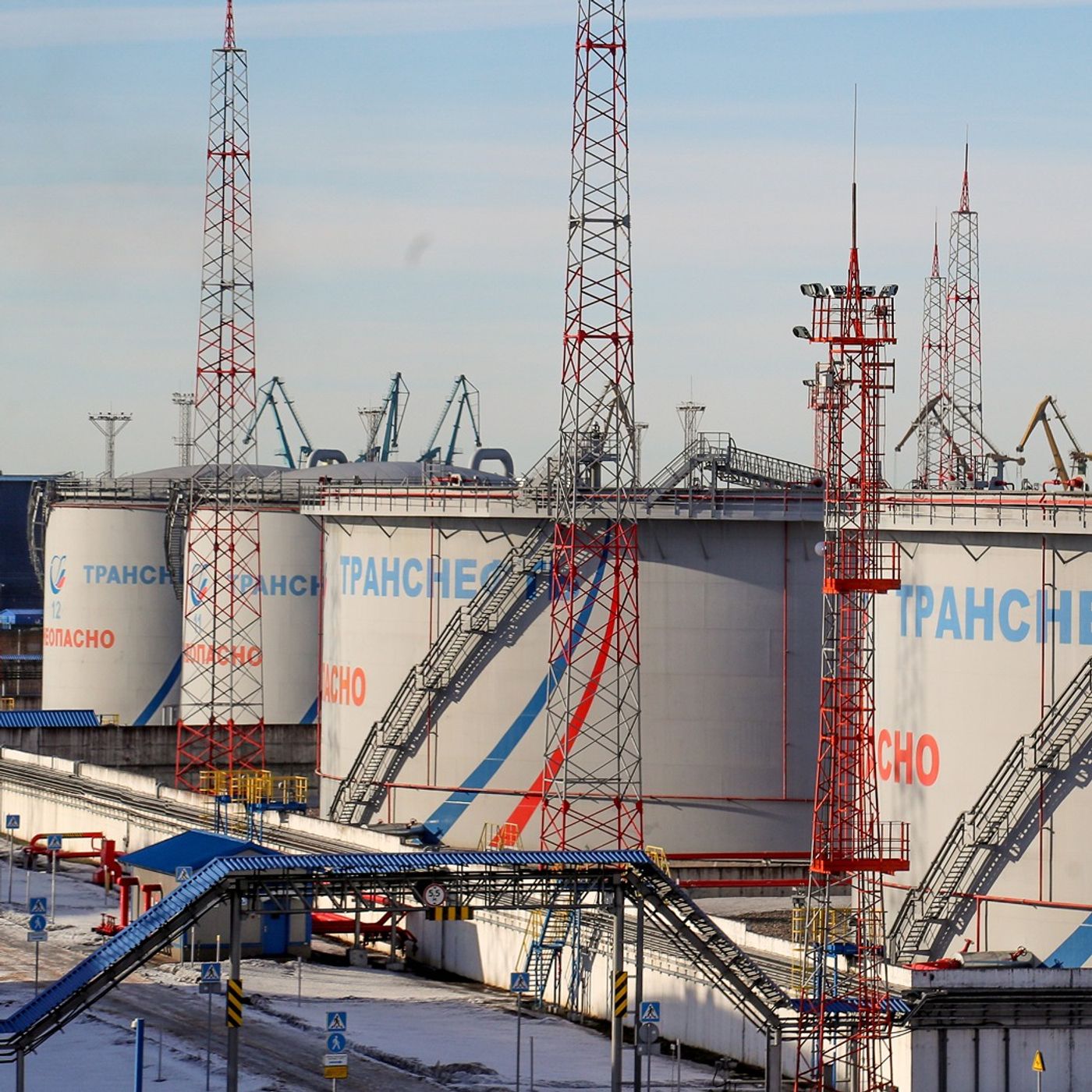
Photo: Igor Grussak/picture alliance via Getty Images
For more information on today’s episode, visit nytimes.com/thedaily. Transcripts of each episode will be made available by the next workday.
For more information on today’s episode, visit nytimes.com/thedaily. Transcripts of each episode will be made available by the next workday.
Subscribe today at nytimes.com/podcasts or on Apple Podcasts, Spotify and Amazon Music. You can also subscribe via your favorite podcast app here https://www.nytimes.com/activate-access/audio?source=podcatcher. For more podcasts and narrated articles, download The New York Times app at nytimes.com/app.
Hosted by Simplecast, an AdsWizz company. See pcm.adswizz.com for information about our collection and use of personal data for advertising.