

🤖 AI Summary
Overview
This episode explores the rapid proliferation of Flock cameras, automatic license plate readers used by law enforcement and private entities across the United States. While these cameras are touted as essential tools for crime prevention, they have sparked significant privacy concerns and backlash, raising questions about surveillance, civil liberties, and the balance between security and freedom.
Notable Quotes
- We're just sleepwalking into this surveillance state where it's just too easy to know everything about us.
— Kashmir Hill, on the growing ubiquity of surveillance technologies.
- What degree of liberty do we want to give up for security? We'll never have perfect liberty. We'll never have perfect security.
— Kashmir Hill, reflecting on the societal trade-offs of surveillance.
- In free America, where I go during the day is my business.
— Citizen at a city council hearing, expressing frustration over the presence of Flock cameras.
📸 The Rise of Flock Cameras
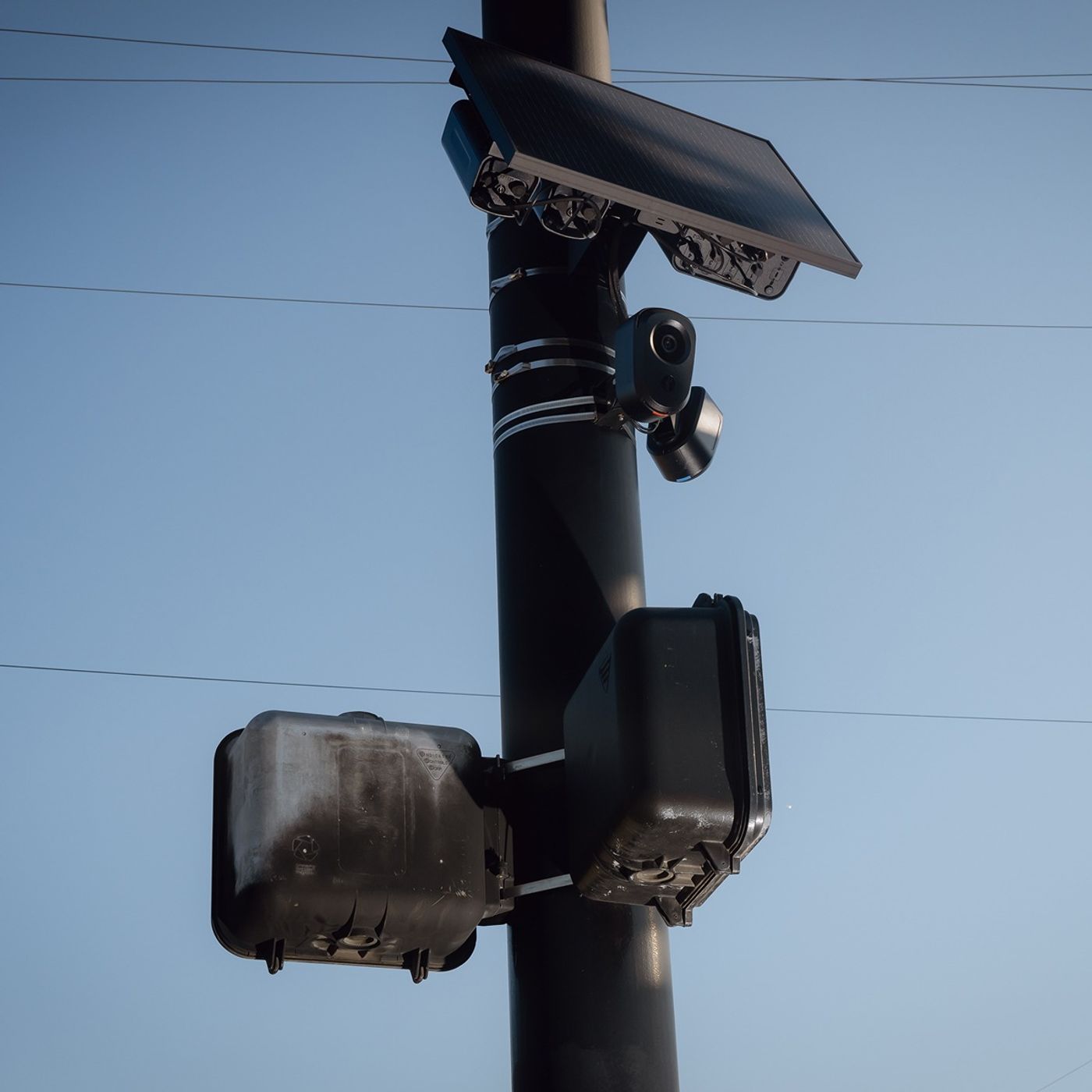
- Flock cameras are automatic license plate readers that capture photos of cars, license plates, and additional details like car color, make, bumper stickers, and visible damage.
- Founded by Garrett Langley in Atlanta, Georgia, Flock initially sold cameras to homeowner associations as a neighborhood watch tool.
- The company began working with police departments in 2020, leading to rapid expansion. Today, Flock has over 120,000 cameras across 49 states, with contracts in 40% of U.S. law enforcement agencies.
🚔 Crime Prevention vs. Privacy Concerns
- Law enforcement agencies use Flock cameras to track vehicles involved in crimes, locate missing persons, and respond to Amber Alerts. The system allows police to search for cars based on license plates, color, or other identifying features.
- Flock claims its cameras helped solve over a million crimes last year, though critics question the lack of independent verification of these numbers.
- Critics argue that the cameras enable mass surveillance, capturing data on millions of Americans who have committed no crimes, which raises Fourth Amendment concerns about unlawful searches.
⚖️ Legal and Ethical Challenges
- Flock's early move fast and break things
approach led to conflicts with transportation departments over permits for public road installations.
- The company allows police departments to opt into a national network, enabling cross-state tracking of vehicles. However, this has led to misuse, including immigration enforcement and personal tracking by officers.
- Lawsuits challenging the constitutionality of these cameras have so far been unsuccessful, with judges citing insufficient ubiquity to violate privacy rights.
🛠️ Backlash and Resistance
- Citizens have organized against Flock cameras, creating a crowdsourced map called Deflock
to identify camera locations. Over 100,000 cameras have been mapped.
- Acts of vandalism, including cutting down poles and spray-painting lenses, have been reported. Some individuals have even demonstrated how to destroy the cameras.
- Bipartisan objections to the cameras have emerged, with critics from both the left and right citing concerns over privacy and government overreach.
🌐 The Future of Surveillance and Privacy
- The physical presence of Flock cameras has heightened public awareness of surveillance, contrasting with the often invisible nature of online tracking.
- Experts warn that private companies like Flock are enabling surveillance that governments might otherwise be restricted from conducting.
- The episode highlights the broader societal debate: how much privacy are Americans willing to sacrifice for security, and what safeguards should be in place to prevent misuse of surveillance technologies?
AI-generated content may not be accurate or complete and should not be relied upon as a sole source of truth.
📋 Episode Description
This summer, Fernando Alfonso, the Texas editor for The New York Times, got in a car with a man named Philip. They drove around the suburban streets of Dallas searching for traffic cameras — not for a red-light camera, or a speed-trap camera, but something new, an automatic license-plate reader made by a company called Flock.
Law enforcement officials say these cameras are essential to fighting crime, but Phillip and people like him, who have located 100,000 flock cameras all over the country, see them as something else: the beginnings of a surveillance state.
Today, Kashmir Hill, a technology and privacy writer at The New York Times, discusses the company behind the cameras and the mounting backlash.
Guest: Kashmir Hill, a technology and privacy writer at The New York Times.
Background reading: One thing Texan liberals and conservatives agree on: They don’t want cameras trained on their cars.
Photo: Desiree Rios for The New York Times
For more information on today’s episode, visit nytimes.com/thedaily. Transcripts of each episode will be made available by the next workday.
For more information on today’s episode, visit nytimes.com/thedaily. Transcripts of each episode will be made available by the next workday.
Subscribe today at nytimes.com/podcasts or on Apple Podcasts and Spotify. You can also subscribe via your favorite podcast app here https://www.nytimes.com/activate-access/audio?source=podcatcher. For more podcasts and narrated articles, download The New York Times app at nytimes.com/app.
Hosted by Simplecast, an AdsWizz company. See pcm.adswizz.com for information about our collection and use of personal data for advertising.