

🤖 AI Summary
Overview
This episode delves into the systemic issues within the U.S. organ transplant system, highlighting how government pressure to increase transplants has led to ethical dilemmas, risks for donors, and inequities in organ allocation. Investigative reporter Brian M. Rosenthal shares findings from his months-long investigation, revealing troubling practices and their consequences.
Notable Quotes
- Once the patient has been authorized for organ donation, the system kind of sees them as an organ donor. They put on blinders.
– Brian M. Rosenthal, on the risks of premature organ retrieval.
- What made them decide that Marcus wasn’t good enough for that kidney?
– Marcus’s mother, on the heartbreak of her son being skipped for a transplant.
- Good intentions, in this case, are leading to greater risk.
– Michael Barbaro, summarizing the unintended consequences of federal transplant policies.
🩺 The Push for More Transplants
- In 2019, the Trump administration issued an executive order to address the long waiting list of over 100,000 Americans needing transplants.
- Health Secretary Alex Azar, motivated by personal experience, spearheaded reforms, including threats to revoke contracts of underperforming organ procurement organizations (OPOs).
- This led to aggressive efforts to recover more organs, including increased reliance on donation after circulatory death
(DCD), a less definitive process than brain death.
⚠️ Ethical Risks in Organ Procurement
- DCD donations have tripled, but the process is prone to errors due to its subjective nature.
- Rosenthal recounts a case in Kentucky where a man, presumed beyond recovery, began showing signs of life moments before his organs were to be harvested. He later fully recovered.
- A federal investigation found 73 cases in Kentucky alone where signs of recovery were ignored, raising concerns about systemic blinders
once a patient is labeled a donor.
📜 Fairness in Organ Allocation
- The organ allocation system, designed to prioritize fairness, has been undermined by out-of-sequence allocation,
where OPOs bypass the official list to expedite placements.
- Nearly 20% of organs now go to recipients not at the top of the list, up from 3% in 2020.
- Rosenthal shares the story of Marcus, a teenager skipped for a kidney transplant despite being the top match. The kidney was instead given to a patient ranked 3,558.
📉 Lack of Accountability and Bias
- Violations of allocation rules rarely result in penalties, as the transplant system largely self-regulates. Over 99.5% of flagged cases are closed without action.
- Skipping the list has not reduced the organ discard rate, undermining claims of efficiency.
- Biases have emerged, with skipped organs disproportionately going to white men, Asians, and individuals with college degrees.
🏛️ Government and Public Response
- The Trump administration has acknowledged the issues raised by Rosenthal’s investigation, prompting new guidelines and crackdowns on problematic practices.
- Bipartisan congressional hearings have called for reforms to ensure fairness and prevent premature organ retrievals.
- Despite systemic flaws, Rosenthal emphasizes the life-saving importance of organ donation and the need to honor the altruism of donors.
AI-generated content may not be accurate or complete and should not be relied upon as a sole source of truth.
📋 Episode Description
A major investigation from The Times has found that government pressure to perform more organ transplants is creating greater risk for donors and threatening the overall fairness of the system.
Brian M. Rosenthal, an investigative reporter at The Times, explains what he’s uncovered.
Guest: Brian M. Rosenthal, an investigative reporter at The New York Times covering America’s organ transplant system.
Background reading:
- A push for more organ transplants is putting donors at risk.
For more information on today’s episode, visit nytimes.com/thedaily. Transcripts of each episode will be made available by the next workday.
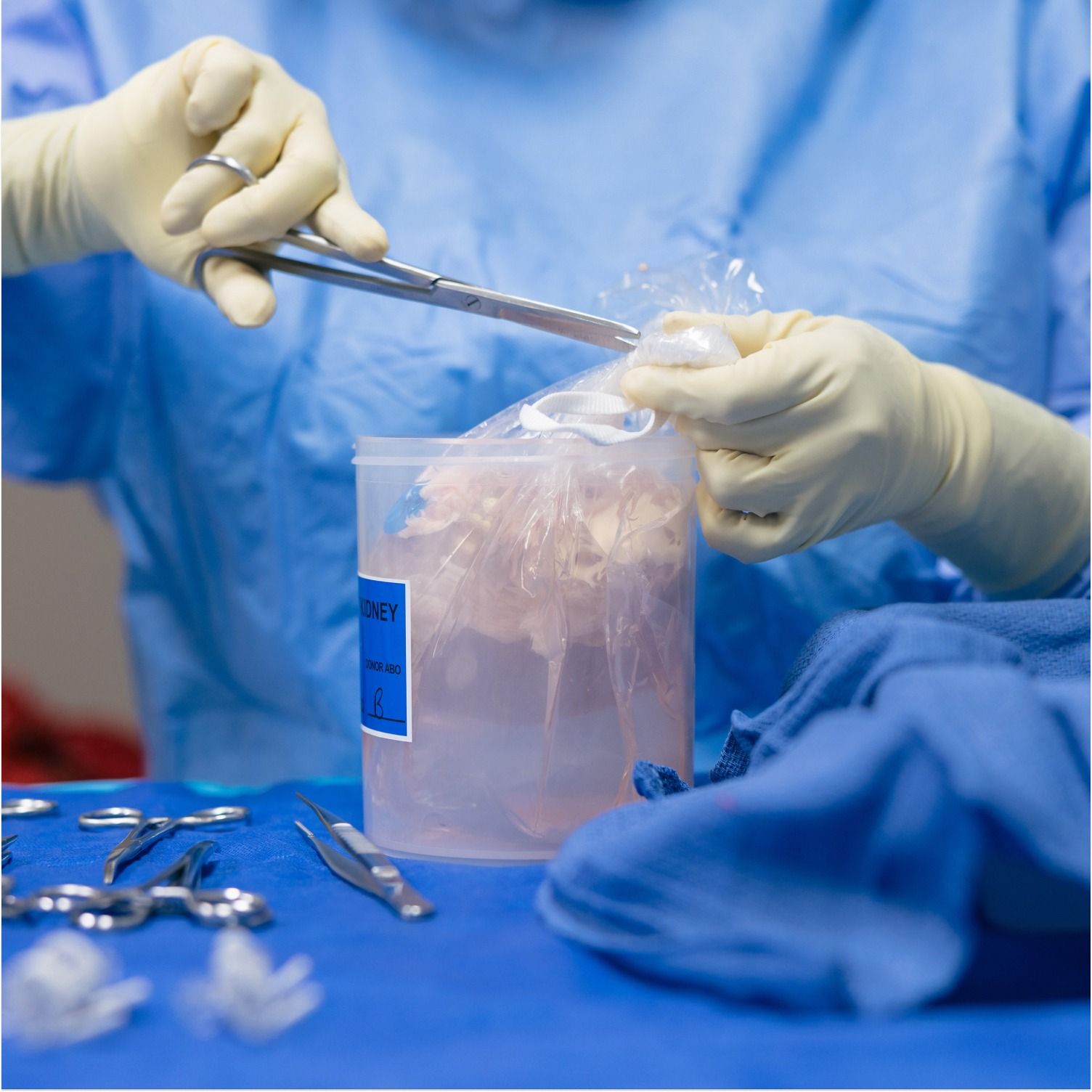
Photo: Alyssa Schukar for The New York Times
Unlock full access to New York Times podcasts and explore everything from politics to pop culture. Subscribe today at nytimes.com/podcasts or on Apple Podcasts and Spotify.