

🤖 AI Summary
Overview
This episode explores the economic implications of a potential oil export ban, the evolving communication style of the Federal Reserve under Chair Warsh, and the impact of CEO confidence on the economy. It also delves into the FIRE movement's redefinition of work-life balance and USC's ambitious investment in AI research.
Notable Quotes
- The committee will deliver price stability.
– Martha Olney, on the declarative yet vague language of Fed Chair Warsh's statements.
- This whole idea that we should devote everything to our jobs comes from a time when companies kind of did care about you. That social contract doesn’t exist anymore.
– Aki Ito, on the shifting relationship between workers and employers.
- There are very few times when you get these massive disruptive technologies, and an entirely new set of innovative ideas can be harnessed.
– Gaurav Sukhatme, on the transformative potential of AI in higher education.
🛢️ The Debate Over an Oil Export Ban
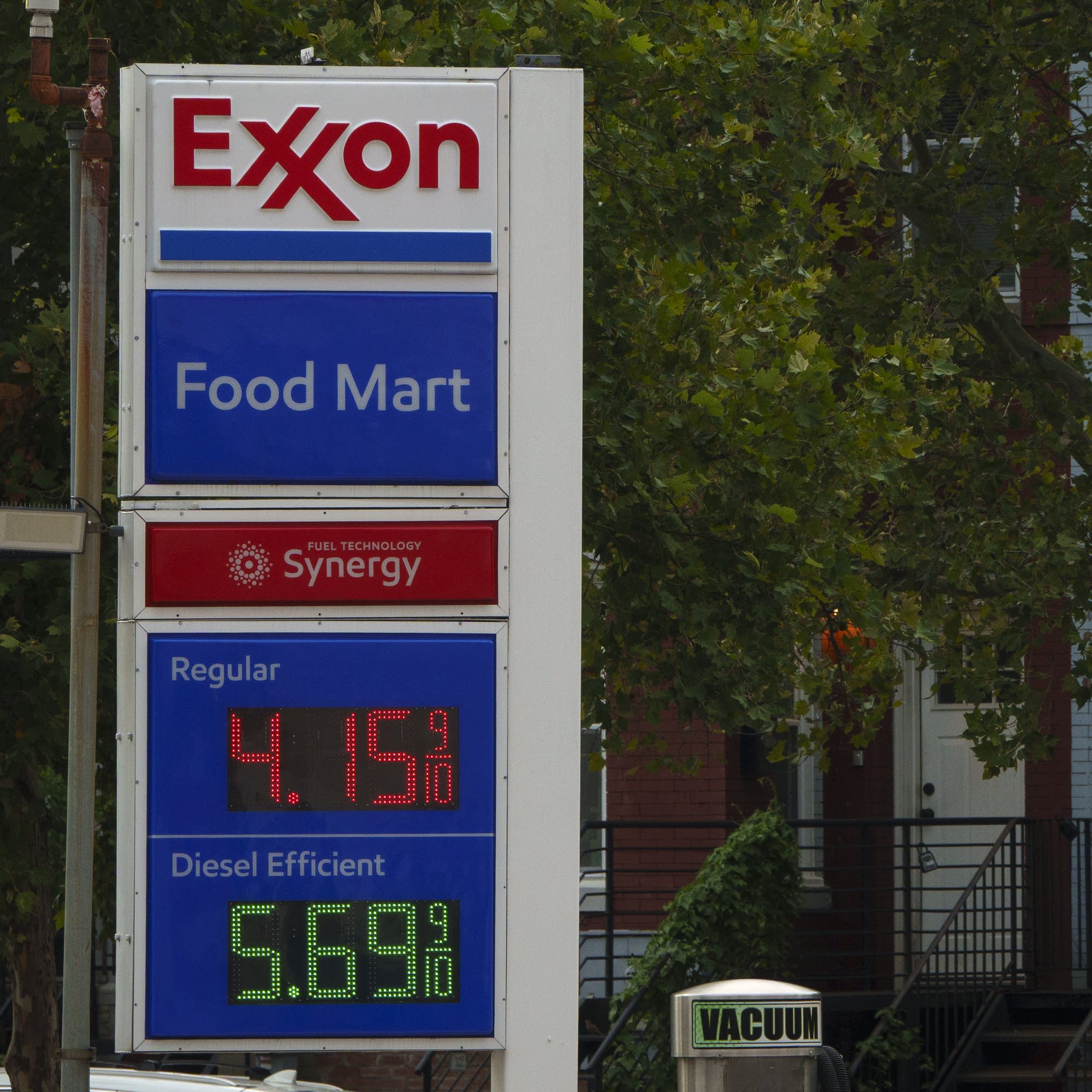
- The U.S. oil industry is lobbying against a rumored export ban, fearing it could harm domestic production and refinery economics (Elizabeth Trovall).
- Experts like Jason Bordoff argue that while a ban might temporarily lower prices for consumers, it would ultimately lead to reduced supply and higher prices.
- The historical context of the 1970s oil embargo and the 2015 lifting of the export ban highlights how U.S. oil policy has evolved to support global market integration.
📜 Federal Reserve: Warsh vs. Powell
- Fed Chair Warsh's statements are shorter, more declarative, and lack the forward guidance typical of Powell's tenure, making them harder to interpret for future monetary policy (Martha Olney).
- Warsh's approach reflects a shift in priorities, emphasizing immediate decisions over long-term economic signals.
- The lack of forward guidance has left analysts and the public uncertain about the Fed's future actions, which could impact financial markets and consumer confidence.
📉 CEO Confidence and Economic Uncertainty
- CEOs are grappling with ongoing economic shocks, including tariffs, geopolitical tensions, and supply chain disruptions (Samantha Fields).
- Low confidence among business leaders is stalling investments, hiring, and growth, which has ripple effects on the broader economy.
- The uncertainty is particularly challenging for smaller businesses, which struggle to plan amid fluctuating costs and market instability.
🔥 The FIRE Movement: Redefining Work and Freedom
- The Financial Independence Retire Early (FIRE) movement has grown beyond its tech-worker roots, offering a path to financial freedom and a reimagined relationship with work (Aki Ito).
- Many FIRE adherents continue working after achieving financial independence, often shifting to more meaningful or less stressful roles.
- The movement critiques the outdated social contract between employers and employees, emphasizing personal autonomy over corporate loyalty.
🤖 USC’s $200 Million AI Initiative
- USC is investing heavily in AI research, creating new programs that integrate AI across disciplines like art, history, and clinical sciences (Megan McCarty Carino).
- Projects include using AI to detect animal smuggling hotspots and studying human vocalization to aid cancer patients.
- The initiative aims to balance rapid technological advancements with ethical considerations, keeping humans at the center of AI development.
AI-generated content may not be accurate or complete and should not be relied upon as a sole source of truth.
📋 Episode Description
As high gas costs pile up for drivers, Big Oil is getting jumpy. That’s because one way to bring prices down, at least temporarily, is an oil export ban. The Trump administration hasn’t signaled support for such a ban, but oil firms are being proactive, by lobbying the White House to find alternatives. Also in this episode: CEOs are sour on this economy, a major university invests big in artificial intelligence, and we analyze the difference between Fed Chair Warsh and former Fed Chair Powell’s public statements.
Every story has an economic angle. Want some in your inbox? Subscribe to our daily or weekly newsletter.
Marketplace is more than a radio show. Check out our original reporting and financial literacy content at marketplace.org — and consider making an investment in our future.
Read the stories in today’s episode: