

🤖 AI Summary
Overview
This episode explores how economic pressures are shaping consumer behavior, from the surprising resilience of organic food sales to the rise in credit card chargebacks. It also delves into inflation forecasts, the impact of diesel price hikes, and efforts to revitalize Maine's lobster industry.
Notable Quotes
- I'm going to do just a little bit of fraud as a treat.
– Amanda Mull, on the mindset behind rising chargeback fraud.
- Organic is kind of seeing conventional side inflate while those aren't particularly impacting them.
– Tom Chapman, on why organic producers are weathering inflation better.
- The barriers to entry have increased so much, anywhere from licenses to boats to gear.
– Roger Woodman, on the challenges facing Maine's lobster industry.
🛒 Inflation and Consumer Behavior
- Inflation, as measured by the Personal Consumption Expenditures Price Index, dropped to 3.7% in June, but economists warn it will take time to reach the Federal Reserve's 2% target. (Nova Safo)
- The Atlanta Fed's sticky price CPI
predicts inflation at 2.8% in the long term, but its reliability is questioned due to past overestimations. (Kathy Bosjancic, Michael Pearce)
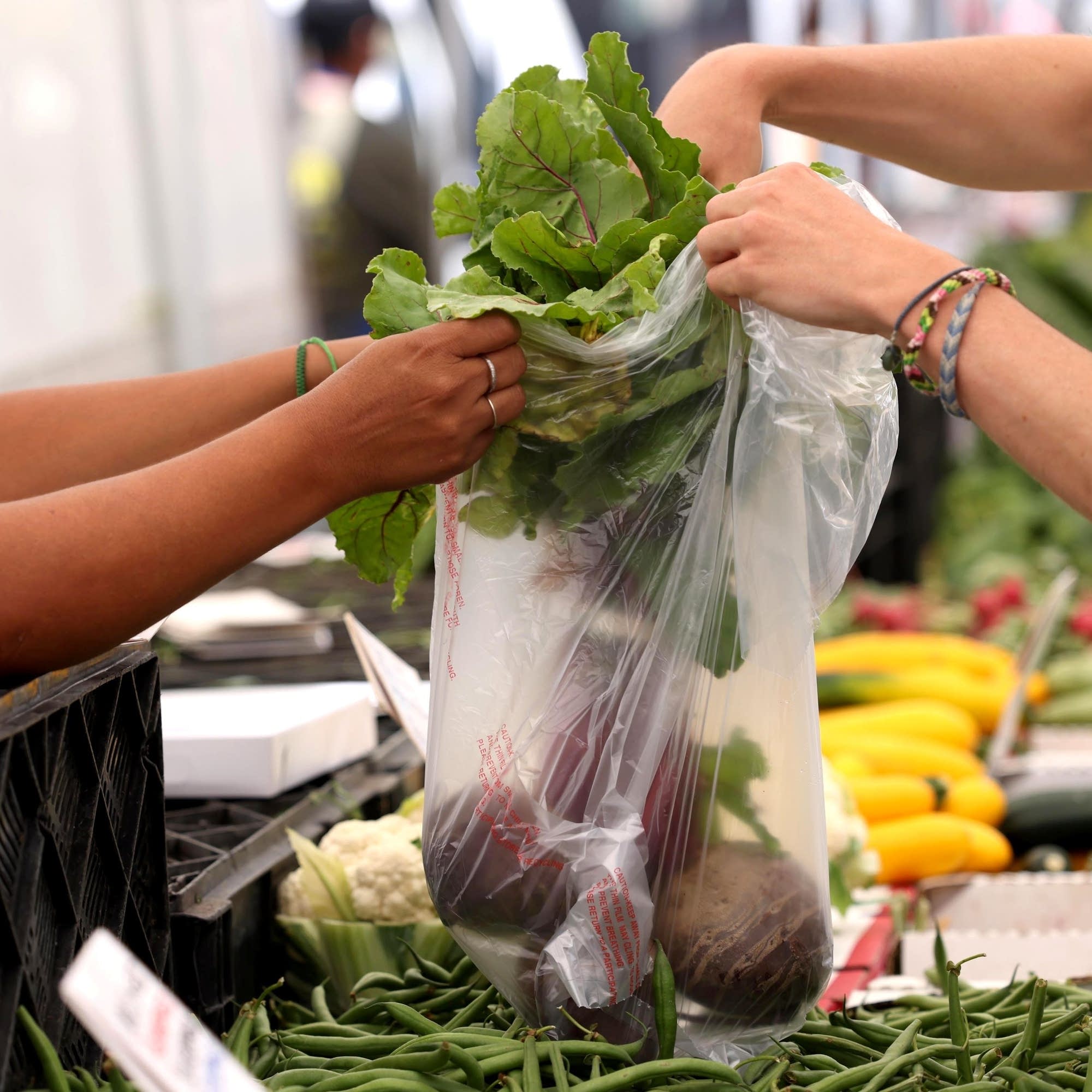
- Despite a 26% rise in grocery prices since 2020, consumers are increasingly purchasing organic products, with the organic market growing three times faster than the overall food market. (Mitchell Hartman)
🌱 The Organic Food Boom
- Organic food sales are thriving, even as prices for organic products are 20-100% higher than conventional options.
- Lower-income consumers are increasing their organic spending at the fastest rate, prioritizing health and values. (Scott Dicker)
- The rise of private-label organic products and expanded availability at retailers like Walmart and Costco are narrowing the price gap. (Sherry Fry)
- Organic producers benefit from lower reliance on petrochemical inputs, making them less vulnerable to inflationary pressures. (Tom Chapman)
💳 The Rise of Chargebacks
- Chargebacks have surged 29% in the U.S. since 2021, driven by both friendly fraud
(unintentional disputes) and deliberate misuse, particularly among younger consumers. (Amanda Mull)
- Businesses face significant financial burdens from chargebacks, often paying fees even for fraudulent claims.
- The trend reflects growing consumer frustration with rising prices, poor customer service, and distrust of businesses.
⛽ Diesel Prices and Economic Impact
- Diesel prices have soared to $5.34 per gallon, nearing record highs, due to geopolitical tensions, including conflicts in the Middle East and Ukraine. (Elizabeth Troval)
- Diesel's price hikes have a ripple effect on the economy, increasing costs for transportation, agriculture, and goods. (Tom Kloza, Ed Hirs)
🦞 Revitalizing Maine’s Lobster Industry
- Maine's lobster industry faces challenges as its workforce ages and barriers to entry, like licensing and equipment costs, rise. (Roger Woodman)
- The Lift All Boats
program introduces young people to lobstering, offering a pathway to obtain commercial licenses. (Ben Conniff)
- Participants, like 18-year-old Janelle Anastasio, are discovering a passion for the work, despite its physical demands and male-dominated culture.
AI-generated content may not be accurate or complete and should not be relied upon as a sole source of truth.
📋 Episode Description
Since 2020, the cost of groceries has risen 26%. But contrary to what you might think, cash-strapped consumers aren’t necessarily staying away from pricier options. In this episode, why Americans are doubling down on organic — even as the cost of their overall grocery haul rises. Plus: Why more customers are choosing chargebacks, what economists predict about inflation two years from now, and how a Maine nonprofit is bringing lobstering to the next generation.
Every story has an economic angle. Want some in your inbox? Subscribe to our daily or weekly newsletter.
Marketplace is more than a radio show. Check out our original reporting and financial literacy content at marketplace.org — and consider making an investment in our future.
Read the stories in today’s episode:
- The Fed doesn't have an inflation crystal ball, but it does have "sticky-price CPI"
- In spite of price hike fatigue, consumers are still snapping up organic foods
- Credit card chargebacks are on the rise — part of the reason is fraud
- Multiple wars drive up the price of diesel
- "Never would have expected to be here": Young Mainers consider the lobster