

🤖 AI Summary
Overview
This episode explores the persistent decline in U.S. manufacturing employment, driven by factors like a weak housing market and unpredictable tariff policies. It also examines the diminishing role of resumes in hiring, the historical and current economics of food costs, and the impact of a sparse snow season on Colorado's weather-dependent businesses.
Notable Quotes
- We lost over 25% of our manufacturing during that recession.
– Jason Miller, on the lasting impact of the 2008-2009 financial crisis on U.S. manufacturing.
- It's not just an interview process now. It might be anywhere from a couple of days to a couple of weeks that they want to see if you can really do the work.
– Amanda Hoover, on the rise of paid work trials replacing traditional resumes.
- American farm productivity has just exploded... One farmer is feeding nearly 170 people today.
– Brian Walsh, on the economic forces behind declining food costs as a share of income.
🛠️ Decline in Manufacturing Employment
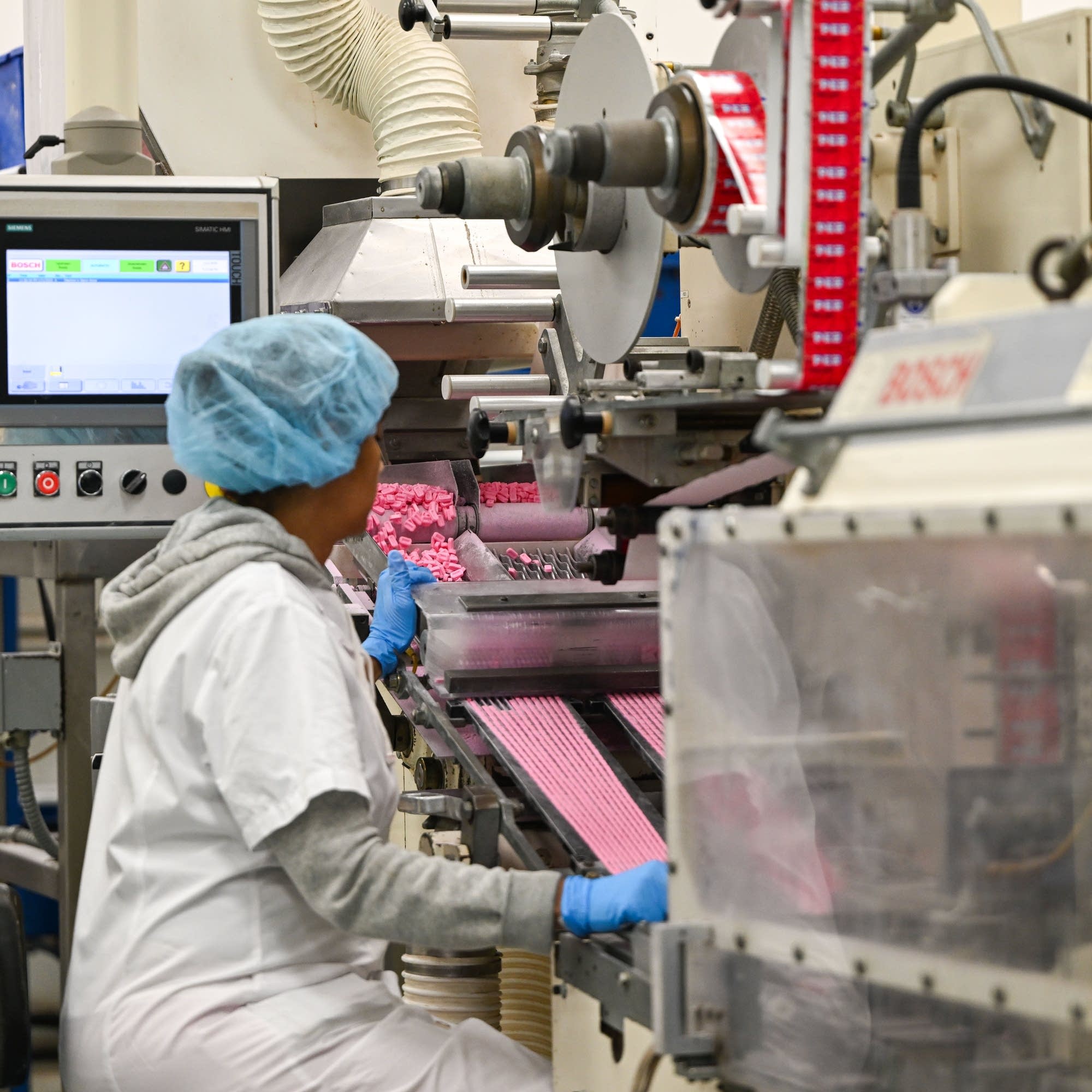
- Manufacturing jobs have been steadily declining since 2023, with over 90,000 jobs lost in 2025 alone.
- Jason Miller from Michigan State University attributes this to:
- A weak single-family housing market, which reduces demand for industries like sawmills and furniture manufacturing.
- Tariffs that increase input costs and create uncertainty, making it difficult for manufacturers to plan and hire.
- Susan Spence of the Institute for Supply Management highlights that manufacturers are hesitant to hire due to inconsistent customer orders and unpredictable tariff policies.
📄 The Changing Role of Resumes in Hiring
- Resumes are becoming less relevant, especially in tech and other industries, as recruiters increasingly rely on LinkedIn and professional networks to source candidates.
- AI-generated resumes and cover letters have overwhelmed recruiters, leading to alternative hiring methods like:
- Direct skill assessments.
- Paid work trials lasting days or weeks to evaluate candidates' abilities.
- While these methods aim to reduce bias and improve hiring, Amanda Hoover notes they may disadvantage those unfamiliar with evolving job market trends.
🍎 Food Costs and Economic Progress
- Americans now spend just 10.4% of their disposable income on food, down from 42.5% in 1901, thanks to advancements in farming productivity and economic growth.
- Brian Walsh explains that while food prices have risen 24% since 2020, wages have also increased, making food more affordable relative to income.
- However, lower-income families and poorer nations still spend a significant portion of their income on food, highlighting disparities.
❄️ Sparse Snowfall and Economic Ripples in Colorado
- A lack of snow in Colorado has significantly impacted weather-dependent businesses:
- Car washes, like Matt Fisher’s Green Car Wash, have seen a 10% revenue drop due to fewer dirty cars.
- Snow removal services, such as Bear Creek Tree Service, report a 70% decline in business, forcing operational cutbacks.
- Summer rafting companies anticipate shorter seasons due to reduced snowmelt, potentially losing over 50% of peak-season revenue.
- Broader economic effects include reduced tourism and lower revenue for mountain town businesses like restaurants and attractions.
📈 Economic Data Highlights
- Oil prices hit their highest levels since July 2024, with U.S. crude surpassing $80 per barrel.
- Kroger exceeded earnings expectations, leveraging AI to enhance customer experience and productivity, while competitors like Walmart and Costco saw declines.
AI-generated content may not be accurate or complete and should not be relied upon as a sole source of truth.
📋 Episode Description
The February jobs report isn’t out until Friday. Still, experts are all but certain the manufacturing sector will have lost jobs compared to last year. In this episode, a weak single-family housing market and chaotic tariff policy prevent U.S. manufacturers from bouncing back. Plus: Hiring managers don’t trust resumes in the era of AI, Americans are spending less of their income on food than ever before, and a sparse snow season in Colorado stresses all sorts of businesses.
Every story has an economic angle. Want some in your inbox? Subscribe to our daily or weekly newsletter.
Marketplace is more than a radio show. Check out our original reporting and financial literacy content at marketplace.org — and consider making an investment in our future.