

🤖 AI Summary
Overview
This episode examines the controversial U.S.-Iran peace deal brokered by the Trump administration to end the war and reopen the Strait of Hormuz. While the agreement was initially celebrated for halting hostilities, its terms have sparked criticism for favoring Iran economically and geopolitically, leaving many of the toughest issues unresolved.
Notable Quotes
- History demonstrates that giving billions of dollars to theocratic lunatics who want to murder us is an exceptionally bad idea.
– Vice President Vance, on the risks of financial concessions to Iran.
- Diluting it is not the same as destroying it... there’s always the risk that later on they could re-enrich it.
– David E. Sanger, on the limitations of Iran’s nuclear commitments in the deal.
- In this competition... it turns out it was the United States that needed a way out.
– David E. Sanger, on the U.S.'s strategic retreat from the conflict.
🛑 The U.S.-Iran Peace Deal: Key Provisions and Criticism
- The deal includes a 60-day ceasefire and a temporary reopening of the Strait of Hormuz, but leaves critical issues like Iran’s nuclear program and missile development unresolved.
- Iran reaffirmed its commitment not to develop nuclear weapons, a promise it has made in past agreements, but no verifiable dismantling of its nuclear infrastructure is required.
- Unlike the Obama-era deal, this agreement lacks detailed provisions for inspections or material removal, raising concerns about Iran’s ability to re-enrich uranium.
- Critics, including lawmakers from both parties, argue the deal is a significant concession to Iran, with Senator Bill Cassidy calling it the worst foreign policy blunder in decades.
💰 Economic Wins for Iran
- The agreement lifts the U.S. blockade on Iranian oil exports, allowing immediate revenue generation.
- Iran gains access to $24-25 billion in frozen assets, with no restrictions on how the funds are spent.
- A proposed $300 billion economic development fund for Iran, potentially financed by Gulf allies, has raised concerns about corruption and misuse.
- Critics highlight the lack of safeguards to prevent funds from being funneled to groups like Hezbollah or Hamas.
🌍 Geopolitical Implications
- The deal includes a permanent termination of military operations,
which could limit Israel’s ability to counter threats from Hezbollah.
- There is no mention of Iran’s missile program or its funding of militant groups, key concerns for U.S. allies like Israel.
- The agreement implicitly acknowledges Iran and Oman’s sovereignty over the Strait of Hormuz, potentially allowing future tolls or restrictions on passage.
📉 U.S. Strategic Retreat and Political Calculations
- President Trump prioritized ending the war to avoid economic fallout, citing fears of a recession and political damage ahead of midterm elections.
- The administration’s reliance on future negotiations to address unresolved issues has drawn skepticism, with critics doubting Iran’s willingness to comply.
- The deal has strained U.S.-Israel relations, with Israeli leaders feeling sidelined and vulnerable to increased Iranian influence in the region.
⚖️ Who Benefits?
- While Iran’s economy and geopolitical standing are poised to recover, its internal challenges and history of mismanagement could limit long-term gains.
- The U.S. achieved short-term economic stability but failed to secure its original objectives, leaving its allies and critics questioning the deal’s efficacy.
AI-generated content may not be accurate or complete and should not be relied upon as a sole source of truth.
📋 Episode Description
After three months of war, Iran and the United States have agreed to end the conflict and reopen the Strait of Hormuz. The news, which was first met with joy and relief, drew a wave of criticism when the actual terms of the agreement became public this week.
David Sanger, a White House and national security correspondent for The New York Times, explains how the Trump administration has defended the deal, which seems to favor Iran.
Guest: David E. Sanger, a White House and national security correspondent for The New York Times.
Background reading:
- The U.S.-Iran deal, which left many of the toughest issues to future negotiations, came after a last-minute scramble.
- President Trump lashed out at critics of the agreement and threatened to bomb Iran again if it violated the deal.
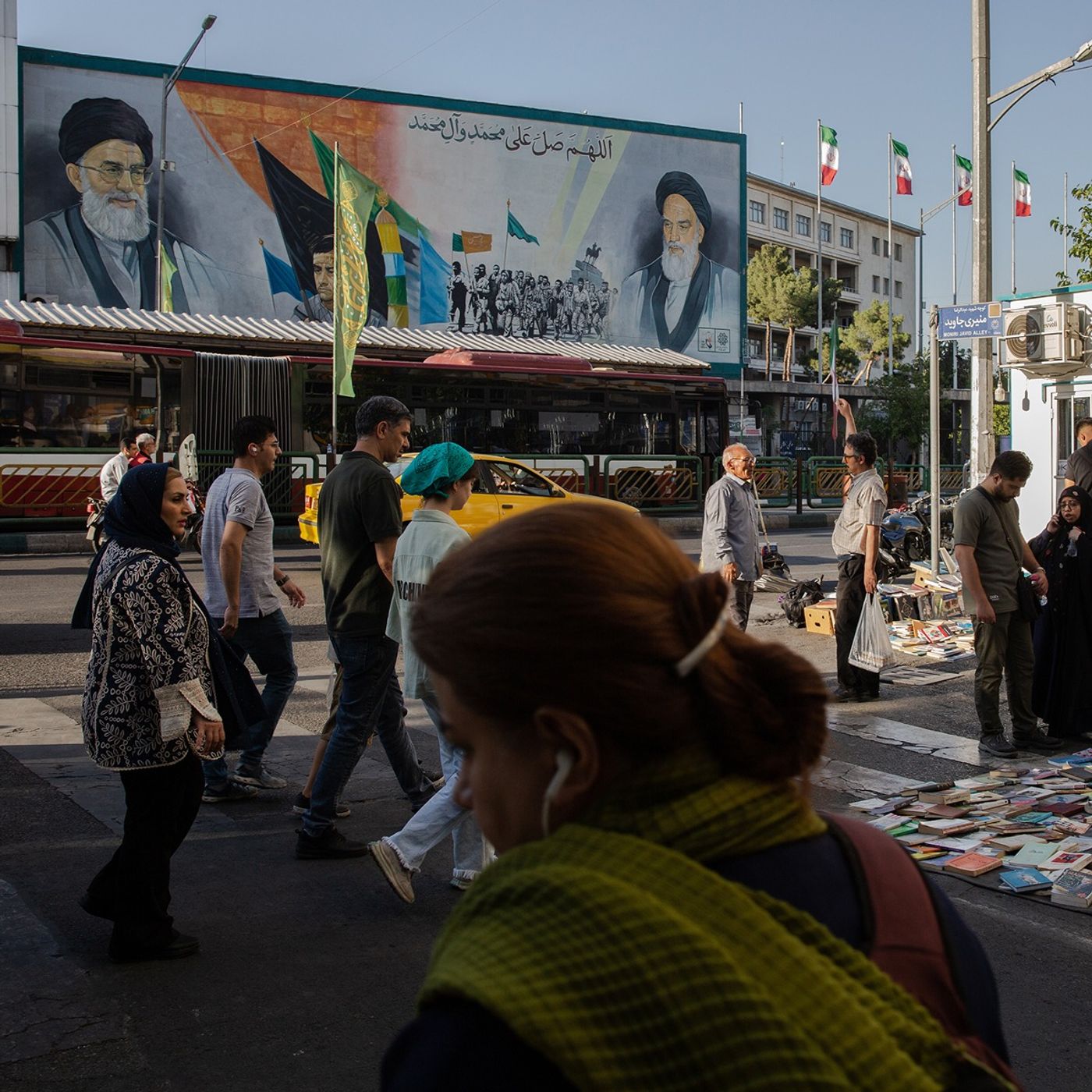
Photo: Arash Khamooshi/Polaris for The New York Times
For more information on today’s episode, visit nytimes.com/thedaily. Transcripts of each episode will be made available by the next workday.
Subscribe today at nytimes.com/podcasts or on Apple Podcasts and Spotify. You can also subscribe via your favorite podcast app here https://www.nytimes.com/activate-access/audio?source=podcatcher. For more podcasts and narrated articles, download The New York Times app at nytimes.com/app.
Hosted by Simplecast, an AdsWizz company. See pcm.adswizz.com for information about our collection and use of personal data for advertising.