

🤖 AI Summary
Overview
This episode delves into President Trump's approach to the ongoing war with Iran, the challenges in peace negotiations, and the broader political implications for his administration and the Republican Party. Maggie Haberman and Jonathan Swan provide insights from their reporting, including Trump's decision-making process, his fixation on legacy, and the fractures emerging within the Republican coalition.
Notable Quotes
- Trump is someone who is used to authoring his own reality... but there are certain events that defy that, and this war is one of them.
– Jonathan Swan, on Trump's struggle to control the narrative around the Iran conflict.
- The president would like to be done with this. He wants to move on to other things, and he prizes control of his environment.
– Maggie Haberman, on Trump's impatience with the stalled negotiations.
- Donald Trump has won his great victory—the 2024 election. Everything else, including the midterms, is small ball compared to his focus on legacy.
– Jonathan Swan, on Trump's mindset in his second term.
🛑 The Stalemate in Iran Negotiations
- Trump is frustrated by the lack of progress in peace talks with Iran, citing unclear communication channels within the Iranian leadership and their apparent lack of trust in U.S. intentions (Jonathan Swan).
- The U.S. faces military constraints, particularly in long-range strike capabilities, which complicates Trump's threats of escalation.
- Trump's team is divided on how to proceed, with some advisors advocating for quick resolutions to align with the president's desire to move on.
📜 Trump's Historical Fixation on Iran
- Trump's hardline stance on Iran is deeply rooted in his formative political experiences, particularly the 1979 hostage crisis, which shaped his disdain for the regime (Maggie Haberman).
- Despite public perceptions, Trump entered the war with a clear understanding of its risks, influenced by his long-standing views rather than external advisors like Netanyahu.
- His decision to strike General Soleimani in 2020 was a pivotal moment, reinforcing his aggressive posture toward Iran.
⚖️ The Shadow of the JCPOA
- Trump is determined to avoid any deal resembling the Obama-era JCPOA, which he has long criticized as a bad deal.
- Key red lines for Trump include avoiding cash payments to Iran and ensuring any agreement has stricter, longer-lasting restrictions on uranium enrichment (Jonathan Swan).
- However, Iran's resilience and leverage in negotiations may force compromises that could resemble aspects of the JCPOA, a politically sensitive outcome for Trump.
📉 Political Fallout and Midterm Implications
- The war has damaged Trump's approval ratings, particularly among independents, and fractured his once-unified Republican coalition.
- Rising gas prices and controversial domestic policies, such as immigration crackdowns, further complicate the GOP's midterm prospects.
- Trump appears disengaged from the midterms, focusing instead on cementing his legacy as a great man of history
through bold foreign policy moves and symbolic projects (Jonathan Swan).
💥 Fractures in the Republican Coalition
- Prominent conservative figures, including Marjorie Taylor Greene and Tucker Carlson, have criticized Trump's handling of the war, signaling cracks in his MAGA base.
- The coalition that propelled Trump to victory in 2024 is unraveling, with disaffected voters and ideological divisions surfacing (Jonathan Swan).
- Despite these challenges, Trump remains the central figure of the Republican Party, with most GOP leaders unable to distance themselves from him until his term ends (Maggie Haberman).
AI-generated content may not be accurate or complete and should not be relied upon as a sole source of truth.
📋 Episode Description
On Tuesday, President Trump extended the cease-fire with Iran that had been about to expire, even as a second round of negotiations with Iran was paused.
Maggie Haberman and Jonathan Swan, New York Times reporters who cover the White House, discuss how the president is thinking about the war, and the political fallout for his party.
Guest:
- Maggie Haberman, a White House correspondent for The New York Times.
- Jonathan Swan, a White House reporter for The New York Times.
Background reading:
- Mr. Trump extended the cease-fire with Iran this week, even as Vice President JD Vance postponed his trip for negotiations.
- Here’s a look back at how Mr. Trump decided to enter the war.
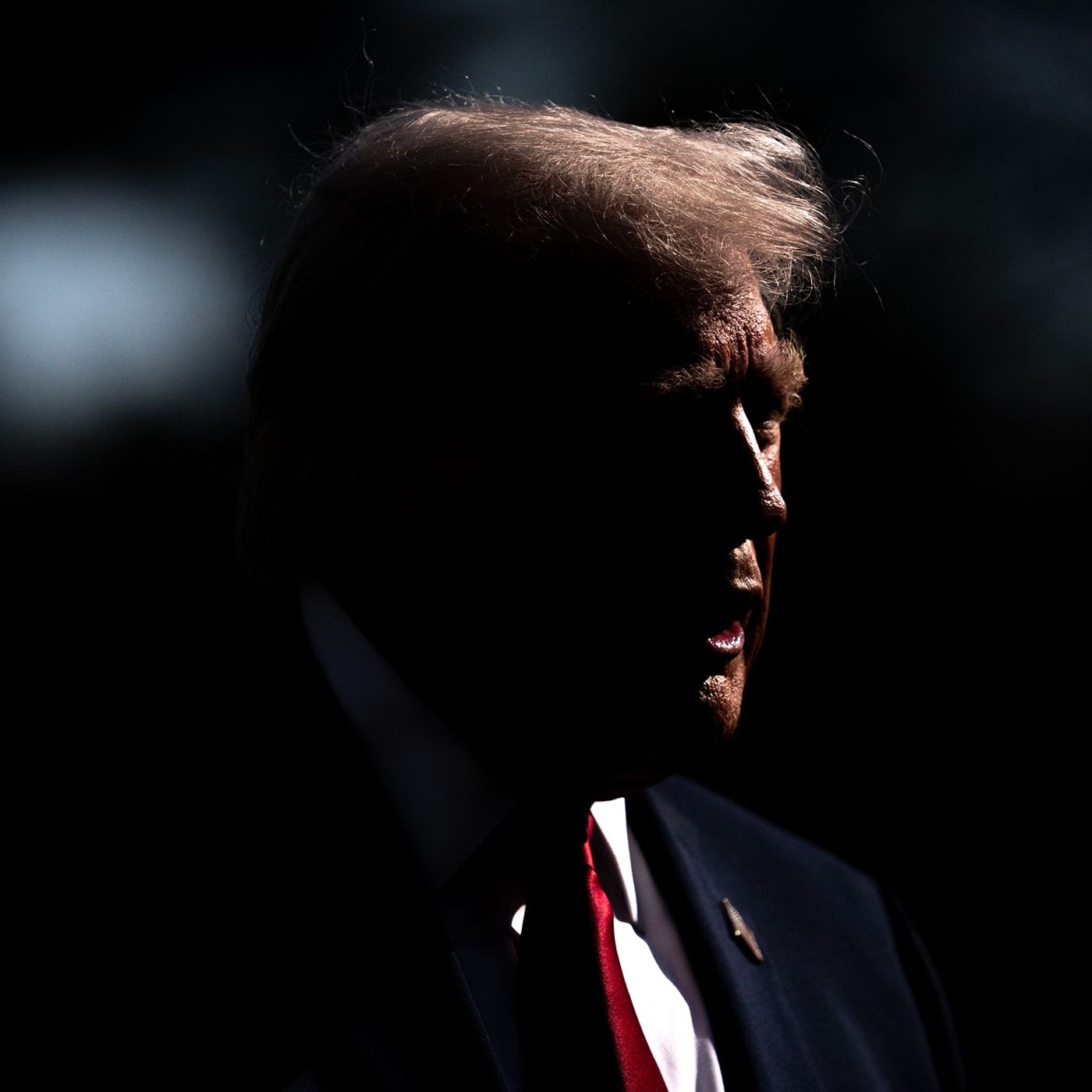
Photo: Nathan Howard for The New York Times
For more information on today’s episode, visit nytimes.com/thedaily. Transcripts of each episode will be made available by the next workday.
Subscribe today at nytimes.com/podcasts or on Apple Podcasts and Spotify. You can also subscribe via your favorite podcast app here https://www.nytimes.com/activate-access/audio?source=podcatcher. For more podcasts and narrated articles, download The New York Times app at nytimes.com/app.
Hosted by Simplecast, an AdsWizz company. See pcm.adswizz.com for information about our collection and use of personal data for advertising.