

🤖 AI Summary
Overview
The episode delves into the Trump administration's unprecedented decision to launch a criminal investigation into Federal Reserve Chairman Jerome Powell, exploring the political motivations behind it, the backlash it triggered, and how it ultimately strengthened Powell's position and the Fed's independence.
Notable Quotes
- This is about whether the Fed will be able to continue to set interest rates based on evidence and economic conditions, or whether instead monetary policy will be directed by political pressure or intimidation.
– Jerome Powell, addressing the investigation's implications.
- The paradox here is Trump may have lost a significant amount of his authority over the American economy by trying to assert dominance over these institutions.
– Glenn Thrush, on the unintended consequences of the investigation.
- In trying to weaken the Fed, the president and the administration only made it stronger.
– Colby Smith, on the investigation's impact on the Fed's independence.
🕵️♂️ Trump’s Pressure Campaign Against Powell
- Trump repeatedly pressured Powell to lower interest rates, citing economic concerns like inflation and a weakening labor market.
- The conflict escalated when Trump seized on cost overruns in a $2.5 billion renovation project at the Fed's headquarters, accusing Powell of incompetence or potential fraud.
- The Justice Department, under Trump’s influence, initiated a criminal investigation into Powell, leveraging the renovation controversy as a pretext.
⚖️ The Role of Jeanine Pirro and DOJ Dynamics
- Jeanine Pirro, U.S. Attorney for D.C. and a Trump ally, spearheaded the investigation after reading Trump-friendly media reports on the renovation costs.
- Pirro's office initially sent polite letters to the Fed requesting information, but after pressure from Trump, escalated to issuing subpoenas.
- The investigation was perceived as part of a broader pattern of using the Justice Department to intimidate political adversaries.
🎥 Powell’s Defiant Response
- Powell broke his usual silence with a public video statement, condemning the investigation as a politically motivated attack on the Fed's independence.
- His response galvanized bipartisan support, with Republican lawmakers and Trump allies criticizing the administration's actions.
- Powell’s statement highlighted the importance of the Fed's autonomy in maintaining economic stability and market confidence.
📉 Political and Economic Fallout
- The investigation backfired, with key Republican senators, like Tom Tillis, threatening to block Trump’s Fed nominations in protest.
- Wall Street remained relatively calm, reassured by the strong defense of the Fed's independence from lawmakers and Powell himself.
- The controversy may have inadvertently strengthened Powell’s position, with the possibility of him staying on as a Fed governor beyond his term as chair.
🏛️ Broader Implications for Trump’s Authority
- The episode underscores the limits of Trump’s influence, particularly when his actions threaten economic stability.
- The backlash revealed the institutional resilience of the Federal Reserve, designed to withstand executive overreach.
- Analysts suggest this could mark a turning point in Trump’s ability to exert control over independent institutions, highlighting the risks of overreach in a second-term presidency.
AI-generated content may not be accurate or complete and should not be relied upon as a sole source of truth.
📋 Episode Description
The Trump administration’s decision to open a criminal investigation into the Federal Reserve chairman, Jerome H. Powell, has stunned the worlds of business and politics.
Colby Smith and Glenn Thrush, who have been covering the news, discuss how the investigation came about, the panic it unleashed and why it might have made the Fed chair stronger than ever.
Guest:
- Colby Smith, a New York Times reporter covering the Federal Reserve and the U.S. economy.
- Glenn Thrush, who reports on the Justice Department for The New York Times.
Background reading:
- Blowback builds over the criminal investigation of Mr. Powell.
- Here’s what to know about the criminal investigation of Mr. Powell.
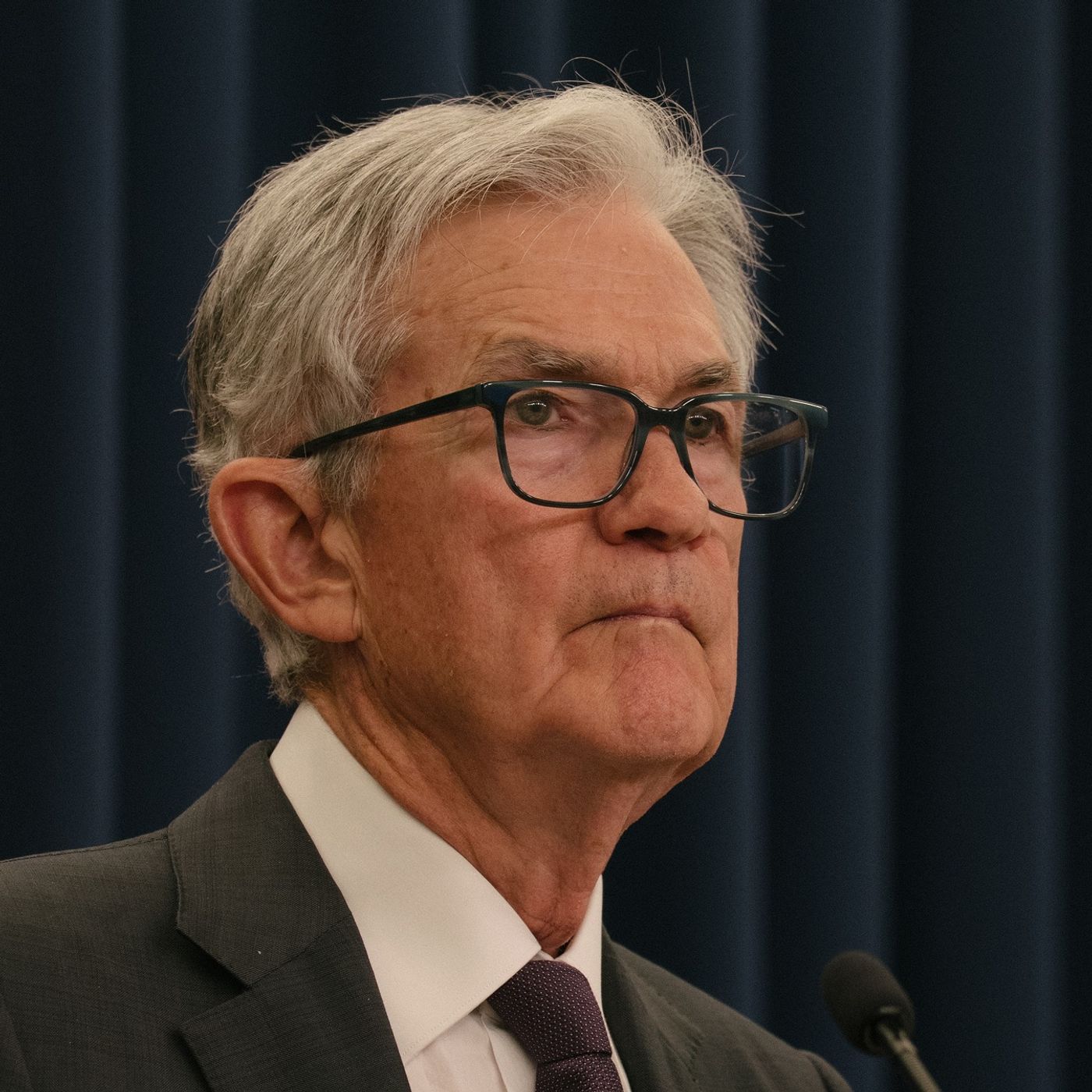
Photo: Caroline Gutman for The New York Times
For more information on today’s episode, visit nytimes.com/thedaily. Transcripts of each episode will be made available by the next workday.
Subscribe today at nytimes.com/podcasts or on Apple Podcasts and Spotify. You can also subscribe via your favorite podcast app here https://www.nytimes.com/activate-access/audio?source=podcatcher. For more podcasts and narrated articles, download The New York Times app at nytimes.com/app.