
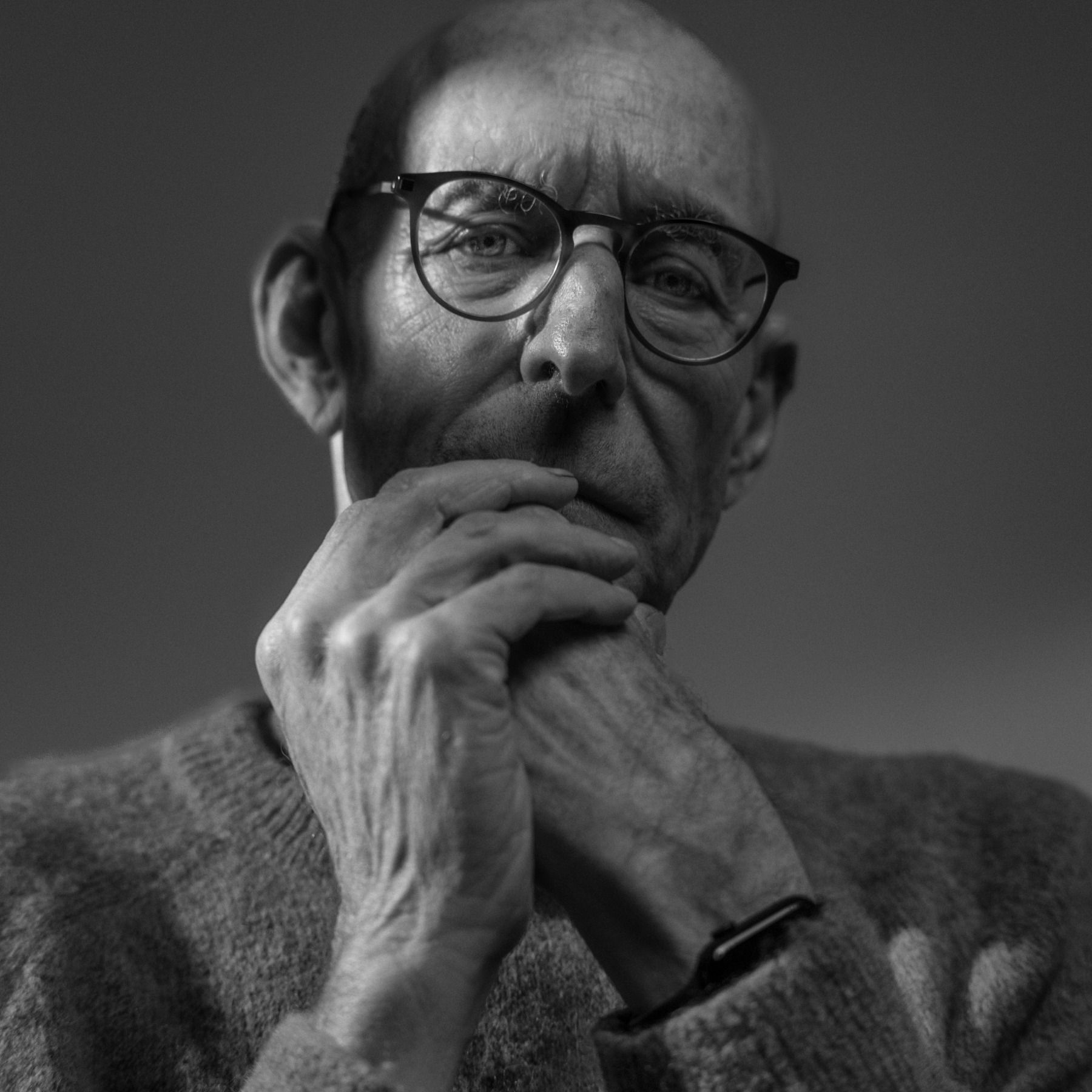
'The Interview': Michael Pollan Says Humanity Is About to Undergo a Revolutionary Change

🤖 AI Summary
Overview
Michael Pollan delves into the profound questions surrounding consciousness, its origins, and its implications in the age of artificial intelligence. The conversation explores the philosophical, scientific, and ethical dimensions of consciousness, touching on topics like the hard problem,
the role of feelings, the ethics of AI, and the destabilizing nature of self-reflection. Pollan also reflects on his past work in nutrition and its intersection with contemporary movements.
Notable Quotes
- Consciousness is one of the subjects you cannot get outside of to get an objective view, because every tool we have to study it is itself a product of consciousness.
– Michael Pollan, on the challenges of studying consciousness.
- We protect our ego because we're kind of afraid if we lose it, we're dead, but we're not. It's just one voice.
– Michael Pollan, on the dissolution of self.
- Eating real food is not going to protect you from the measles.
– Michael Pollan, critiquing RFK Jr.'s approach to public health.
🧠 Defining and Exploring Consciousness
- Pollan defines consciousness as subjective experience or awareness, referencing Thomas Nagel's What Is It Like to Be a Bat?
to illustrate the concept.
- The hard problem
of consciousness, as described by philosopher David Chalmers, is the challenge of explaining how physical matter (neurons) gives rise to subjective experience.
- Pollan critiques the scientific field of consciousness, noting the lack of consensus and the limitations of current theories. He highlights the paradox of studying consciousness using tools that are themselves products of consciousness.
🤖 Consciousness and Artificial Intelligence
- Pollan expresses skepticism about AI achieving true consciousness, arguing that consciousness is rooted in feelings and embodiment, which machines lack.
- He discusses the ethical implications of AI claiming consciousness, noting that humans often fail to extend moral consideration even to conscious beings like animals.
- The Turing test, which measures a machine's ability to mimic human intelligence, is critiqued for fostering deception rather than genuine understanding of consciousness.
🌱 Expanding the Boundaries of Consciousness
- Pollan explores panpsychism, the idea that all matter has some degree of consciousness, and notes its growing acceptance among some scientists.
- He discusses the implications of recognizing consciousness in animals and even plants, questioning whether this awareness would lead to greater ethical consideration.
- The conversation touches on the interconnectedness of all living beings and the potential for consciousness to redefine humanity's relationship with the natural world.
🍴 Nutrition, Skepticism, and Public Health
- Pollan critiques RFK Jr.'s promotion of meat-heavy diets, emphasizing the environmental and health consequences of increased red meat consumption.
- He highlights the importance of skepticism in evaluating scientific claims, advising people to seek multiple perspectives and avoid overreliance on initial reports.
- Pollan reflects on the intersection of food movements and public health, warning against the dangers of rejecting scientific consensus on issues like vaccines.
🌀 The Self, Psychedelics, and the Search for Meaning
- Pollan discusses the paradox of the self: while we cling to our egos, we also seek experiences that dissolve them, such as meditation, psychedelics, and art.
- He shares personal insights from guided psychedelic experiences, emphasizing their potential to reveal deep emotional truths and foster self-transcendence.
- The conversation explores the destabilizing nature of questioning the self and consciousness, with Pollan advocating for consciousness hygiene
to protect mental well-being in a world increasingly polluted by distractions.
AI-generated content may not be accurate or complete and should not be relied upon as a sole source of truth.
📋 Episode Description
The best-selling author grapples with big questions about A.I., consciousness and the distractions polluting our minds.
- Thoughts? Email us at [email protected]
- Watch our show on YouTube: youtube.com/@TheInterviewPodcast
- For transcripts and more, visit: nytimes.com/theinterview
Subscribe today at nytimes.com/podcasts or on Apple Podcasts and Spotify. You can also subscribe via your favorite podcast app here https://www.nytimes.com/activate-access/audio?source=podcatcher. For more podcasts and narrated articles, download The New York Times app at nytimes.com/app.
Hosted by Simplecast, an AdsWizz company. See pcm.adswizz.com for information about our collection and use of personal data for advertising.