

🤖 AI Summary
Overview
This episode explores the evolving traditions of Halloween in 2026, focusing on candy trends, costume creativity, and the cultural phenomenon of oversized Halloween decorations. Experts from The New York Times share insights into how these elements reflect broader societal shifts and consumer behavior.
Notable Quotes
- The food marketers have deemed Gen Z the 'swangy and swavery generation.' Sweet and tangy, sweet and savory—it's all about flavor mashups.
- Kim Severson, on the changing candy preferences of younger generations.
- Halloween deputizes everyone as amateur cultural anthropologists. It’s a first draft of meme history.
- Luis Lucero II, on the cultural significance of Halloween costumes.
- Skelly was the ultimate social distancing Halloween decoration—you could enjoy it from far away, even during a pandemic.
- Callie Holterman, on the viral appeal of the 12-foot skeleton.
🎃 The Evolution of Halloween Candy
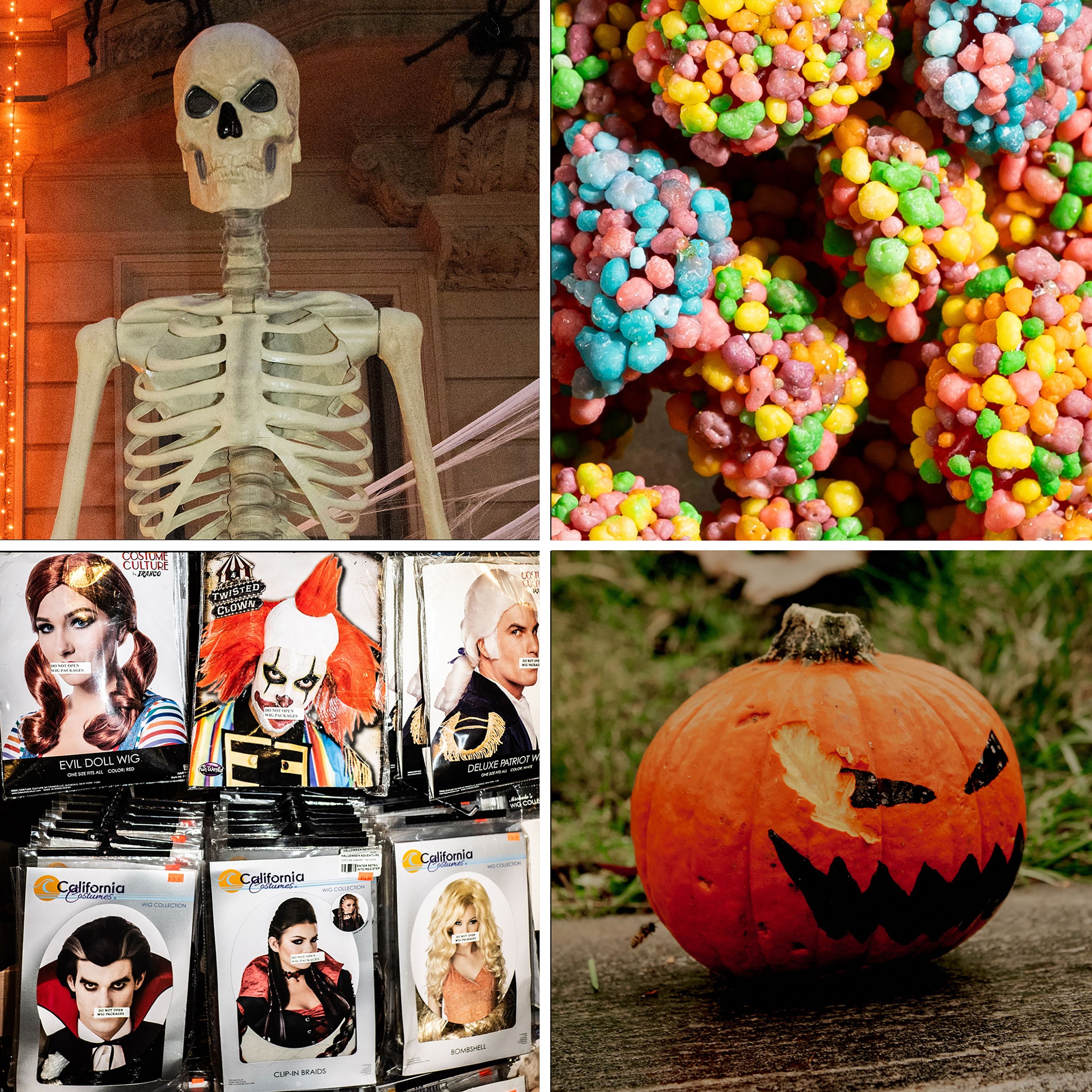
- Kim Severson highlights the rise of non-chocolate candies like Sour Patch Kids and Nerds Gummy Clusters, driven by Gen Z's preference for bold, sour, and mixed flavors.
- Viral trends, such as the sour tape challenge,
have made sour candies a cultural phenomenon.
- Economic factors are impacting candy prices, with chocolate seeing the steepest increases due to climate-related cacao shortages.
👗 Costume Trends of 2026
- Luis Lucero II describes Halloween as a reflection of the year’s cultural moments, with costumes inspired by viral memes, pop culture, and iconic figures.
- Popular predictions include Taylor Swift and Travis Kelce couple costumes, Nathan Fielder and Elizabeth Holmes pairings, and even AI-themed outfits.
- DIY and clever costumes remain popular, with Lucero emphasizing creativity over expense.
💀 The Cult of Skelly: Oversized Halloween Decorations
- Callie Holterman revisits the phenomenon of the 12-foot Home Depot skeleton, affectionately known as Skelly,
which became a viral hit in 2020.
- Skelly’s appeal lies in its versatility as a meme format and its ability to foster creativity in Halloween displays.
- Home Depot has innovated with Bluetooth-enabled Skelly models, allowing users to control lighting, movement, and even voice features.
📈 The Economics of Halloween
- Americans are projected to spend a record $13.5 billion on Halloween in 2026, driven by rising costs of candy, costumes, and decorations.
- Halloween’s appeal lies in its low-stress, inclusive nature, making it a favorite across demographics and political divides.
- Retailers have capitalized on this, turning Halloween into a major commercial event.
🦴 Advances in Skeleton Technology
- Skelly has evolved with features like servo motors for head movement and Bluetooth connectivity for interactive experiences.
- Despite its $299 price tag, demand for Skelly remains high, with some enthusiasts visiting multiple stores to secure one.
- Skelly’s enduring popularity reflects Halloween’s role as a canvas for imagination and humor.
AI-generated content may not be accurate or complete and should not be relied upon as a sole source of truth.
📋 Episode Description
Americans are expected to spend a record $13.5 billion on Halloween this year, according to the National Retail Federation. That includes costumes, decorations and lots of candy.
In this episode of “The Sunday Daily,” our host Rachel Abrams talks about these three tent poles of the Halloween season with reporters from across the Times newsroom.
Kim Severson, who covers food, tells us about the sour, peelable and texture-confused candy edging out longtime chocolate favorites. Louis Lucero II, an editor for style coverage, predicts the most popular costumes of the year. And Callie Holtermann, a reporter who covers style and pop culture, discusses the enduring joy of “Skelly,” the 12-foot-tall Home Depot skeleton with a cult following.
On Today’s Episode:
Kim Severson covers all aspects of food culture for The New York Times.
Louis Lucero II, an editor for style coverage for The New York Times.
Callie Holtermann, a reporter who writes about style, pop culture and Gen Z for The New York Times.
Background Reading:
Photo credit: The New York Times
For more information on today’s episode, visit nytimes.com/thedaily. Transcripts of each episode will be made available by the next workday.
Subscribe today at nytimes.com/podcasts or on Apple Podcasts, Spotify and Amazon Music. You can also subscribe via your favorite podcast app here https://www.nytimes.com/activate-access/audio?source=podcatcher. For more podcasts and narrated articles, download The New York Times app at nytimes.com/app.
Hosted by Simplecast, an AdsWizz company. See pcm.adswizz.com for information about our collection and use of personal data for advertising.