

🤖 AI Summary
Overview
This episode explores the economic ripple effects of the ongoing war in the Middle East, focusing on surging oil prices, inflationary pressures, and their impact on consumers, businesses, and financial markets. It also delves into challenges faced by small businesses and community banks, as well as debates around utility deregulation.
Notable Quotes
- Prices go up like a rocket and come down like a feather.
– Kristen Schwab, on the persistence of high oil prices.
- Confidence is what you feel before you really understand the problem.
– Jay Powell, Federal Reserve Chair, on economic uncertainty.
- In my best day as a regulator, I still couldn't hold a candle to the sort of forces for good that competitive markets can create.
– Kent Chandler, on the potential benefits of utility deregulation.
🛢️ Surging Oil Prices and Consumer Impact
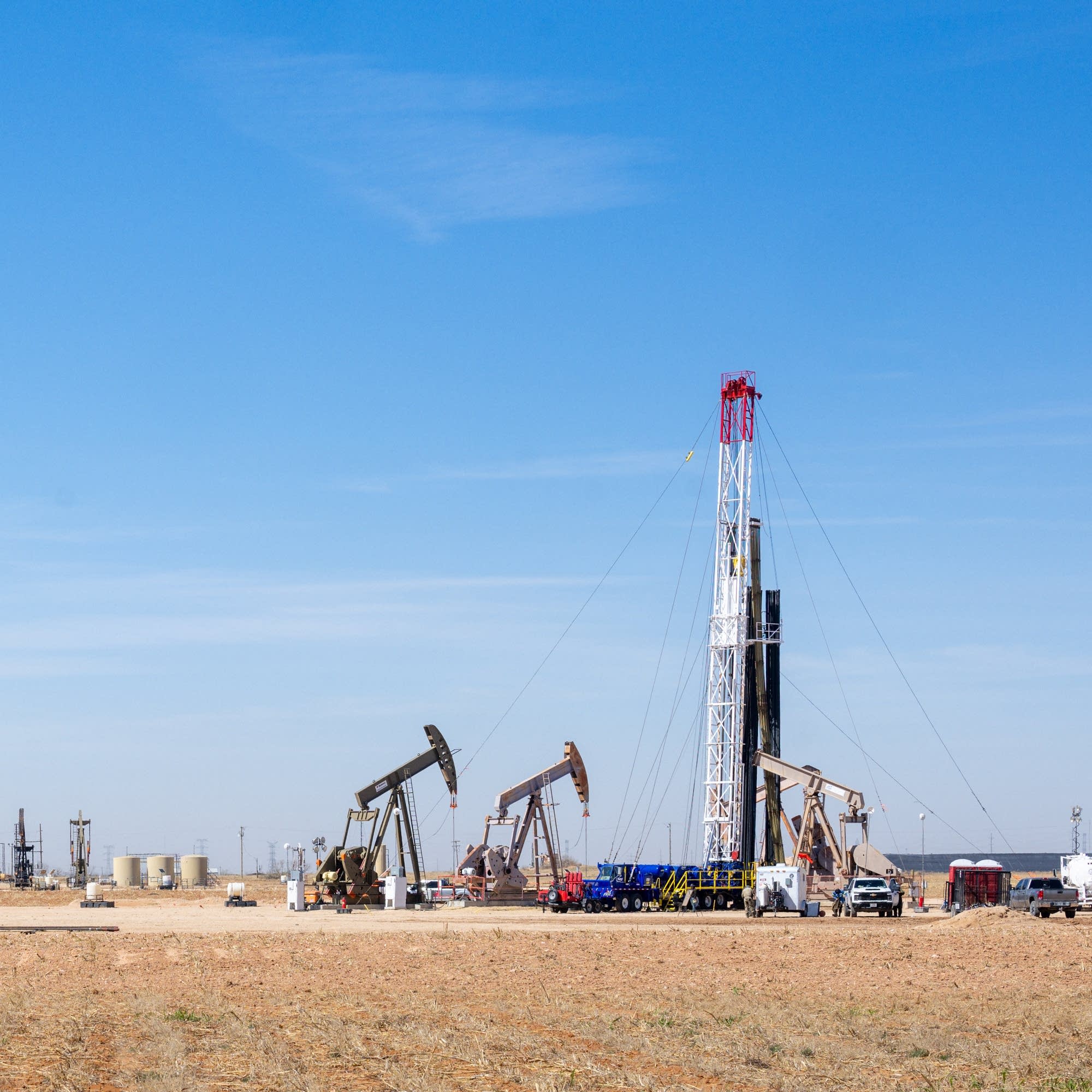
- Oil prices have skyrocketed from $60 to over $100 per barrel due to the war in the Middle East, with West Texas Intermediate crude hitting $105.
- Kristen Schwab explains that even if the conflict ends, prices will take months to stabilize due to infrastructure damage in the Persian Gulf.
- Gas prices crossing $4 per gallon could lead to demand destruction,
where consumers reduce driving and discretionary spending, according to Tom Klosa.
- Sustained oil prices above $125 per barrel could halve global GDP growth, while $150 per barrel poses severe economic risks, warns Alan Gelder.
📈 Bond Market Insights Amid Inflation Fears
- Bond yields have risen as markets grapple with inflation risks tied to high oil prices and war-related uncertainties.
- Andrea Eisfeldt notes that while inflation concerns dominate, the U.S. remains a safe haven due to its energy resources and strong dollar.
- Higher borrowing costs linked to bond yields could impact everyday Americans, from farmers managing crop prices to families juggling mortgages and tuition.
🏢 Small Business Hiring Hesitation
- Small businesses are cautious about hiring, focusing on replacing workers rather than expanding headcounts.
- Inflation and reduced consumer spending are hitting industries reliant on discretionary purchases, such as restaurants and pet supplies.
- Mitchell Hartman highlights challenges like immigrant workforce reductions and tariff unpredictability affecting business operations.
🏦 Community Banks Struggling for Deposits
- Smaller banks face stiff competition for deposits from fintechs and larger banks offering higher interest rates.
- Justin Ho reports that community banks are focusing on existing customers and encouraging borrowers to open deposit accounts to sustain lending.
- Strategies include maintaining attractive interest rates even in declining rate environments to attract rate-sensitive customers.
⚡ Debates on Utility Deregulation
- Lawmakers in Missouri are considering breaking up monopoly utilities to foster competition and curb rising electricity prices.
- Critics argue deregulation could lead to price volatility and reliability issues, citing Texas' 2021 winter storm as a cautionary tale.
- Kent Chandler advocates for competitive markets, asserting they outperform regulatory measures in controlling costs and driving innovation.
AI-generated content may not be accurate or complete and should not be relied upon as a sole source of truth.
📋 Episode Description
The cost of a barrel of crude surpassed $100 over the weekend, as war in the Middle East continues to block oil shipments. In simpler, car-commuter terms, gas prices have risen to $4-ish per gallon. But even if the conflict ended tomorrow, they would be slow to fall. Also in this episode: Small business owners remain cautious to hire, community banks struggle to win deposits, and some sectors could see job cuts if the war in Iran continues.
Every story has an economic angle. Want some in your inbox? Subscribe to our daily or weekly newsletter.
Marketplace is more than a radio show. Check out our original reporting and financial literacy content at marketplace.org — and consider making an investment in our future.