

🤖 AI Summary
Overview
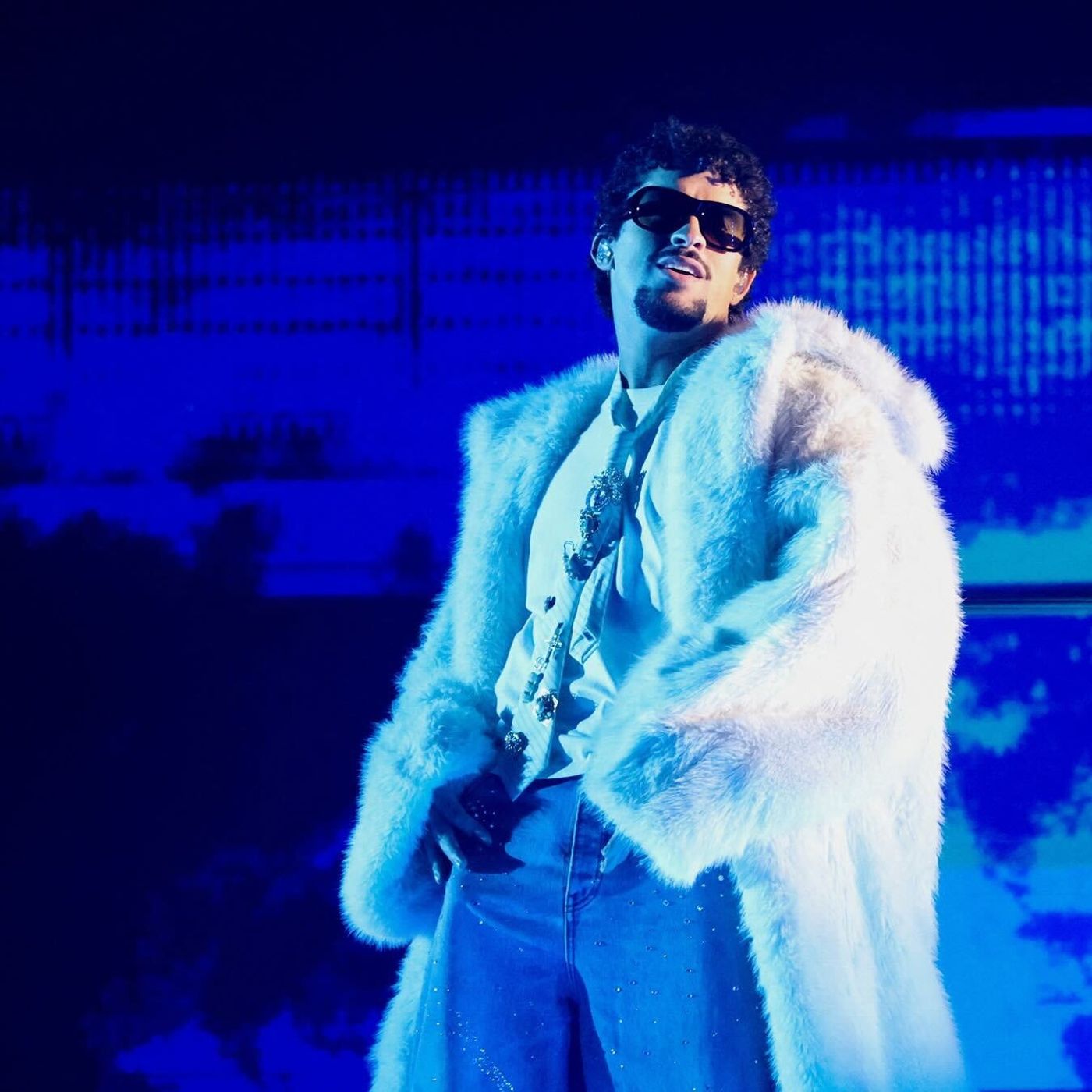
This episode delves into the meteoric rise of Bad Bunny, his cultural and political significance, and the implications of his upcoming Super Bowl halftime performance amidst a contentious political climate. The discussion explores his groundbreaking achievements, his role as a progressive artist, and the risks and opportunities tied to his high-profile performances.
Notable Quotes
- The hegemony of the English language was a fallacy the whole time. Always was.
– Natalie Kitroeff, on Bad Bunny's success singing exclusively in Spanish.
- Bad Bunny says, 'My people need me. I'm going to be beside them.'
– Joe Coscarelli, on Bad Bunny's decision to join Puerto Rican protests in 2019.
- He should alienate the government, his corporate benefactors, and his progressive fan base—because that will only make him more famous and successful.
– Jon Caramanica, on the risks and rewards of Bad Bunny's bold choices.
🎤 The Rise of Bad Bunny
- Born Benito Ocasio in Puerto Rico, Bad Bunny emerged from small-town beginnings, influenced by reggaeton and Puerto Rican music history.
- He broke into the music scene via SoundCloud and YouTube, bypassing traditional gatekeepers like radio and major labels.
- His genre-bending style, gender-fluid fashion, and socially progressive image redefined reggaeton and Latin music.
📈 Streaming and the Globalization of Latin Music
- Streaming platforms like Spotify and YouTube allowed Bad Bunny to reach a global audience without compromising his identity or language.
- Unlike predecessors like Shakira and Ricky Martin, Bad Bunny has never sung in English, signaling a shift in the music industry where non-English songs can dominate globally.
- The success of Despacito
in 2017 paved the way for Latin music's mainstream acceptance, setting the stage for Bad Bunny's rise.
🌍 Political Activism and Cultural Impact
- Bad Bunny has consistently used his platform for activism, from protesting Puerto Rican government corruption to addressing issues like sexual harassment in songs like Yo Perreo Sola.
- His 2019 protest anthem, created during Puerto Rico's political upheaval, exemplified his commitment to his homeland.
- His decision to avoid performing in the U.S. during the Trump administration highlighted his stance against immigration policies and ICE.
🏟️ The Super Bowl Halftime Show and Its Stakes
- Bad Bunny's upcoming Super Bowl performance is historic as the first Spanish-language artist to headline the event.
- The NFL's decision to book him reflects a shift toward embracing diverse, relevant artists, but it also risks backlash from conservative audiences and political figures like Donald Trump.
- The performance is seen as a potential flashpoint for cultural and political confrontation, with speculation about how Bad Bunny might use the platform to make a statement.
🎶 Balancing Art, Fame, and Responsibility
- Despite his global fame, Bad Bunny remains deeply connected to his Puerto Rican roots, as seen in his latest album, Debí Tomar Más Fotos.
- The album reflects themes of home, memory, and identity, blending traditional and modern musical styles.
- As his influence grows, Bad Bunny faces the challenge of balancing artistic integrity, political activism, and the expectations of his diverse fan base.
AI-generated content may not be accurate or complete and should not be relied upon as a sole source of truth.
📋 Episode Description
At the Grammy Awards tonight, the Puerto Rican pop sensation Bad Bunny is the first Spanish-language artist to be nominated for album, record and song of the year simultaneously. For most artists, this would be the high point of their year, if not their career. For Bad Bunny, this is just an appetizer for what’s in store for him next week.
Next Sunday, he will headline the Super Bowl halftime show. His performance comes in the middle of a nationwide crackdown on immigration — an issue he’s been vocal about — and follows a backlash against the N.F.L. for booking him in the first place.
Jon Caramanica and Joe Coscarelli, the hosts of The Times’s pop music show “Popcast,” discuss Bad Bunny’s rise to the heights of pop stardom, and explore what it means for a Puerto Rican artist to headline the world’s biggest stage.
On Today’s Episode:
Jon Caramanica is a pop music critic at The New York Times and a co-host of “Popcast.”
Joe Coscarelli is a culture reporter for The New York Times who focuses on popular music and a co-host of “Popcast.”
Background Reading:
Grammys 2026: Who Should Win the Biggest Awards
Bad Bunny Talks Coming Back Home on His ‘Most Puerto Rican’ Album Yet
Get to Know Bad Bunny in 9 Songs
Photo: Mario Anzuoni for Reuters.
Subscribe today at nytimes.com/podcasts or on Apple Podcasts and Spotify. You can also subscribe via your favorite podcast app here https://www.nytimes.com/activate-access/audio?source=podcatcher. For more podcasts and narrated articles, download The New York Times app at nytimes.com/app.