

🤖 AI Summary
Overview
This episode explores the unprecedented dynamics of the ongoing government shutdown, highlighting how it deviates from historical norms. The discussion focuses on the Trump administration's strategic weaponization of the shutdown, its impact on federal workers, and the broader implications for governance and political power.
Notable Quotes
- This administration sees the shutdown as an 'unprecedented opportunity' to make changes to the budget.
– Tony Romm, on the White House's approach to leveraging the shutdown.
- The president has taken away the urgency of ending the shutdown, kind of on all sides.
– Catie Edmondson, on how insulating certain groups from shutdown consequences has shifted political dynamics.
- This is one of the first moments in Trump's second term where Democrats have had any leverage as it relates to the functioning of government.
– Tyler Pager, on the Democrats' strategic positioning during the shutdown.
🛑 Weaponization of the Shutdown
- Tyler Pager explains how the Trump administration has uniquely weaponized the shutdown to target Democrats, using federal messaging and funding cuts to inflict political damage.
- Federal websites and airport videos blame Democrats for the shutdown, while funding cuts disproportionately affect Democratic-led districts and programs.
- Tony Romm highlights mass layoffs targeting agencies associated with Democratic priorities, such as housing, health, and education.
💰 Budget Maneuvering and Legal Boundaries
- The administration has reallocated funds to pay military and law enforcement personnel, bypassing Congress. Catie Edmondson notes the lack of transparency in these maneuvers, which push legal boundaries.
- Tony Romm warns that this sets a precedent for the executive branch to act unilaterally on budgetary matters, undermining Congressional authority.
⚖️ Political Calculations and Impasse
- Democrats are leveraging the shutdown to highlight healthcare subsidy issues, betting on public backlash against rising premiums. Catie Edmondson describes their strategy as a long-term play for political gain.
- Republicans, meanwhile, are focused on reopening the government before negotiating on healthcare, with Tyler Pager noting the White House's confidence in shared blame polls.
📉 Impact on Federal Workers and Public Services
- Hundreds of thousands of federal workers remain unpaid or furloughed, with some at risk of permanent job loss. Tony Romm emphasizes the financial strain on these individuals.
- Public services, such as food stamps and air traffic control, face disruptions, which could escalate public pressure to end the shutdown.
🏛️ Shifting Power Dynamics in Governance
- The shutdown has amplified the executive branch's power over budgetary decisions, with Tony Romm describing it as a win-win
for the administration to test its limits.
- Catie Edmondson highlights Congressional frustration, with lawmakers acknowledging their diminished ability to check the president's unilateral actions.
AI-generated content may not be accurate or complete and should not be relied upon as a sole source of truth.
📋 Episode Description
Under normal circumstances, the profound pain of a government shutdown compels both parties to negotiate a quick resolution on behalf of the American people. But, so far, nothing about this shutdown is normal.
Times journalists Michael Barbaro, Tyler Pager, Catie Edmondson and Tony Romm sit down to discuss why this shutdown feels so different.
Guest:
- Tyler Pager, a White House correspondent for The New York Times, covering President Trump and his administration.
- Catie Edmondson, a congressional correspondent for The New York Times.
- Tony Romm, a reporter covering economic policy and the Trump administration for The New York Times, based in Washington.
Background reading:
- President Trump’s unilateral spending cuts could complicate a shutdown deal.
- The Trump administration said it would pay some ICE and T.S.A. agents during the shutdown.
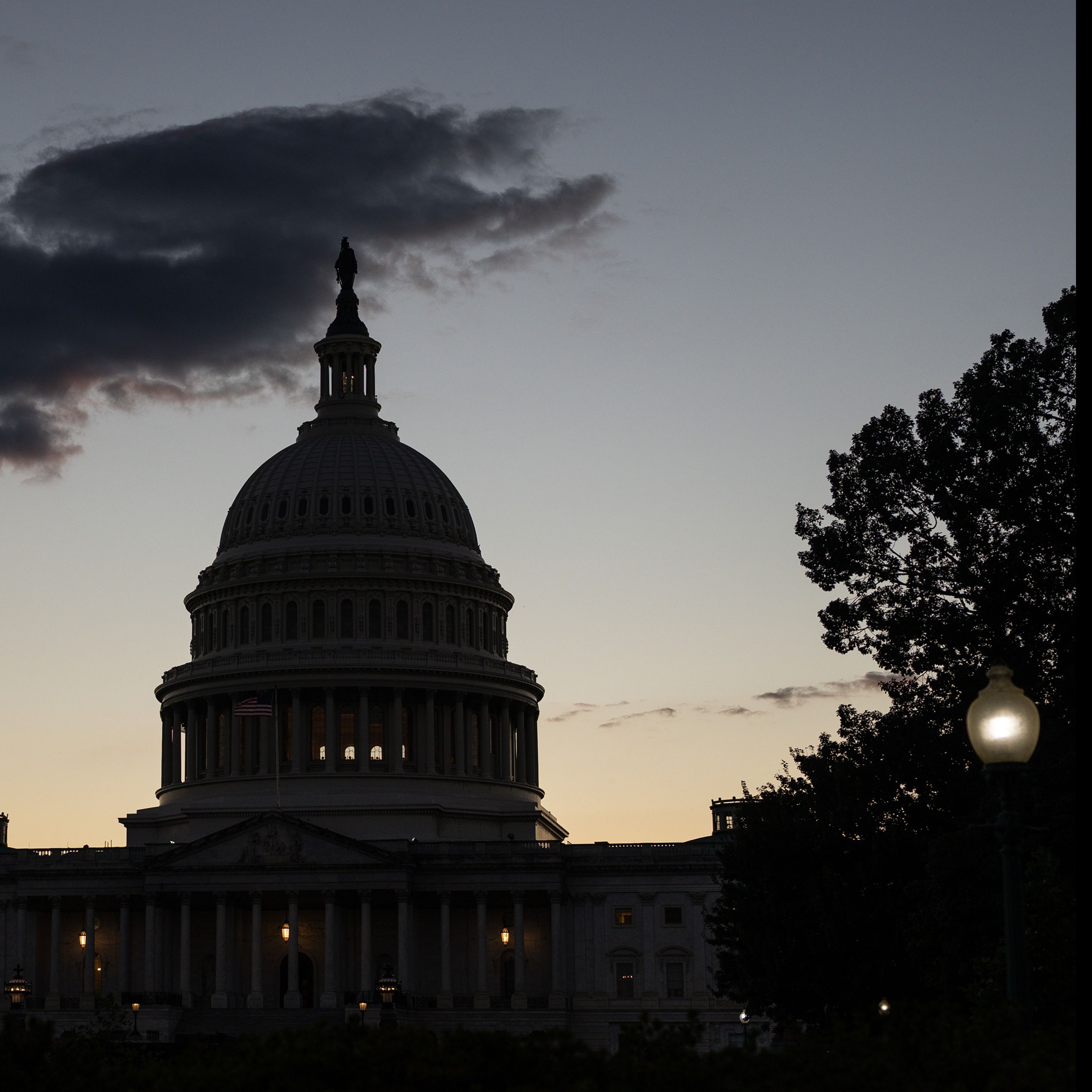
Photo: Tierney L. Cross/The New York Times
For more information on today’s episode, visit nytimes.com/thedaily. Transcripts of each episode will be made available by the next workday.
Subscribe today at nytimes.com/podcasts or on Apple Podcasts and Spotify. You can also subscribe via your favorite podcast app here https://www.nytimes.com/activate-access/audio?source=podcatcher. For more podcasts and narrated articles, download The New York Times app at nytimes.com/app.