

🤖 AI Summary
Overview
This episode explores the Federal Reserve's decision to hold interest rates steady, the ripple effects on lending and borrowing, and the broader economic implications. It also delves into unique economic indicators like toilet paper sales, the challenges of student loan debt, and unconventional side hustles like copper wire stripping. A day in the life of a Wyoming cattle brand inspector offers a glimpse into a niche but vital role in the agricultural economy.
Notable Quotes
- Uncertainty always does that. When you've got an election coming up, you've got rates that are starting to move up a little bit. There's just enough uncertainty that that doesn't lead to a lot of risk-taking or expansion projects.
— Quentin Leidy, CFO of First National Bank Colorado, on the cautious lending environment.
- I have debt from trying to be a musician, which maybe sounds incredibly stupid and irresponsible in hindsight, but when you're a young aspiring person... you try to go for it.
— Annie Gilstrap, on the long-term impact of student loans.
- The fact that its price goes up, it does make people feel like they're making sacrifices.
— Michael Collins, on how rising costs of essentials like toilet paper affect consumer sentiment.
📈 The Federal Reserve’s Decision and Its Implications
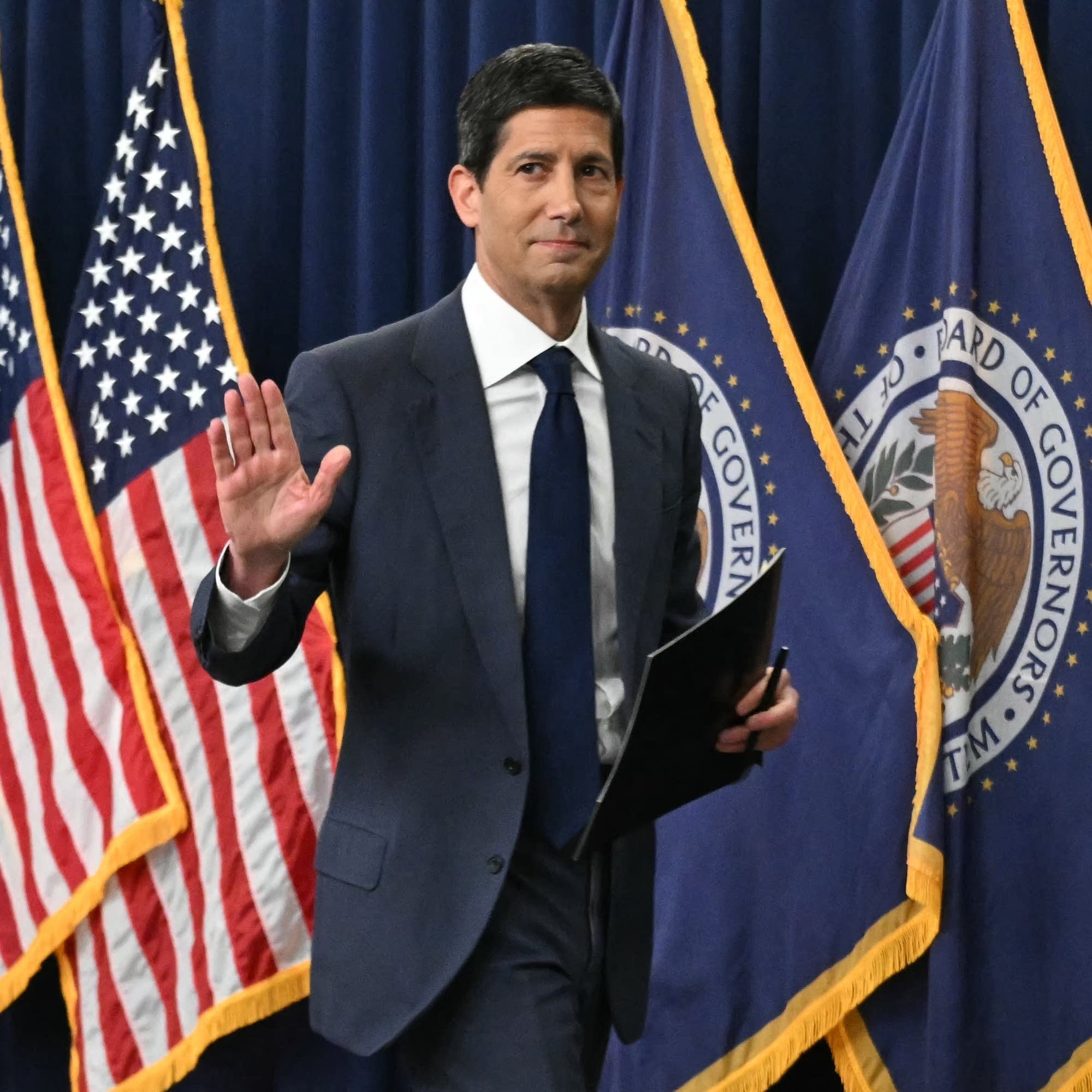
- The Federal Reserve decided to keep interest rates steady at just below 4%, despite acknowledging elevated inflation.
- Fed Chairman Warsh announced a new strategy: one of the eight annual meetings will focus on strategic deliberations
rather than interest rate decisions, starting next year.
- Despite the pause, the consensus is that interest rates are likely to rise in the short term.
💸 The Impact of Rising Interest Rates on Lending and Borrowing
- Justin Ho reported on the challenges small businesses face in securing loans due to higher interest rates.
- Tiffany Turner of Adrift Hospitality is hesitant to take out a $300,000 loan for upgrades due to high borrowing costs.
- Quentin Leidy, CFO of First National Bank Colorado, noted a slowdown in loan demand as businesses avoid risk amid economic uncertainty.
- Kyle LaFond, founder of Natural Contract Manufacturing, has turned to private investors for financing after being denied bank loans.
🐄 The Role of Cattle Brand Inspectors in the Agricultural Economy
- Caitlin Tan followed Mike Vickery, a Wyoming brand inspector with 38 years of experience, as he verified cattle ownership before sales.
- Brand inspectors ensure that cattle are legally owned and healthy before being sold, preventing theft and maintaining the integrity of the beef supply chain.
- Vickery, who is retiring soon, reflected on the pride ranchers feel in their brands and the importance of his role in their livelihoods.
🧻 Toilet Paper as an Economic Indicator
- Kristen Schwab explored how toilet paper sales reveal consumer behavior during economic fluctuations.
- When finances are tight, consumers buy less toilet paper or switch to cheaper brands.
- During periods of financial comfort, such as tax season, people tend to buy more and stick to premium brands.
- The current trend shows consumers buying less but still favoring premium brands, reflecting inflationary pressures despite stable employment.
🔧 Copper Wire Stripping: TikTok’s Latest Side Hustle
- Caroline Haskins discussed the rise of copper wire stripping as a TikTok trend, driven by the high price of copper.
- Participants, including electricians, teenagers, and hobbyists, strip copper wire for resale, though it’s not highly profitable (e.g., hours of work might yield only $40).
- Some creators profit more by selling wire-stripping machines or earning revenue through TikTok’s creator program.
- Economists suggest this trend reflects economic precarity, as people seek alternative income sources in challenging financial times.
AI-generated content may not be accurate or complete and should not be relied upon as a sole source of truth.
📋 Episode Description
Fed governors met this week and voted to keep interest rates steady at just below 4%. The central bank says it’s taking a “wait and see” approach to elevated inflation. But what does that mean for banks and businesses that want to borrow money? In this episode, economic forces make for a fraught lending environment. Plus: We take a trip to Costco to understand how toilet paper is an economic indicator, and spend the day out west with a Wyoming cattle brand inspector.
Every story has an economic angle. Want some in your inbox? Subscribe to our daily or weekly newsletter.
Marketplace is more than a radio show. Check out our original reporting and financial literacy content at marketplace.org — and consider making an investment in our future.
Read the stories in today’s episode: