
Why Is the U.S. Building the Saudi Nuclear Program While Destroying Iran’s?

🤖 AI Summary
Overview
This episode explores the United States' controversial decision to assist Saudi Arabia in developing a nuclear program while simultaneously escalating efforts to dismantle Iran's nuclear capabilities. The discussion delves into the geopolitical, economic, and security implications of the deal, as well as its potential to reshape nuclear norms in the Middle East.
Notable Quotes
- The idea of getting such a huge diplomatic breakthrough was worth taking a bit more nuclear risk.
— David E. Sanger, on the Biden administration's approach to the Saudi nuclear deal.
- Nuclear programs last for decades, and your close alliances may not.
— David E. Sanger, on the risks of sharing nuclear technology with Saudi Arabia.
- If we don't open up our best products to other countries, particularly allies, they'll go elsewhere—to the Chinese.
— David E. Sanger, on the strategic rationale behind the U.S.-Saudi nuclear agreement.
🌍 The Saudi Nuclear Deal: Key Details and Motivations
- Saudi Arabia will build at least two nuclear reactors, with U.S.-based Westinghouse as a key contractor, ensuring economic benefits for the U.S.
- The deal is framed as a civilian energy program, but it leaves critical questions unanswered, such as whether Saudi Arabia will produce its own nuclear fuel or rely on external suppliers.
- The agreement reflects Saudi Arabia's desire to modernize its economy and reduce reliance on oil, aligning with regional trends toward nuclear energy adoption.
⚛️ Risks of Nuclear Proliferation in the Middle East
- Concerns arise over Saudi Arabia's potential to exploit nuclear technology for military purposes, especially if Iran develops nuclear weapons.
- Historical parallels are drawn to North Korea and Iran, which initially claimed civilian nuclear programs before pursuing weapons.
- The UAE, which previously agreed to stringent non-proliferation terms, may demand similar concessions granted to Saudi Arabia, potentially weakening regional nuclear safeguards.
🤝 Geopolitical Trade-Offs and Diplomatic Context
- The Biden administration initially linked the nuclear deal to broader diplomatic goals, including Saudi recognition of Israel and support for a Palestinian state.
- The October 7, 2023, Hamas attacks derailed these negotiations, leading to a decoupling of the nuclear deal from diplomatic normalization.
- The Trump administration prioritized the economic benefits of the deal, reflecting differing strategic priorities between administrations.
🛡️ Balancing Alliances and Long-Term Risks
- Critics question the wisdom of trusting Saudi Arabia, given its history, including the 9/11 attacks and the murder of journalist Jamal Khashoggi.
- The U.S. argues that engaging Saudi Arabia in its nuclear network is preferable to allowing China or Russia to fill the void, despite the risks.
- Historical cautionary tales, such as the U.S. aiding Iran's nuclear program under the Shah, underscore the unpredictability of long-term alliances.
📜 Congressional Oversight and Global Implications
- The deal must pass through Congress, where it could face opposition, though a presidential veto would be difficult to override.
- The agreement risks undermining U.S. negotiations with Iran and could exacerbate perceptions of double standards in nuclear policy.
- Broader implications include the potential for a regional nuclear arms race, with countries like Egypt and the UAE seeking similar deals.
AI-generated content may not be accurate or complete and should not be relied upon as a sole source of truth.
📋 Episode Description
The United States signed a landmark deal on Wednesday that allows Saudi Arabia to develop a nuclear program. At the same time, President Trump is escalating the war in Iran, a conflict that the White House says aims to destroy the country’s nuclear capabilities.
David E. Sanger, a national security correspondent for The New York Times, explains what Saudi Arabia and the United States are getting out of the deal.
Guest: David E. Sanger, the White House and national security correspondent for The New York Times.
Background reading:
- The United States signed a deal to help Saudi Arabia obtain nuclear power.
- With his latest threats, Mr. Trump has signaled to Iran that he is willing to escalate.
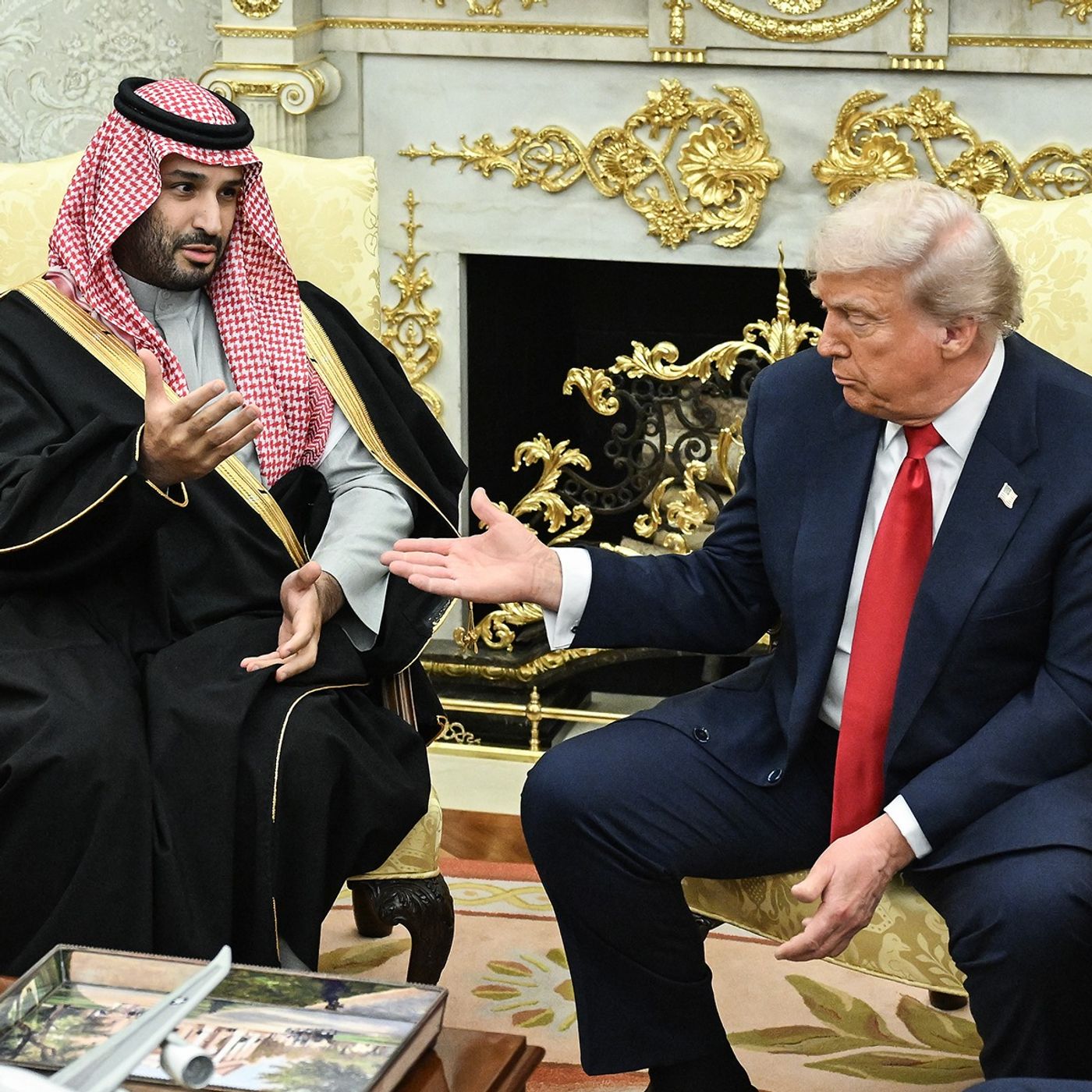
Photo: Kenny Holston/The New York Times
For more information on today’s episode, visit nytimes.com/thedaily. Transcripts of each episode will be made available by the next workday.
Subscribe today at nytimes.com/podcasts or on Apple Podcasts and Spotify. You can also subscribe via your favorite podcast app here https://www.nytimes.com/activate-access/audio?source=podcatcher. For more podcasts and narrated articles, download The New York Times app at nytimes.com/app.
Hosted by Simplecast, an AdsWizz company. See pcm.adswizz.com for information about our collection and use of personal data for advertising.