

🤖 AI Summary
Overview
This episode explores the economic implications of rising imports, a potential Federal Reserve rate hike, and shifts in the labor market. It also delves into wildlife conservation efforts, a major rebrand by Carter’s, and the mysterious ownership of New York’s Charging Bull statue.
Notable Quotes
- When rates go up, you get the punch bowl taken away, you complain for a little bit, then after a while you just move on.
– Mitchell Hartman, on how markets adjust to interest rate hikes.
- For pronghorn, we've had about a 100% reduction in mortality.
– Jill Randall, on the success of wildlife crossings in Wyoming.
- The fact that nobody knows who actually owns it... there’s definitely a bit of poetic irony there.
– Ben Frachtenberg, on the mystery surrounding the Charging Bull statue.
📈 Federal Reserve Rate Hike and Market Reactions
- The Federal Reserve is expected to raise interest rates by 0.25%, with markets already pricing in multiple hikes by next summer.
- Mitchell Hartman explains that while initial market reactions may be muted, higher rates could eventually impact business investments and consumer spending, potentially dragging on corporate profits and stock prices.
- Historical data shows that stocks typically dip for a few months after a rate hike but recover within a year as markets adjust.
👷 Labor Market Trends for Non-Degree Workers
- Gad Levanon from the Burning Glass Institute highlights that workers without college degrees are experiencing a strong job market, with low unemployment and faster wage growth compared to college graduates.
- Factors driving this trend include a shortage of blue-collar workers, limited impact of AI on manual jobs, and changes in immigration policy reducing competition for these roles.
- However, Levanon warns that automation could soon disrupt manual labor jobs, emphasizing the long-term value of higher education.
🚢 Record Imports Amid Economic Uncertainty
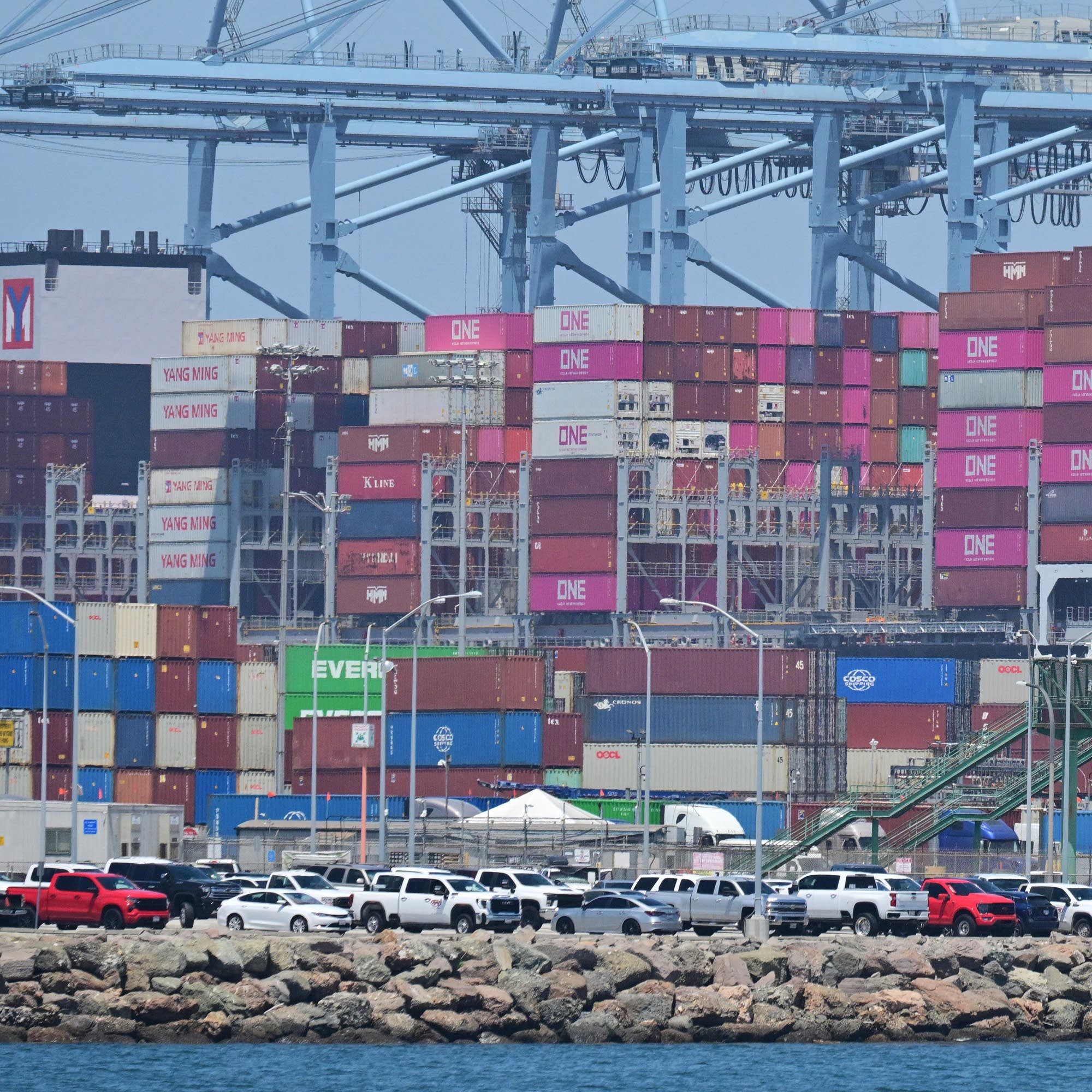
- U.S. ports are experiencing record-breaking import volumes, driven by strong consumer demand and businesses stockpiling goods due to inflation and tariff uncertainties.
- Supply chain experts like Lisa Elram and Joseph Sarkis note that importers are hedging against future cost increases and that domestic manufacturing capacity remains insufficient to replace international sourcing.
- Seasonal factors, such as holiday inventory preparation, also contribute to the surge in imports.
🦌 Wildlife Crossings Save Lives and Money
- Wildlife crossings, such as those in Wyoming, have drastically reduced animal-vehicle collisions, improving safety and saving billions in repair costs.
- Federal funding for these projects is running out, with demand for grants far exceeding available resources.
- Experts like Marcel Hauser emphasize the need for continued federal support, as local funding alone cannot cover the high costs of these infrastructure projects.
🐂 The Mystery of New York’s Charging Bull
- The iconic Charging Bull statue in Manhattan, originally installed as guerrilla art by sculptor Arturo Di Modica, has an unclear ownership status.
- Despite its symbolic importance as a representation of American capitalism, no one, including city officials, seems to know who owns the statue.
- Ben Frachtenberg highlights the irony of this ambiguity, given the statue’s association with the free market system.
AI-generated content may not be accurate or complete and should not be relied upon as a sole source of truth.
📋 Episode Description
August marked the third-highest level of container imports to the U.S. on record. Sure, it’s usually a busy month for holiday shopping inventory, but there’s also that pesky looming inflation and ongoing tariff uncertainty. In this episode, why U.S. retailers are stocking way up. Plus: The stock market braces for a likely Fed rate hike, wildlife highway crossings save money and lives, and Carter’s undergoes a rebrand aimed at a new generation of parents.
Every story has an economic angle. Want some in your inbox? Subscribe to our daily or weekly newsletter.
Marketplace is more than a radio show. Check out our original reporting and financial literacy content at marketplace.org — and consider making an investment in our future.
Read the stories in today’s episode:
- If the Fed hikes rates, here's how the stock market might respond
- For those without a degree, the job market looks pretty good
- Imports boomed this summer in anticipation of higher costs
- Wildlife use bridges and tunnels too, but it’s spendy
- Carter's big rebrand amid challenging children's clothing market
- The complicated history of New York's iconic Charging Bull statue