

🤖 AI Summary
Overview
This episode explores the profound impact of the Trump administration's maximum pressure campaign on Cuba, focusing on the daily struggles of Gustavo Torres Armas, a 25-year-old Cuban living in Havana. Through his perspective, the episode delves into the humanitarian crisis caused by the U.S. oil blockade, the collapse of basic infrastructure, and the resilience of Cuban communities amidst unprecedented challenges.
Notable Quotes
- For us, struggling is normal. It’s only when you stop and look at it that you realize, this is not how most people live.
– Gustavo Torres Armas, on the normalization of hardship in Cuba.
- People are saying we’re devolving to Neanderthal times—cooking with firewood, boiling water to drink. What choice do we have?
– Gustavo Torres Armas, on the regression of daily life due to resource scarcity.
- The ideal thing for me would be for the U.S. to lift the blockade and for the Cuban government to completely change. But right now, people just want food, water, and to live a little.
– Gustavo Torres Armas, on the intersection of survival and political aspirations.
🛢️ The U.S. Oil Blockade and Its Devastating Effects
- The Trump administration's oil embargo has left Cuba without fuel, crippling transportation, electricity, and essential services.
- Blackouts now stretch for hours or even days, with hospitals operating in darkness and residents unable to access water due to power-dependent pumps.
- Public transportation has collapsed, forcing residents like Gustavo to rely on overcrowded cyclobuses
or hitchhike to get to work.
🚰 Daily Life Under Resource Scarcity
- Gustavo describes waking up six out of seven days without running water, often carrying buckets from a cistern to his fifth-floor apartment.
- Trash piles up in the streets due to a lack of fuel for garbage trucks, leading to widespread burning of waste, even in urban areas, causing severe air pollution and health issues.
- Food shortages are rampant, with basic staples like rice, sugar, and cooking oil either unavailable or prohibitively expensive.
🏠 Community Resilience Amid Crisis
- Despite the hardships, Cuban communities lean on solidarity. Neighbors share water, food, and resources when possible.
- Gustavo highlights the role of informal networks, such as housewives monitoring delivery trucks and alerting others when essential goods arrive.
- The normalization of struggle is evident in everyday interactions, where small talk often revolves around shared hardships like hunger or lack of medicine.
🎨 The Collapse of Tourism and Cultural Life
- Gustavo works at a contemporary art gallery, which now sees only one or two visitors a day due to the collapse of tourism—a key source of income for many Cubans.
- The lack of visitors leaves him questioning the purpose of his work, though occasional gratitude from visitors provides fleeting moments of validation.
🇨🇺 Political Frustration and Hopelessness
- Many Cubans blame both the U.S. blockade and their own government for the crisis, with some expressing extreme ideas like selling the country to foreign powers.
- Gustavo dreams of a future with democracy and lifted sanctions but acknowledges that most people prioritize immediate survival over political ideals.
- The pervasive sense of hopelessness is compounded by the absence of a clear path to recovery, with many fearing that conditions will only worsen.
AI-generated content may not be accurate or complete and should not be relied upon as a sole source of truth.
📋 Episode Description
In January, after the capture of President Nicolás Maduro of Venezuela, the Trump administration turned its attention to Cuba. In the months since, the White House has used every tool at its disposal to unseat the Communist government.
In May, sparking fears of a humanitarian crisis, Cuba reported that it had officially run out of oil as a result of the U.S. oil blockade.
Today, Lynsea Garrison, a senior producer for “The Daily,” talks with one Cuban about how his life has transformed under President Trump’s pressure campaign, and what the future holds for Cuban people.
Guest: Lynsea Garrison, senior producer on “The Daily” for The New York Times.
Background reading:
- Cuba’s already-struggling schools are ending the academic year early because of the crippling fuel shortage caused by the U.S. oil blockade.
- The blockade has deepened a humanitarian crisis, forcing Cubans to lean on the island’s long tradition of community solidarity.
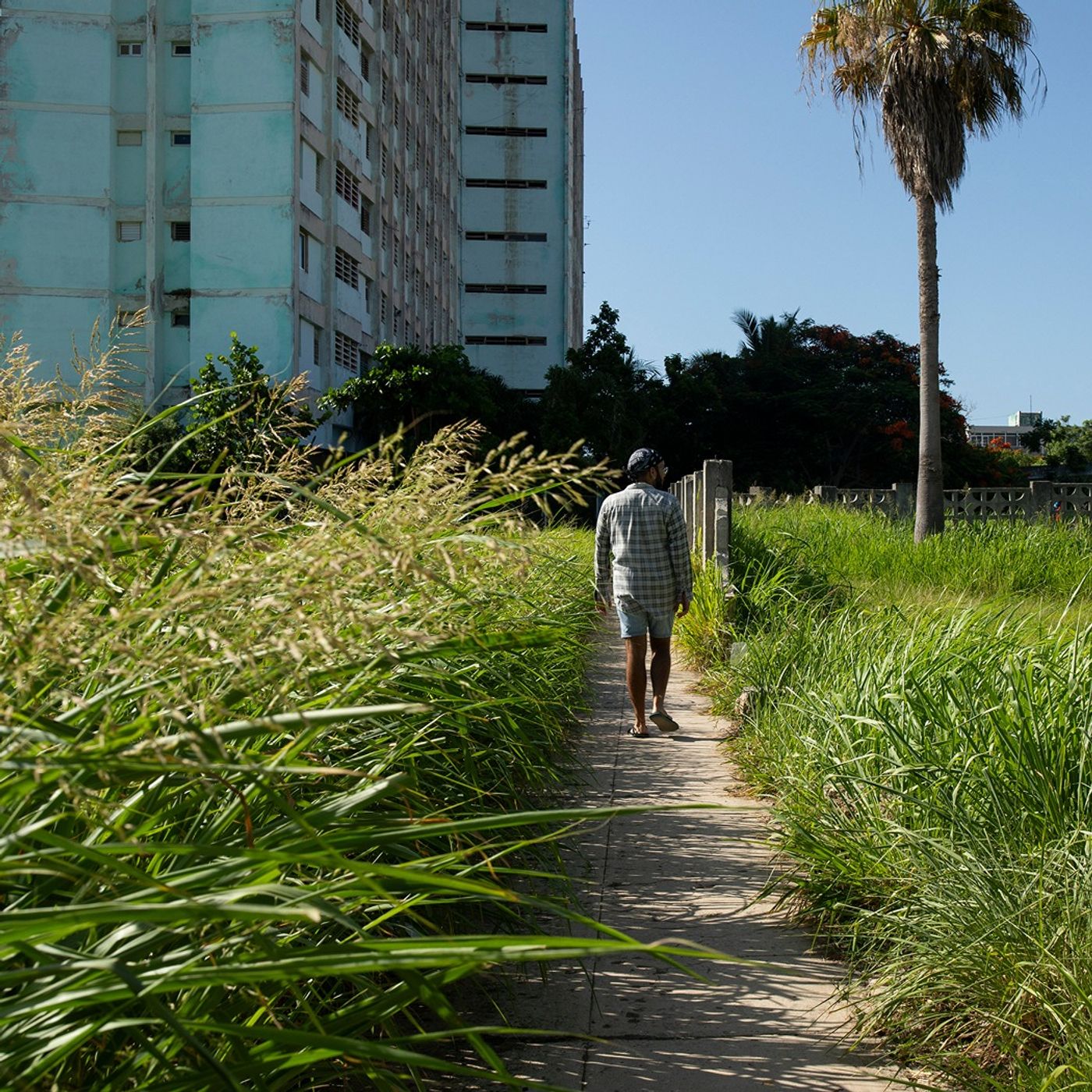
Photo: Lisette Poole González for The New York Times
For more information on today’s episode, visit nytimes.com/thedaily. Transcripts of each episode will be made available by the next workday.
Subscribe today at nytimes.com/podcasts or on Apple Podcasts and Spotify. You can also subscribe via your favorite podcast app here https://www.nytimes.com/activate-access/audio?source=podcatcher. For more podcasts and narrated articles, download The New York Times app at nytimes.com/app.
Hosted by Simplecast, an AdsWizz company. See pcm.adswizz.com for information about our collection and use of personal data for advertising.