

🤖 AI Summary
Overview
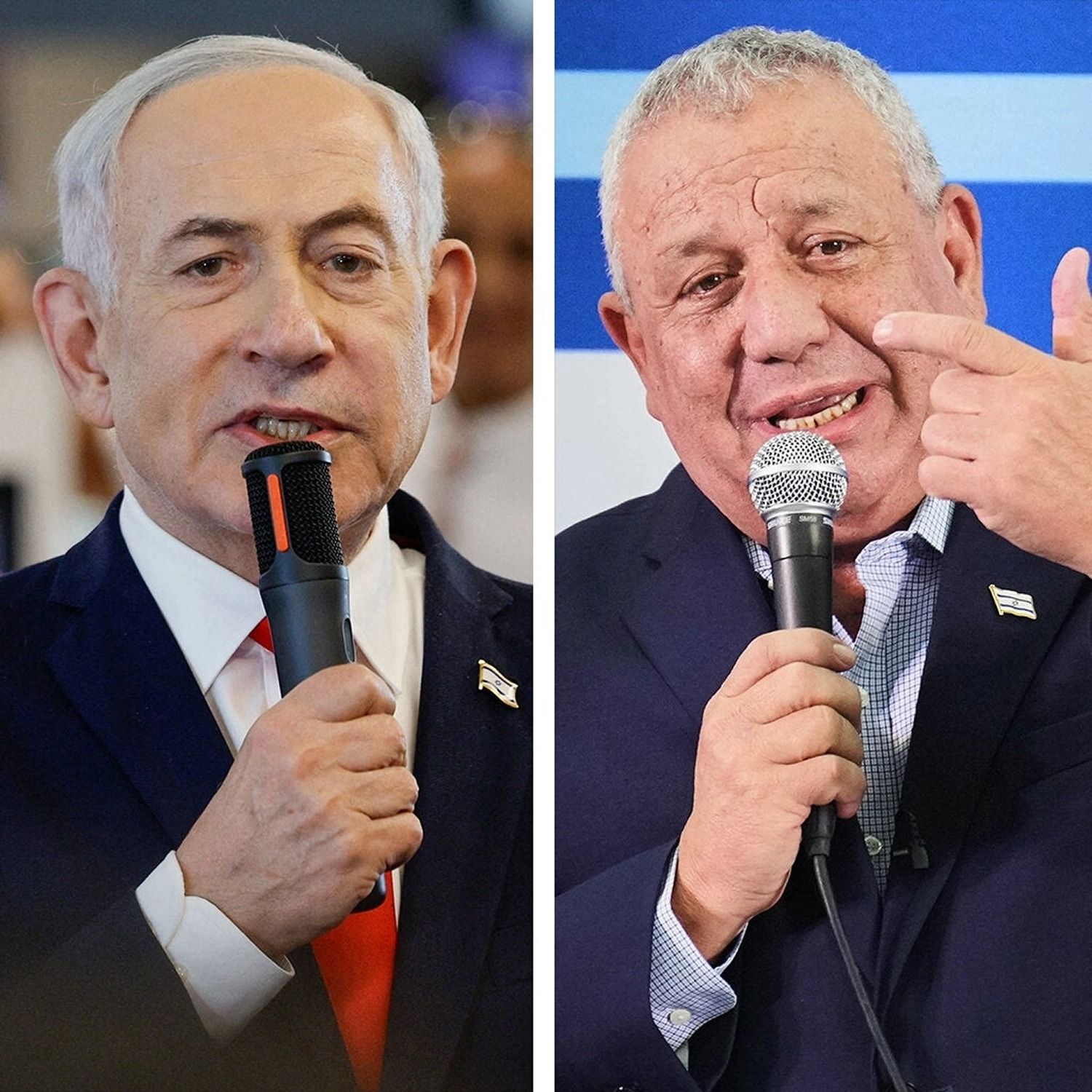
This episode explores the high-stakes Israeli election, which many view as a turning point for the nation's future. It examines the stark contrasts between Prime Minister Benjamin Netanyahu and his main challenger, Gadi Eisenkot, focusing on issues like security, democracy, settler violence, and the role of the ultra-Orthodox in Israeli society. The discussion also delves into the broader implications of the election for Israel's global standing and internal divisions.
Notable Quotes
- For Israelis, this election is about the fate of their democracy, the fairness of sacrifices demanded, and what kind of Jewish state this will be.
– David M. Halbfinger
- When there's credit, you share it. When there's failure, you step forward and own it.
– Gadi Eisenkot, contrasting his leadership philosophy with Netanyahu's.
- If not here, where?
– David M. Halbfinger, on the existential dilemma facing Israelis contemplating emigration.
🗳️ The Existential Stakes of the Election
- Many Israelis view this election as the most consequential in the nation's history, with the country deeply divided between Netanyahu's government bloc and the opposition.
- The election is less about Palestinian statehood and more about internal issues like democracy, fairness in military service, and the social contract.
- A growing number of Israelis, disillusioned with the country's direction, are seeking second passports or leaving Israel altogether.
⚖️ Netanyahu’s Leadership and Controversies
- Netanyahu campaigns on his reputation as Mr. Security,
citing military actions post-October 7th, but faces criticism for failing to prevent the attack and refusing to take responsibility.
- His government’s judicial overhaul, seen as a threat to democracy, sparked massive protests in 2023.
- Netanyahu relies heavily on ultra-Orthodox and far-right factions, which has exacerbated societal divisions and increased settler violence in the West Bank.
- Critics accuse him of prioritizing political survival over addressing key issues like the ultra-Orthodox military draft and Israel's growing international isolation.
🪖 Gadi Eisenkot’s Vision for Unity and Accountability
- Eisenkot, a former military chief, positions himself as a unifying figure, contrasting his leadership style with Netanyahu’s divisive approach.
- His platform emphasizes accountability, including a commitment to a National Commission of Inquiry into the October 7th attacks.
- He advocates for equitable military service, including drafting ultra-Orthodox men, and restoring stability in the West Bank by curbing settler violence and illegal settlements.
- Eisenkot’s personal losses in the Gaza war, including the death of his son and two nephews, lend emotional weight to his campaign.
🌍 Israel’s Isolation on the World Stage
- Netanyahu attributes Israel’s growing isolation to anti-Semitism and external factors, dismissing criticism of his policies.
- His alignment with the U.S., particularly under Trump, has bolstered military support but risks long-term diplomatic consequences.
- Eisenkot acknowledges the need to restore stability but avoids addressing Israel’s global image directly, focusing instead on internal reforms.
🔄 The Uncertain Path Ahead
- Israel’s coalition-based political system could lead to an inconclusive election, potentially triggering another round of voting or legislative gridlock.
- Eisenkot’s coalition may attempt bold legislative moves, such as imposing term limits or barring candidates under criminal indictment, directly targeting Netanyahu.
- The election underscores Israel’s deep societal divisions, with fears of political violence and further polarization regardless of the outcome.
AI-generated content may not be accurate or complete and should not be relied upon as a sole source of truth.
📋 Episode Description
Israelis head to the polls next week. On the ballot is the future of a country that has become isolated on the world stage, because of both its war in Gaza and a growing outcry over settler violence in the West Bank.
David M. Halbfinger, the Jerusalem bureau chief for The New York Times, explains how Prime Minister Benjamin Netanyahu differs from his biggest challenger.
Guest: David M. Halbfinger, the Jerusalem bureau chief for The New York Times.
Background reading:
- Here’s why Palestinians hope Israelis will oust Netanyahu in pivotal election.
- President Trump endorsed Netanyahu as best U.S. partner in the Israeli election.
Photo: Amir Cohen/Reuters; Ariel Schalit/Associated Press
For more information on today’s episode, visit nytimes.com/thedaily. Transcripts of each episode will be made available by the next workday.
Subscribe today at nytimes.com/podcasts or on Apple Podcasts, Spotify and Amazon Music. You can also subscribe via your favorite podcast app here https://www.nytimes.com/activate-access/audio?source=podcatcher. For more podcasts and narrated articles, download The New York Times app at nytimes.com/app.
Hosted by Simplecast, an AdsWizz company. See pcm.adswizz.com for information about our collection and use of personal data for advertising.