

🤖 AI Summary
Overview
This episode explores the rise and fall of Spirit Airlines, a pioneer in ultra-low-cost air travel in the United States. It examines the airline's disruptive business model, its impact on the industry, and the factors that led to its ultimate shutdown. The episode also delves into the emotional toll on employees and passengers, as well as the broader implications for the future of air travel.
Notable Quotes
- If you want to save $150 round trip, we're a great deal. Come fly us.
– Ben Baldanza, former Spirit CEO, on the airline's no-frills philosophy.
- We were able to connect people that otherwise wouldn't have been able to afford to be connected.
– Colleen Burns, Spirit flight attendant, on the airline's accessibility.
- Spirit in its early years really democratized air travel.
– Niraj Chokshi, on the airline's transformative impact.
✈️ The Spirit Airlines Business Model
- Spirit Airlines adopted an ultra-low-cost model in the mid-2000s, inspired by Ryanair in Europe.
- The airline unbundled
services, charging extra for seat assignments, carry-ons, and even printing boarding passes, while offering extremely low base fares.
- CEO Ben Baldanza championed this approach, emphasizing affordability over comfort, stating, We're not for everyone.
- Provocative marketing campaigns, including racy ads, drew attention and controversy, helping Spirit gain visibility.
📉 The Downfall of Spirit Airlines
- Spirit faced increasing competition from major airlines like United and Delta, which introduced basic economy
fares to compete directly.
- Rising labor and fuel costs, exacerbated by the pandemic and geopolitical events, eroded Spirit's cost advantage.
- Attempts to merge with Frontier Airlines and later JetBlue were blocked by the Department of Justice, citing antitrust concerns.
- The airline filed for bankruptcy twice before ultimately shutting down in 2026, leaving 17,000 employees jobless and passengers stranded.
💔 Emotional Impact on Employees and Passengers
- Spirit employees, including flight attendant Colleen Burns, described the airline as a family
and expressed deep grief over its closure.
- Passengers, particularly working-class travelers, mourned the loss of an airline that made air travel accessible. Many shared stories of how Spirit enabled them to visit family or take vacations they otherwise couldn't afford.
- The shutdown sparked an outpouring of tributes online, highlighting Spirit's unique role in democratizing air travel.
🌍 The Spirit Effect and Industry Implications
- The Spirit Effect
refers to the airline's ability to lower fares across the industry when entering new markets.
- Experts predict that Spirit's demise will lead to higher airfares, as major airlines have less incentive to compete on price.
- The industry is increasingly catering to premium travelers, with investments in luxury amenities and loyalty programs, further widening the gap between budget and elite travel experiences.
🔮 The Future of Budget Airlines
- While Spirit's collapse raises questions about the viability of ultra-low-cost carriers, competitors like Allegiant have thrived by avoiding direct competition with major airlines.
- The episode underscores the challenges of sustaining a low-cost model in a volatile industry, where rising costs and competition leave little room for error.
AI-generated content may not be accurate or complete and should not be relied upon as a sole source of truth.
📋 Episode Description
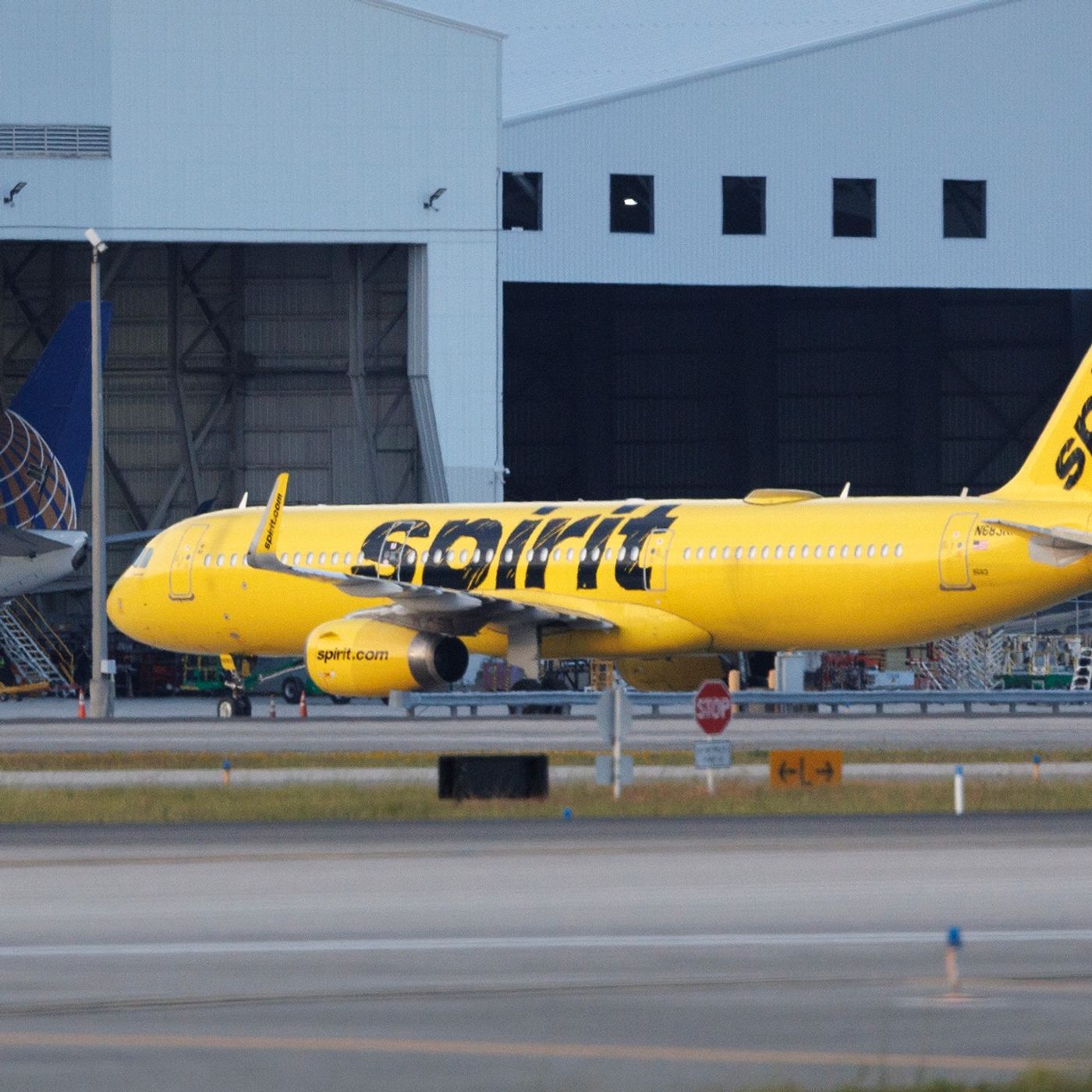
When Spirit Airlines shut down over the weekend, it brought an end to a company that had revolutionized air travel in the United States with its ultra-low-cost approach.
Niraj Chokshi, who covers aviation for The New York Times, discussed why the company unraveled and whether those problems could spread to other airlines. And Lynsea Garrison, a producer for “The Daily,” spoke to a Spirit flight attendant about what the airline represented.
Guest:
- Niraj Chokshi, a reporter at The New York Times covering aviation, rail and other transportation industries.
- Colleen Burns, a flight attendant for Spirit Airlines.
Background reading:
- Spirit Airlines shuts down after years of struggle.
- Here’s how the demise of Spirit could help other airlines.
Photo: Tom Brenner for The New York Times
For more information on today’s episode, visit nytimes.com/thedaily. Transcripts of each episode will be made available by the next workday.
Subscribe today at nytimes.com/podcasts or on Apple Podcasts and Spotify. You can also subscribe via your favorite podcast app here https://www.nytimes.com/activate-access/audio?source=podcatcher. For more podcasts and narrated articles, download The New York Times app at nytimes.com/app.
Hosted by Simplecast, an AdsWizz company. See pcm.adswizz.com for information about our collection and use of personal data for advertising.