
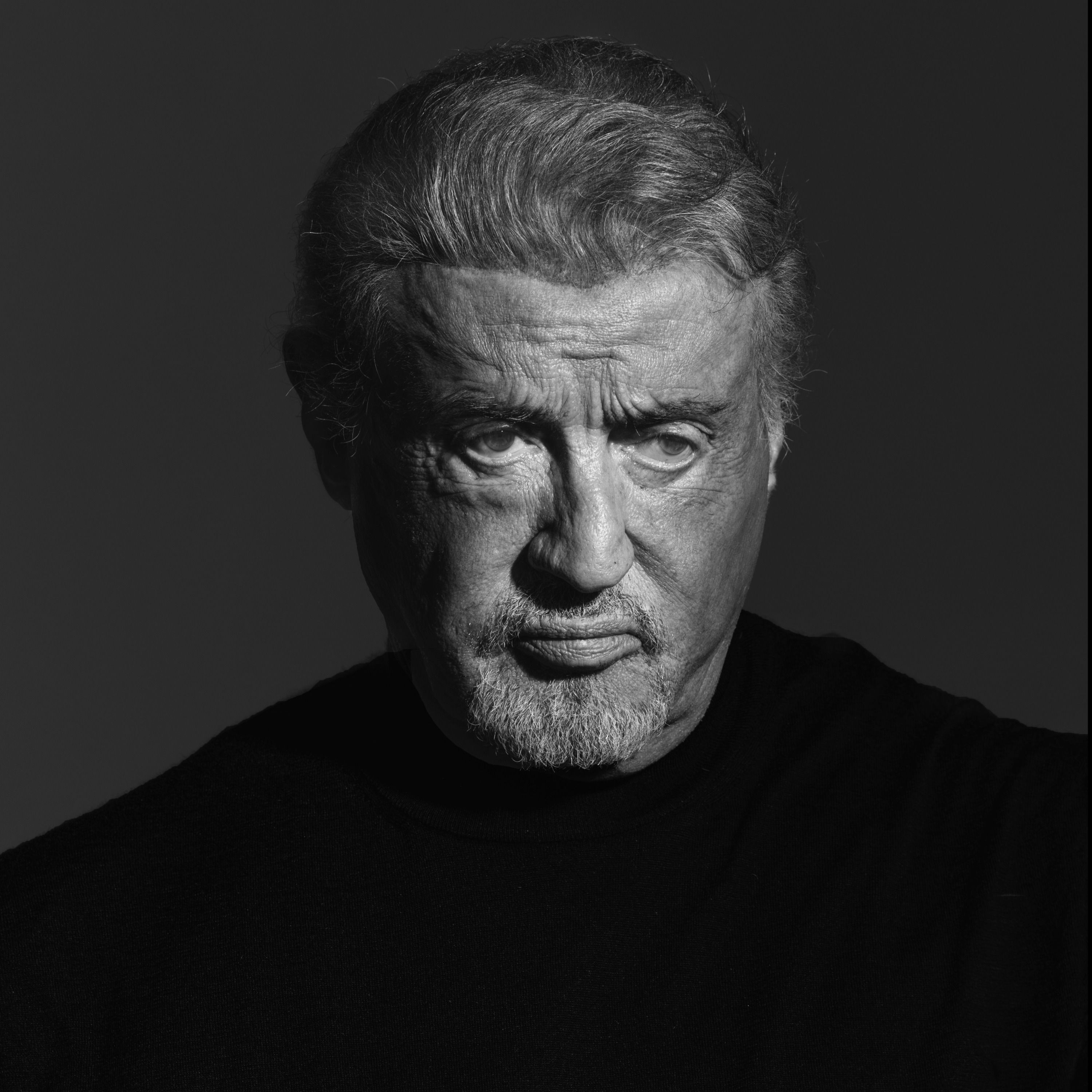
Sylvester Stallone Hid His Struggles for Decades. Now He’s Coming Clean.

🤖 AI Summary
Overview
Sylvester Stallone opens up about his tumultuous childhood, struggles with self-worth, and the emotional and physical toll of his Hollywood career. In this candid conversation, Stallone reflects on his journey from a neglected child to an iconic movie star, sharing insights into his battles with anxiety, his obsession with physical perfection, and his evolving views on fame, family, and war.
Notable Quotes
- I live on regrets. I can make a castle out of regrets.
— Sylvester Stallone, on the weight of his past mistakes.
- You can't break me. You can't break me.
— Sylvester Stallone, recalling his resilience after enduring abuse and trauma in a psych ward as a teenager.
- Rocky is kind of like my imaginary male role model. It's my father. It's what I wish I could be.
— Sylvester Stallone, on the personal significance of his most iconic character.
🌪️ A Turbulent Childhood
- Stallone recounts his traumatic birth, which left him with partial facial paralysis and a speech impediment, making him feel disabled and ostracized as a child.
- He describes his parents’ hostile marriage, their lack of nurturing, and being sent to live in a boarding house as a young child, where he was visited only once a month.
- Stallone reflects on the emotional deprivation he experienced, admitting he didn’t understand true love until his 70s.
💪 The Body as Armor
- Stallone reveals his obsessive relationship with his physique, which he saw as his armor and a way to embody his action-hero roles.
- He admits to becoming bulimic during the filming of Rocky III, driven by an unhealthy fixation on maintaining 2.6% body fat.
- He candidly discusses the use of performance-enhancing drugs in Hollywood and the physical toll of his career, including multiple surgeries and injuries from performing his own stunts.
🎭 Fame, Regret, and Redemption
- Stallone reflects on the overnight fame brought by Rocky, describing it as a tsunami
that transformed his life in two hours.
- He admits to alienating the press and others in Hollywood due to his lack of humility during his early years of stardom.
- Stallone shares how his career was revived by Rocky Balboa at age 60, a project rejected by studios but ultimately a personal triumph.
🛡️ The Evolution of Rambo and Anti-War Sentiments
- Stallone acknowledges his role in turning Rambo into a cartoonish
avatar of American power, moving away from the depth of the original character.
- He reveals his shift from being gung-ho about war to becoming staunchly anti-war, calling it futile and a mechanism for profit at the expense of young lives.
🧠 Anxiety and Emotional Scars
- Stallone opens up about his struggles with anxiety, which began at age 36 and continue to affect him in crowded spaces.
- He reflects on the lasting emotional scars from his upbringing, describing his regrets as a castle
he’s built over time.
- Despite his challenges, Stallone emphasizes the importance of cherishing the present and focusing on love and connection with his family.
AI-generated content may not be accurate or complete and should not be relied upon as a sole source of truth.
📋 Episode Description
The legendary actor on his disturbing childhood, his Hollywood missteps and the pain he caused to his loved ones, his body and himself.
- Thoughts? Email us at [email protected]
- Watch our show on YouTube: youtube.com/@TheInterviewPodcast
- For transcripts and more, visit: nytimes.com/theinterview
For more information on today’s episode, visit nytimes.com/thedaily. Transcripts of each episode will be made available by the next workday.
Subscribe today at nytimes.com/podcasts or on Apple Podcasts, Spotify and Amazon Music. You can also subscribe via your favorite podcast app here https://www.nytimes.com/activate-access/audio?source=podcatcher. For more podcasts and narrated articles, download The New York Times app at nytimes.com/app.
Hosted by Simplecast, an AdsWizz company. See pcm.adswizz.com for information about our collection and use of personal data for advertising.