

🤖 AI Summary
Overview
This episode delves into President Trump's efforts to address growing public dissatisfaction with the economy, focusing on affordability concerns, rising costs, and the administration's economic policies. It also examines the latest economic data and its implications for Americans' financial realities.
Notable Quotes
- They have a new word. You know, they always have a hoax. The new word is affordability.
– Donald Trump, dismissing affordability concerns during a speech.
- People are experiencing pain, and the message from voters is clear: they’re frustrated, they don’t like it, and they want the administration to do more.
– Tony Romm, on public sentiment toward the economy.
- Prices are still rising—they’re just rising more slowly. That doesn’t feel like relief to most people.
– Ben Casselman, on why inflation improvements aren’t resonating with voters.
🛒 Affordability and Public Frustration
- Americans are increasingly vocal about the rising cost of living, with many struggling to afford basic necessities like groceries and housing.
- Tony Romm highlighted that affordability has become a major political vulnerability for Trump, with voters expressing dissatisfaction over stagnant wages and high prices.
- Trump initially dismissed affordability concerns as a hoax
but later shifted his tone, acknowledging the issue in a national address.
📊 Economic Data and Public Perception
- Ben Casselman explained that while inflation has slowed (2.7% year-over-year), prices remain significantly higher than in recent years, particularly for essentials like groceries and beef.
- Unemployment has risen to 4.6%, with a low hire, low fire
labor market creating stagnation. Workers feel stuck, unable to secure raises or new opportunities.
- Consumer spending appears strong but is driven by high-income earners, masking financial strain among middle- and lower-income groups.
💼 Trump's Economic Messaging and Policies
- Trump’s recent speeches aimed to reassure Americans, touting achievements like rising wages and lower prices, though some claims were exaggerated.
- The administration is banking on tax refunds and potential $2,000 tariff rebate checks in 2026 to stimulate the economy and improve public sentiment.
- Critics, including Tony Romm, noted that these measures may provide short-term relief but fail to address systemic issues like housing and healthcare costs.
🏠 Long-Term Economic Challenges
- Persistent issues like unaffordable housing, childcare, and healthcare remain unaddressed, contributing to widespread dissatisfaction.
- Ben Casselman emphasized that these open wounds
are long-standing problems that require more than temporary stimulus to resolve.
- The administration’s hold tight
message demands patience from struggling Americans, a strategy that risks alienating voters further.
📉 Economic Resilience Amid Decline
- Despite fears of a recession earlier in the year, the economy has shown resilience, avoiding a sharp downturn.
- However, Ben Casselman noted that gradual deterioration, rather than improvement, has left many Americans feeling pessimistic.
- The segmented nature of the economy—where some groups thrive while others struggle—complicates efforts to present a unified narrative of recovery.
AI-generated content may not be accurate or complete and should not be relied upon as a sole source of truth.
📋 Episode Description
With anxieties building over affordability, President Trump made a push to reassure Americans just as the government released long-awaited data that raised new questions about the economic health of the nation.
Tony Romm, who covers economic policy for The New York Times, discusses how Mr. Trump is trying to take control of the issue, and Ben Cassleman, The Times’s chief economics correspondent, explains what the latest numbers tell us about why people are still so frustrated.
Guest:
- Tony Romm, a reporter in Washington covering economic policy and the Trump administration for The New York Times.
- Ben Casselman, the chief economics correspondent for The New York Times.
Background reading:
- Here are six takeaways from Mr. Trump’s address to the nation.
- With tariffs unpopular and prices still high, the White House has teased the promise of tariff rebates and large tax refunds next year.
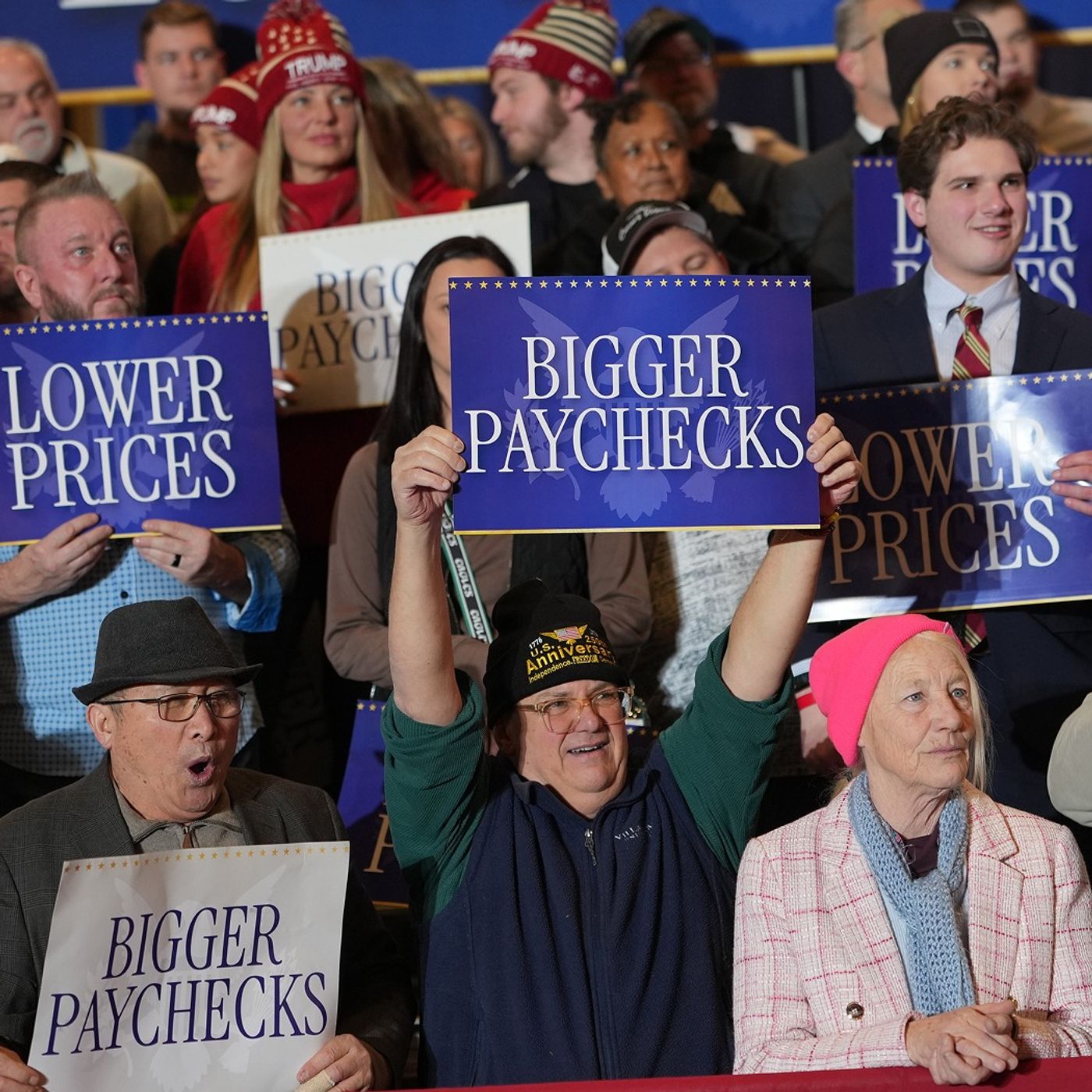
Photo: Doug Mills/The New York Times
For more information on today’s episode, visit nytimes.com/thedaily. Transcripts of each episode will be made available by the next workday.
Subscribe today at nytimes.com/podcasts or on Apple Podcasts and Spotify. You can also subscribe via your favorite podcast app here https://www.nytimes.com/activate-access/audio?source=podcatcher. For more podcasts and narrated articles, download The New York Times app at nytimes.com/app.