

🤖 AI Summary
Overview
The episode delves into the latest release of over 3 million documents related to Jeffrey Epstein, exposing his deep ties with global elites, his exploitation of vulnerable women, and the contradictions in public denials by powerful figures. The discussion highlights the mechanisms of Epstein's influence, the complicity of elites, and the ongoing fallout from these revelations.
Notable Quotes
- These documents are an x-ray of the global elite—how it's interconnected, how money buys anything, and how it buys your way out of almost any scandal.
— Nicholas Confessore
- His crimes didn’t matter because of who the crimes were perpetrated against. These women didn’t matter.
— Matthew Goldstein
- E-mail is forever. The proof here, it’s undeniable.
— Debra Kamin
📂 The Scale and Chaos of the Document Release
- Over 3 million pages of documents, including emails, photos, and videos, were released, marking the largest disclosure yet.
- Debra Kamin highlighted the chaotic rollout, which included unredacted victim names and inappropriate images that had to be flagged and removed.
- The documents span from 2005 to 2019, covering Epstein's life post-conviction as a registered sex offender.
🕵️♀️ Epstein’s Exploitation of Vulnerable Women
- Nicholas Confessore detailed Epstein's systematic recruitment of young women, primarily from Eastern Europe and Russia, offering financial support, housing, and career opportunities in exchange for compliance.
- Emails reveal Epstein's manipulative tactics, including DARVO (Deny, Attack, Reverse Victim and Offender) responses to women who confronted him.
- Matthew Goldstein noted that even after being discarded, many women, broken down by dependency, sought to return to Epstein, only to face further dehumanization.
🌐 The Elite’s Complicity and Vulnerability
- Epstein maintained influence by creating a network of powerful individuals, trading access and intimacy as currency.
- Debra Kamin shared examples of figures like Deepak Chopra and Prince Andrew revealing personal vulnerabilities to Epstein, illustrating his ability to make powerful people feel safe enough to confide in him.
- Epstein’s infamous guest lists, including billionaires, designers, and media moguls, reinforced his image of power and influence.
🛑 Lies and Accountability Among the Powerful
- The documents expose contradictions in public denials by figures like Elon Musk, who claimed to have avoided Epstein but was revealed to have sought invitations to his island.
- Debra Kamin highlighted Andrew Farkas, a billionaire who denied close ties but was shown to have shared personal struggles and business ventures with Epstein.
- Accountability varies: while some, like Brad Karp of Paul Weiss, lost their positions, others, such as Elon Musk and Bill Gates, face little real-world consequence.
💡 The Broader Implications of the Epstein Files
- The revelations underscore the hypocrisy of elites, many of whom espouse progressive values while disregarding the humanity of Epstein’s victims.
- Nicholas Confessore described the documents as a window into how elites operate when they believe they are untouchable, revealing a culture of complicity and moral disregard.
- Matthew Goldstein emphasized how the victims, often dismissed as disposable,
were central to Epstein’s ability to manipulate and maintain power.
AI-generated content may not be accurate or complete and should not be relied upon as a sole source of truth.
📋 Episode Description
The latest release of documents related to Jeffrey Epstein has revealed deep and intense relationships with the global elite, long after he became a convicted sex offender.
Debra Kamin, Nicholas Confessore and Matthew Goldstein, Times reporters who have been covering the release of the documents, discuss their findings.
Guest:
- Debra Kamin, an investigative reporter for the The New York Times, focusing on wealth, power and corruption in New York City.
- Nicholas Confessore, a political and investigative reporter at The New York Times and a staff writer at The New York Times Magazine.
- Matthew Goldstein, a New York Times Business reporter focusing on white-collar crime and the financialization of the housing market.
Background reading:
- Prominent business and political leaders said they weren’t close to Mr. Epstein. The latest documents show otherwise.
- The new files named Elon Musk, Bill Gates and other powerful men among those who exchanged messages or visited with Mr. Epstein.
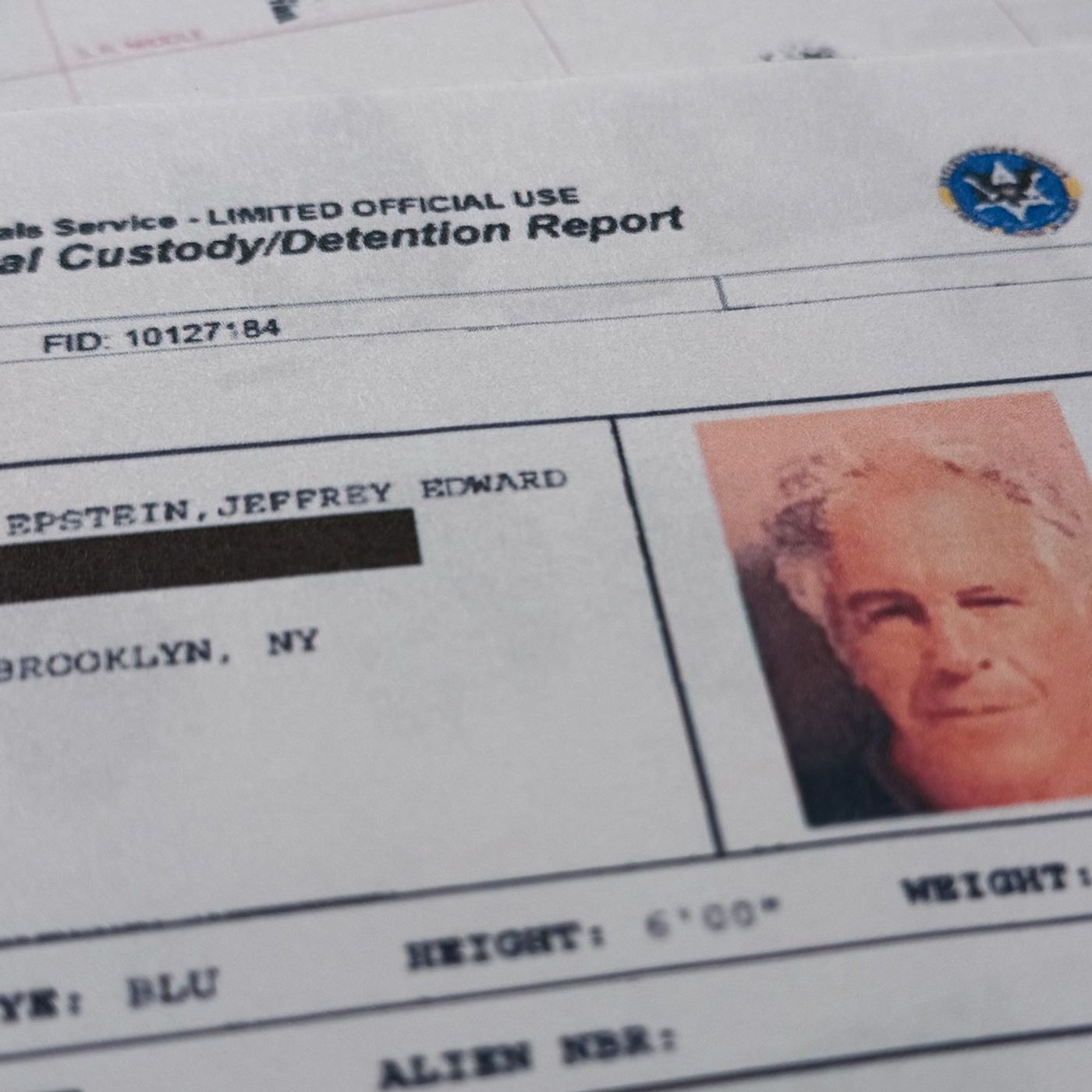
Photo: Jon Elswick/Associated Press
For more information on today’s episode, visit nytimes.com/thedaily. Transcripts of each episode will be made available by the next workday.
Subscribe today at nytimes.com/podcasts or on Apple Podcasts and Spotify. You can also subscribe via your favorite podcast app here https://www.nytimes.com/activate-access/audio?source=podcatcher. For more podcasts and narrated articles, download The New York Times app at nytimes.com/app.
Hosted by Simplecast, an AdsWizz company. See pcm.adswizz.com for information about our collection and use of personal data for advertising.