

🤖 AI Summary
Overview
This episode delves into the critical depletion of U.S. missile stockpiles amidst the ongoing war with Iran. It explores the origins of the shortage, the challenges of replenishing munitions, and the broader implications for U.S. military readiness, including vulnerabilities to adversaries like China and Russia.
Notable Quotes
- Hitting a bullet with a bullet sounds really hard and complex.
– Natalie Kitroeff, on the difficulty of missile interception.
- The cupboard's basically bare for some of these key munitions, and there's no quick and easy way to replenish them.
– Eric Schmitt, on the dire state of U.S. missile reserves.
- Iran is watching and taking note of its leverage expanding in real time.
– Eric Schmitt, on Iran's strategic exploitation of U.S. vulnerabilities.
🛡️ The Missile Shortage Crisis
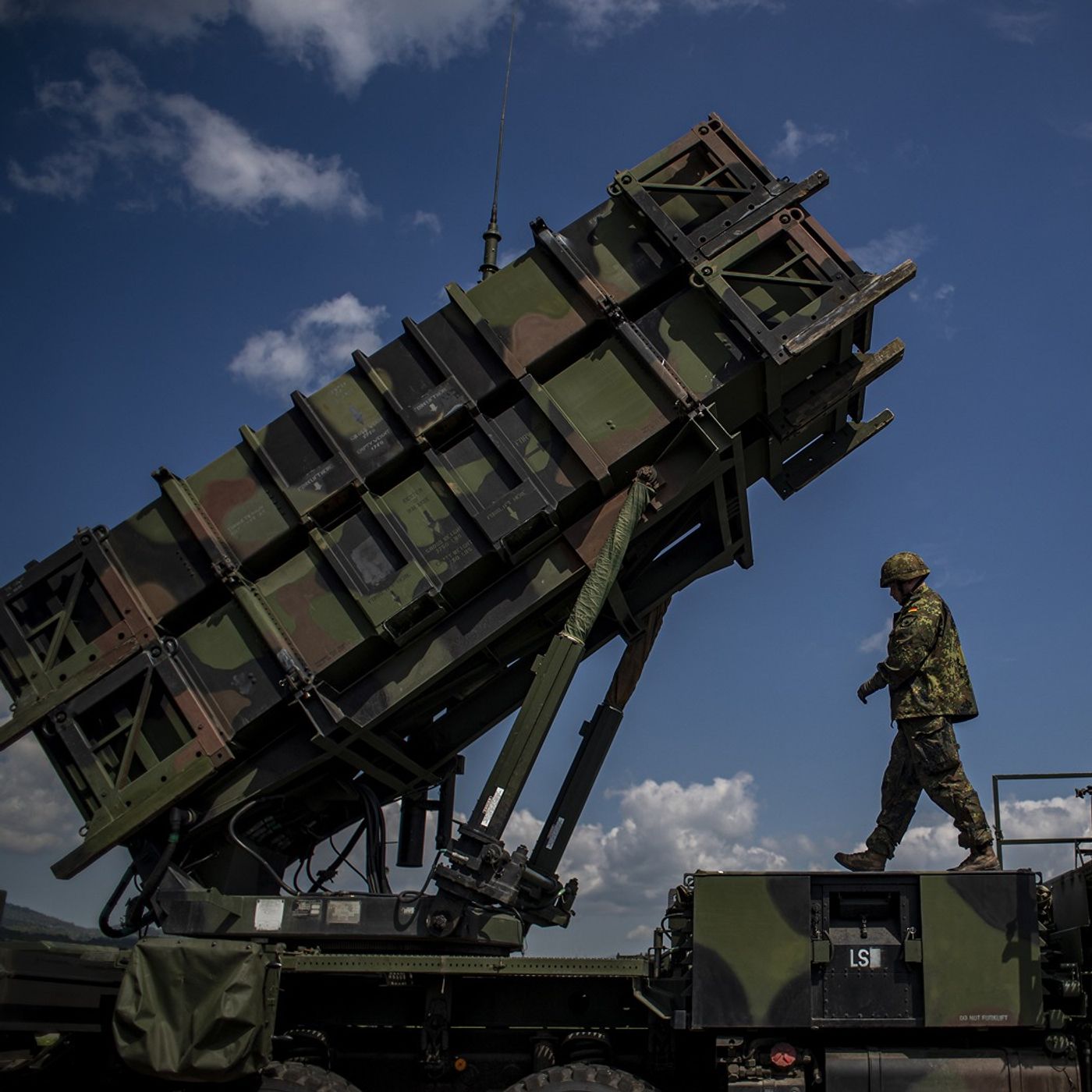
- The U.S. has burned through nearly half of its global stockpile of Patriot interceptors since the war with Iran began, leaving only about 1,700 missiles.
- Defensive systems like Patriot and THAAD are critical for protecting U.S. troops and allies, but their usage doctrine—firing two interceptors per incoming missile—accelerates depletion.
- The shortage is exacerbated by prior commitments to supply munitions to Ukraine and other allies, as well as earlier conflicts like the 12-day war involving Israel and Iran.
⚙️ Challenges in Replenishing Stockpiles
- Manufacturing a single Patriot missile takes approximately two years due to the complexity of its components and reliance on multiple contractors.
- Lockheed Martin, the primary producer, is working to triple production, but this requires significant investment, factory expansion, and workforce training.
- Congress has been hesitant to approve additional defense spending, especially given the perception of a failed war
in Iran.
🇮🇷 Iran’s Strategic Adaptations
- Iran has decentralized its missile arsenal and command structure, making it harder for U.S. forces to neutralize their capabilities.
- They employ a mix of drones, cruise missiles, and maneuverable ballistic missiles to overwhelm U.S. defenses.
- A recent attack on a U.S. base in Jordan demonstrated Iran's ability to exploit gaps in air defenses, resulting in American casualties and significant damage.
🌍 Global Implications of the Shortage
- The Pentagon has diverted munitions from commands in Asia and Europe to the Middle East, leaving regions like the Pacific and Eastern Europe more vulnerable.
- Adversaries like China and Russia are closely monitoring the situation, potentially emboldened to act against Taiwan or Eastern Europe.
- The U.S. reliance on proprietary missile systems, with limited production capacity, has created a strategic bottleneck that adversaries are exploiting.
💡 Rethinking Defense Strategy
- The U.S. is exploring cheaper, faster-to-produce alternatives to Patriot interceptors, though these may lack the same capabilities.
- The broader issue lies in the unpredictability of modern warfare, making it difficult to anticipate and prepare for future weapon demands.
- The episode underscores the risks of over-reliance on advanced but slow-to-produce weapons systems, highlighting the need for a more agile defense industrial base.
AI-generated content may not be accurate or complete and should not be relied upon as a sole source of truth.
📋 Episode Description
As the fighting with Iran has dragged on, American forces have been burning through their weapons, creating a shortage of munitions that is leaving the United States and its allies in the region much more vulnerable.
Today, Eric Schmitt, a national security correspondent for The New York Times, explains why Washington is running out of key missiles so quickly, and how the munitions shortage might affect the safety of U.S. troops and the Trump administration’s efforts to end the war.
Guest: Eric Schmitt, a national security correspondent for The New York Times.
Background reading: The war in Iran has depleted U.S. weapons stockpiles, resulting in a significant erosion of firepower.
Photo: Martin Divisek/EPA, via Shutterstock
For more information on today’s episode, visit nytimes.com/thedaily. Transcripts of each episode will be made available by the next workday.
Subscribe today at nytimes.com/podcasts or on Apple Podcasts and Spotify. You can also subscribe via your favorite podcast app here https://www.nytimes.com/activate-access/audio?source=podcatcher. For more podcasts and narrated articles, download The New York Times app at nytimes.com/app.
Hosted by Simplecast, an AdsWizz company. See pcm.adswizz.com for information about our collection and use of personal data for advertising.