

🤖 AI Summary
Overview
This episode explores the Federal Reserve's balancing act between controlling inflation and supporting the labor market amidst economic uncertainty. It also delves into the rising costs of vegetables and seafood, the impact of credit scores on insurance premiums, and innovative solutions to childcare challenges during emergencies.
Notable Quotes
- Price stability is a precondition of maximum sustainable employment.
– Joe Brisuelas, on the Fed's priorities amidst inflation and labor market struggles.
- If you have a poor credit score and live in the path of a hurricane, you are paying more per unit of disaster risk.
– Claire Brown, on the compounding effects of credit scores and climate risk on insurance costs.
- I cried in my closet, I cried in the car, just desperate for help.
– Silka Knebel, on the inspiration behind founding the National Emergency Childcare Network.
📉 The Fed’s Dual Mandate: Inflation vs. Employment
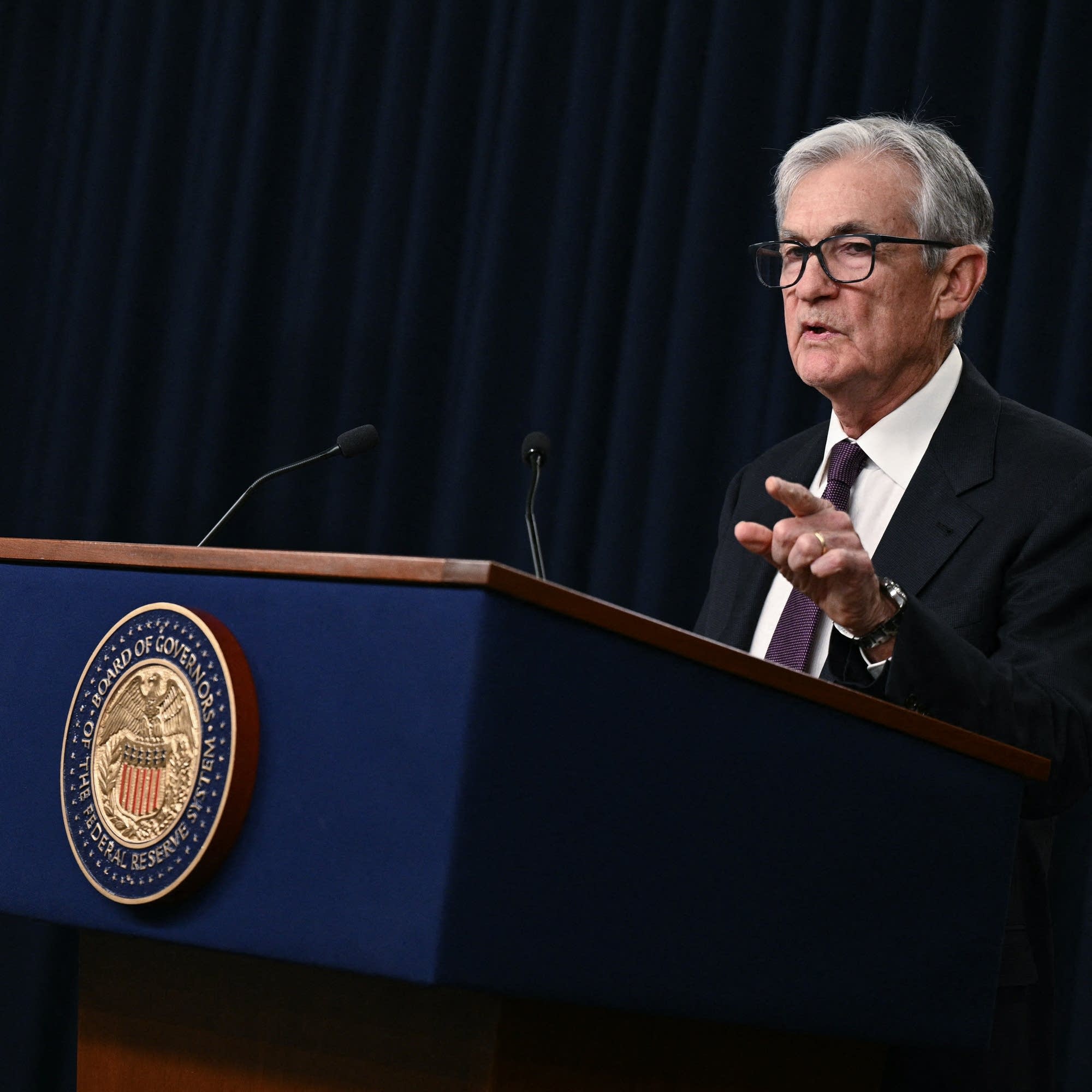
- Fed Chair Jerome Powell emphasized the challenge of balancing inflation control with maintaining a strong labor market.
- Inflation remains above the Fed's 2% target, exacerbated by tariffs and a recent oil shock.
- The labor market shows signs of stagnation, with job growth slowing and long-term unemployment rising.
- Experts like Joe Brisuelas argue that controlling inflation must take precedence, as price stability fosters employer confidence and hiring.
🥦 Surging Vegetable Prices and Economic Impacts
- Wholesale vegetable prices spiked nearly 49% in February, driven by factors like winter storms, labor shortages, and tariffs.
- Chris Barrett from Cornell highlighted how labor pressures on growers and import reliance contribute to price volatility.
- Despite these increases, consumer prices for vegetables remain buffered by retailers, though further inflationary pressures loom.
🦐 Seafood Industry Struggles Amid Tariffs
- Imported seafood prices, including shrimp and shellfish, have risen sharply due to tariffs and supply chain disruptions.
- Chinese and Indian suppliers report significant revenue losses, with some pivoting to alternative markets like Canada.
- Domestic producers cannot meet demand, keeping prices high. Economist Angel Rubio noted shrimp prices are at a five-year peak.
💳 Credit Scores and Insurance Inequities
- Credit scores significantly influence homeowners' insurance premiums, with those having fair
credit paying up to double compared to those with excellent
credit.
- Claire Brown explained how disasters lower credit scores, creating a disaster credit loop
that further raises insurance costs.
- States banning credit-based insurance pricing, like Maryland, show more equitable premium rates.
👶 Emergency Childcare Solutions
- Silka Knebel founded the National Emergency Childcare Network to address gaps in childcare during crises, such as natural disasters or medical emergencies.
- The grassroots organization relies on volunteers and aims to expand nationwide, with hopes of becoming as impactful as the Red Cross.
- Hospitals are exploring partnerships with the network to provide childcare for patients undergoing treatment.
AI-generated content may not be accurate or complete and should not be relied upon as a sole source of truth.
📋 Episode Description
The Federal Reserve is focused on cooling inflation right now, which has stayed stubbornly above the 2% target. But price stabilization is just one half of the central bank’s dual mandate. In this episode, when will the Fed pivot to buoying the stagnant job market? After that, wholesale vegetables see huge price spikes, the imported seafood industry staggers despite easing tariffs, and your credit history could determine your mortgage rate.
Every story has an economic angle. Want some in your inbox? Subscribe to our daily or weekly newsletter.
Marketplace is more than a radio show. Check out our original reporting and financial literacy content at marketplace.org — and consider making an investment in our future.