

🤖 AI Summary
Overview
This episode delves into the dire humanitarian crisis in Gaza, where accessing food has become a life-threatening endeavor. It examines the controversial overhaul of the aid distribution system, its deadly consequences, and the broader political and logistical challenges surrounding humanitarian efforts in the region.
Notable Quotes
- Just getting a box of food for themselves and their family has become a life-threatening endeavor.
— Aaron Boxerman, on the desperation at Gaza's aid sites.
- It is clear that it is not possible to implement this plan while also strictly adhering to the humanitarian principles of humanity, neutrality, impartiality, and independence.
— Jake Wood, former executive director of the Gaza Humanitarian Foundation, on his resignation.
- Right now, nobody is really responsible for governing in Gaza... The result has been anarchy.
— Aaron Boxerman, on the broader implications of the crisis.
🛑 The Humanitarian Crisis in Gaza
- Gaza faces extreme scarcity of food, water, and medicine, exacerbated by an Israeli blockade that lasted nearly three months.
- Over 1,000 Palestinians have reportedly been killed near aid distribution sites, with over 600 deaths linked to a new Israeli-controlled aid system.
- The Israeli military disputes these figures and denies targeting civilians, citing warning shots
as crowd control measures.
📦 The Overhaul of Aid Distribution
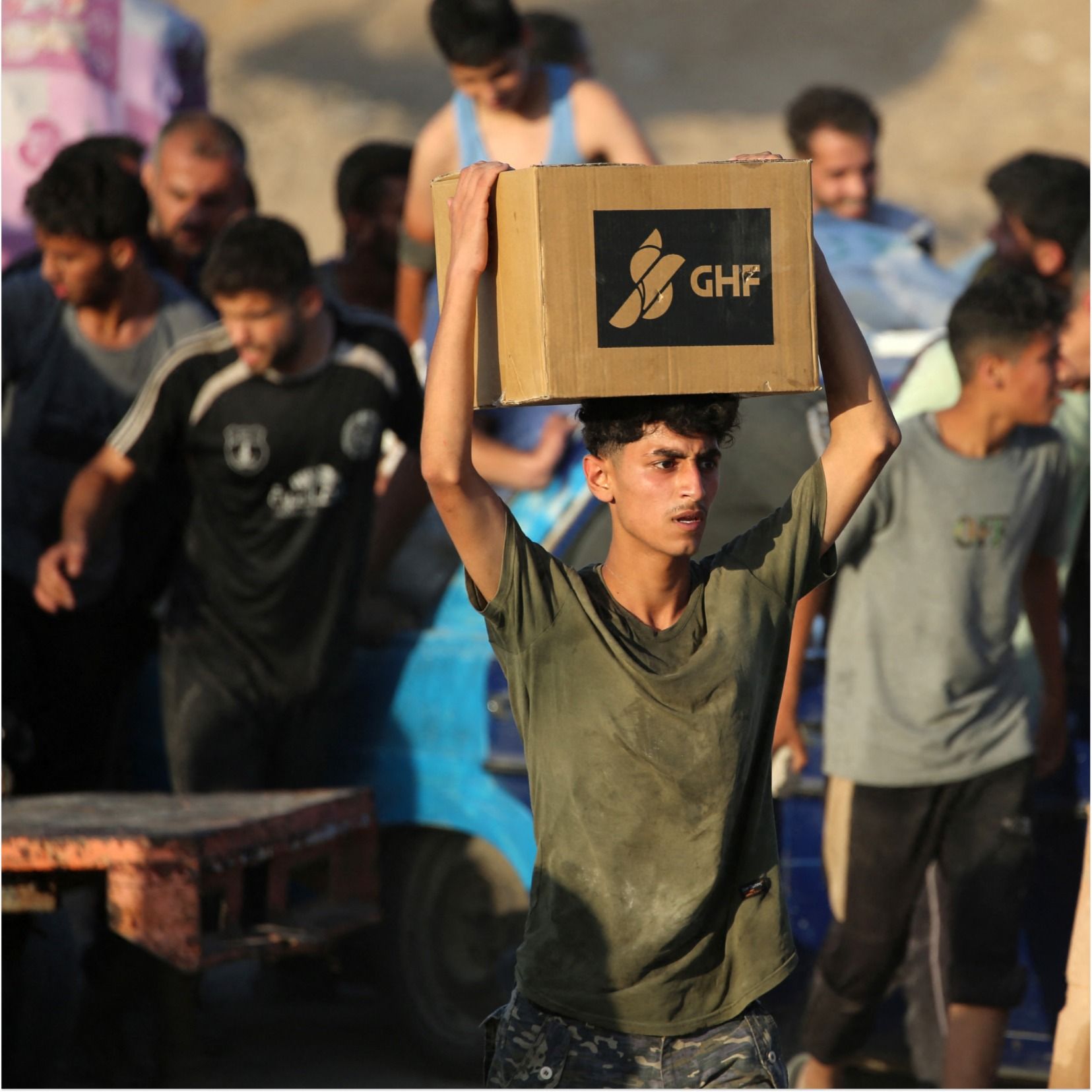
- The previous UN-coordinated system, which operated 400 distribution sites, was replaced by the Gaza Humanitarian Foundation, an Israeli-backed initiative.
- The new system reduced aid sites to just four, all located in Israeli-controlled areas, forcing Palestinians to cross military lines to access food.
- Critics, including the UN, argue this system compromises humanitarian principles and endangers lives.
🕵️♂️ The Controversial Role of the Gaza Humanitarian Foundation
- The foundation, presented as neutral, was revealed to be an Israeli creation involving private contractors, including U.S.-based Safe Reach Solutions.
- Its leadership faced internal dissent, with Jake Wood resigning over ethical concerns just before the system launched.
- Funding sources remain opaque, with $30 million from the U.S. government and over $100 million from an unnamed European country.
⚠️ Violence at Aid Sites
- Crowds at the new aid sites have faced deadly shootings, with incidents involving Israeli soldiers firing on civilians.
- Witnesses describe chaotic scenes where desperate individuals risk their lives for food, often walking long distances and enduring violence.
- The Israeli military claims these incidents occur outside the aid sites, while the foundation denies responsibility for violence.
🌍 International and Political Reactions
- The system has drawn condemnation from international allies like the UK, Germany, and France, as well as 100+ aid organizations.
- Critics argue the system serves as a military strategy to displace Palestinians and consolidate control over Gaza.
- Despite the backlash, the U.S. has continued to support the initiative, signaling political alignment with Israel's approach.
AI-generated content may not be accurate or complete and should not be relied upon as a sole source of truth.
📋 Episode Description
The suffering in Gaza has reached new depths, and now finding food, which was already scarce, has become a deadly endeavor.
Israeli forces have opened fire on crowds of desperate and hungry people who were trying to reach aid sites established by a new and controversial humanitarian group. Hundreds of people have been killed, according to Gaza health officials.
Aaron Boxerman, who covers Gaza for The Times, explains who is behind the distribution system and why it has been so deadly.
Guest: Aaron Boxerman, a reporter for The New York Times covering Israel and Gaza.
Background reading:
- Dozens were killed in shootings that took place after thousands of Palestinians gathered in the hope of getting humanitarian aid from U.N. trucks entering the Gaza Strip.
- Israel-backed aid sites in Gaza pose a lethal risk for Palestinians.
For more information on today’s episode, visit nytimes.com/thedaily. Transcripts of each episode will be made available by the next workday.
Photo: Eyad Baba/Agence France-Presse — Getty Images
Unlock full access to New York Times podcasts and explore everything from politics to pop culture. Subscribe today at nytimes.com/podcasts or on Apple Podcasts and Spotify.