

🤖 AI Summary
Overview
This episode delves into the escalating tensions in Minneapolis as the city becomes a focal point for resistance against federal immigration crackdowns. It highlights grassroots efforts, community solidarity, and the broader political and social implications of these events.
Notable Quotes
- Sex workers and marginalized groups of people, like, that will radicalize you. I really learned in the strip club that everyone agrees with the revolution; we just don't all have the same language to talk about it.
– Anne (Smitten Kitten), on the unexpected role of a sex shop in mutual aid efforts.
- The point of the arrests and detentions is to instill fear and deter people from doing this important work.
– Patty, on ICE's tactics and the community's resolve to resist.
- It’s like my neighbor’s house is on fire, and the fire department is not coming. So you better find a garden hose.
– Anne (Smitten Kitten), on the urgency of grassroots action.
🛑 ICE Crackdown and Community Fear
- Minneapolis has seen an unprecedented influx of federal agents, creating a climate of fear among immigrant communities.
- Charles Homans notes the city’s small size and predominantly white population make the scale of the crackdown unusual.
- Immigrants, like M, describe altering daily routines to avoid ICE, such as avoiding grocery stores or taking alternate routes to work.
🤝 Grassroots Mutual Aid Networks
- Local businesses, like the Smitten Kitten sex shop, have become hubs for mutual aid, distributing essentials like diapers and formula to vulnerable families.
- Anne (Smitten Kitten) describes the shop’s transformation into a resource center, emphasizing the urgency and volume of aid needed.
- Decentralized networks, including Signal chats and civilian patrols, coordinate efforts to track ICE activity and protect community members.
🔥 The Impact of Renee Goode’s Death
- The fatal shooting of Renee Goode by an ICE officer has galvanized the community, shifting fear into anger and action.
- Charles Homans highlights how this event has made the crisis more personal for white liberal residents, fostering deeper involvement in activism.
- Vigils and memorials have become spaces for mourning and solidarity, with residents bringing supplies and supporting one another.
📣 Civilian Patrols and Resistance Tactics
- Activists like Patty and Mitch patrol neighborhoods, document ICE activity, and alert others through group chats.
- Whistles and honking cars have become informal signals of ICE presence, creating a citywide network of resistance.
- Despite risks, including detentions and confrontations with ICE agents, activists remain committed to disrupting operations and protecting their neighbors.
🏙️ Minneapolis as a Political Battleground
- Charles Homans explains how Minneapolis’ liberal identity and history of activism, including the legacy of George Floyd protests, shape its resistance to ICE.
- The Trump administration’s focus on the city is seen as politically motivated, targeting a state that embodies values opposed to Trump’s agenda.
- The community’s response reflects a broader reckoning with the role of local activism in shaping national policies.
AI-generated content may not be accurate or complete and should not be relied upon as a sole source of truth.
📋 Episode Description
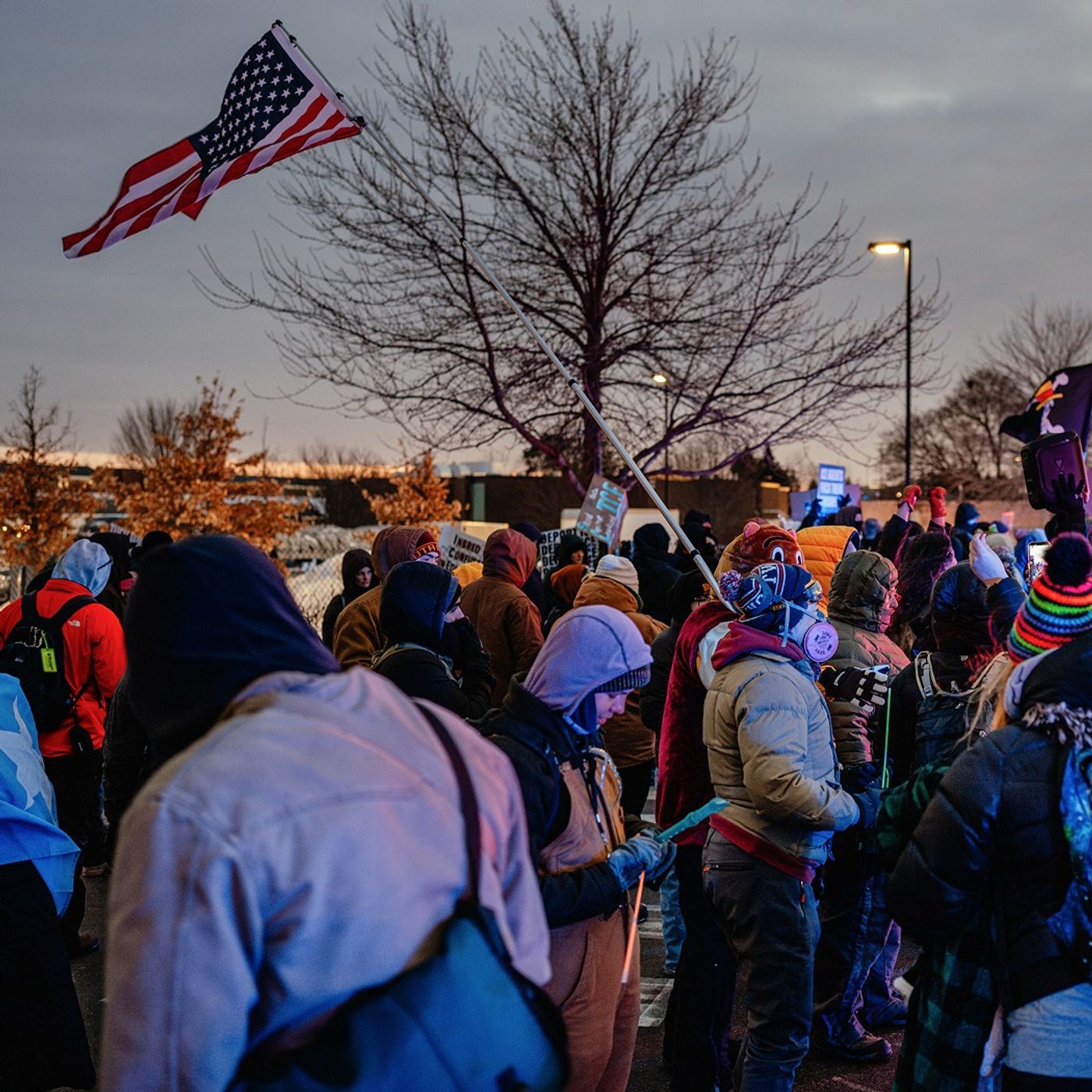
For weeks, protests around Minneapolis have caught nationwide attention as the city shows open defiance to a federal immigration crackdown.
But behind the scenes, a quieter organized resistance has taken shape.
Anna Foley and Michael Simon Johnson, producers for “The “Daily,” go on the ground in Minneapolis to capture that effort, and Charles Homans, a New York Times reporter, explains why the city has become ground zero in the fight over the government’s deportation strategy.
Guest: Charles Homans, a reporter for The New York Times and The Times Magazine, covering national politics.
Background reading:
- In Minneapolis, an intense cat-and-mouse game is putting enraged residents face to face with heavily armed federal agents.
- President Trump’s fight with Minnesota is about more than immigration.
Photo: Jamie Kelter Davis for The New York Times
For more information on today’s episode, visit nytimes.com/thedaily. Transcripts of each episode will be made available by the next workday.
Subscribe today at nytimes.com/podcasts or on Apple Podcasts and Spotify. You can also subscribe via your favorite podcast app here https://www.nytimes.com/activate-access/audio?source=podcatcher. For more podcasts and narrated articles, download The New York Times app at nytimes.com/app.