

🤖 AI Summary
Overview
This episode explores the rise of health tracking technology, particularly its expansion into baby monitoring devices powered by AI. Sapna Maheshwari shares her personal experiences with these technologies, delving into their promises, anxieties they provoke, and broader implications for parenting and society.
Notable Quotes
- Babies are not robots. You still need to go with your instinct, baby's cue, and be a bit relaxed about the whole thing.
– Madhu Maheshwari, critiquing the over-reliance on baby monitoring tech.
- We envision a world where people will have their data from zero to 100.
– Anushka Salinas, CEO of Nanit, on the long-term potential of health tracking.
- The people optimizing their wellness are those that are already well.
– Sapna Maheshwari, reflecting on the demographics of wearable tech users.
🍼 Baby Monitoring Tech: A New Frontier
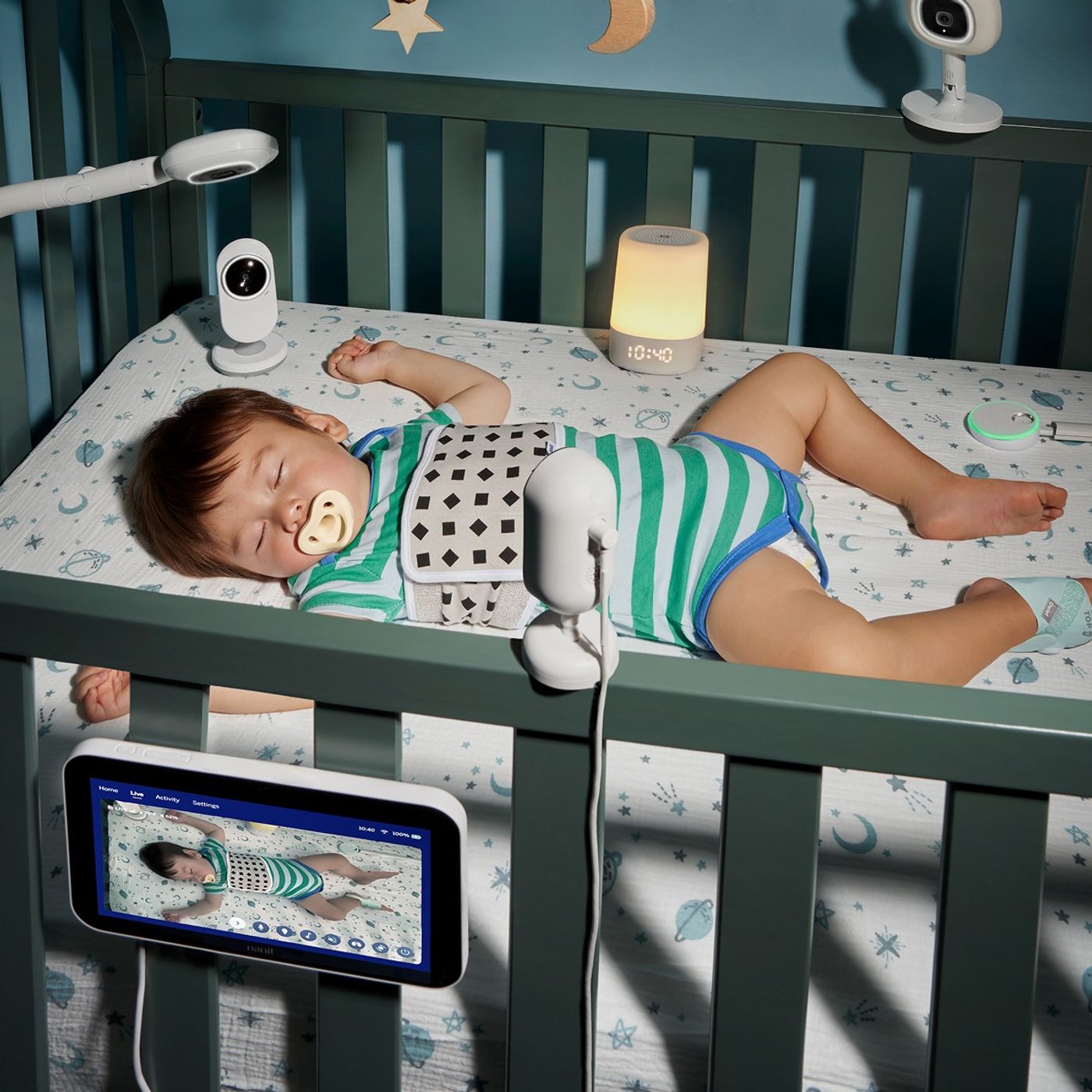
- Sapna Maheshwari recounts her experience with the Nanit baby monitor, which tracks sleep patterns, movements, and even eye activity, offering detailed insights to parents.
- Competing products like Owlet monitor a baby’s pulse via a sock, while others alert parents to potential safety risks, such as a covered face in the crib.
- These devices tap into parental anxieties, particularly around sleep, and often require subscription fees for AI-driven advice.
- Critics, including Sapna’s mother, argue that such tech fosters over-dependence and undermines instinctive parenting.
📊 The Business of Data and AI in Parenting
- Nanit’s CEO, Anushka Salinas, highlights the company’s ambition to use collected data to unlock insights into early childhood development, a black box
period.
- The company envisions expanding beyond sleep tracking to broader health and developmental milestones, leveraging AI to provide personalized advice.
- Privacy concerns arise, though Nanit claims it does not sell user data, relying instead on subscription fees.
🤔 The Intuition vs. Technology Debate
- Sapna’s mother critiques the obsession with optimizing a baby’s environment, such as maintaining a specific room temperature, as unnecessary and unnatural.
- Pediatricians and skeptics warn that reliance on apps and AI may erode parents’ ability to read their child’s cues and trust their instincts.
- The discussion raises broader questions about whether technology is dulling human intuition and replacing innate skills with algorithmic decision-making.
⌚ Wearables for Adults: Gamifying Health
- The wearable tech market, valued at nearly $100 billion, has evolved from step counters like Fitbit to advanced devices like Whoop and Oura, which provide sleep scores, recovery metrics, and tailored health advice.
- Sapna’s husband and his friend Kevin Huang illustrate how wearables can motivate lifestyle changes, such as improved sleep and diet, through gamified metrics like Whoop Age.
- Critics question whether these devices offer genuinely new insights or simply repackage common-sense advice in a data-driven format.
🧠 AI, Data, and the Future of Wellness
- AI thrives on data, and wearables are collecting vast amounts of it, from sleep patterns to heart health. While this data has led to breakthroughs, such as early detection of Parkinson’s, its broader implications remain uncertain.
- The episode explores whether this reliance on AI-enhanced data will ultimately enhance human health or diminish our humanity by outsourcing personal decisions to machines.
AI-generated content may not be accurate or complete and should not be relied upon as a sole source of truth.
📋 Episode Description
More and more people are wearing technology in the form of fitness bands and smart rings. These devices track metrics such as heart rate, skin temperature and sleep. The latest frontier is health tech for babies — and it’s being supercharged by artificial intelligence.
Sapna Maheshwari shares her family’s experience with health tracking and discusses whether it’s helping people or just adding to their anxieties.
Guest: Sapna Maheshwari, a reporter covering new media companies for The New York Times.
Background reading:
- Aw, it’s baby’s first A.I. surveillance system.
- Will A.I. kill us? Can it hack my bank account? Your A.I. questions answered.
Photo: Margeaux Walter for The New York Times
For more information on today’s episode, visit nytimes.com/thedaily. Transcripts of each episode will be made available by the next workday.
Subscribe today at nytimes.com/podcasts or on Apple Podcasts, Spotify and Amazon Music. You can also subscribe via your favorite podcast app here https://www.nytimes.com/activate-access/audio?source=podcatcher. For more podcasts and narrated articles, download The New York Times app at nytimes.com/app.
Hosted by Simplecast, an AdsWizz company. See pcm.adswizz.com for information about our collection and use of personal data for advertising.