
How a Teenager Found Undiagnosed Brain Injuries in the Military

🤖 AI Summary
Overview
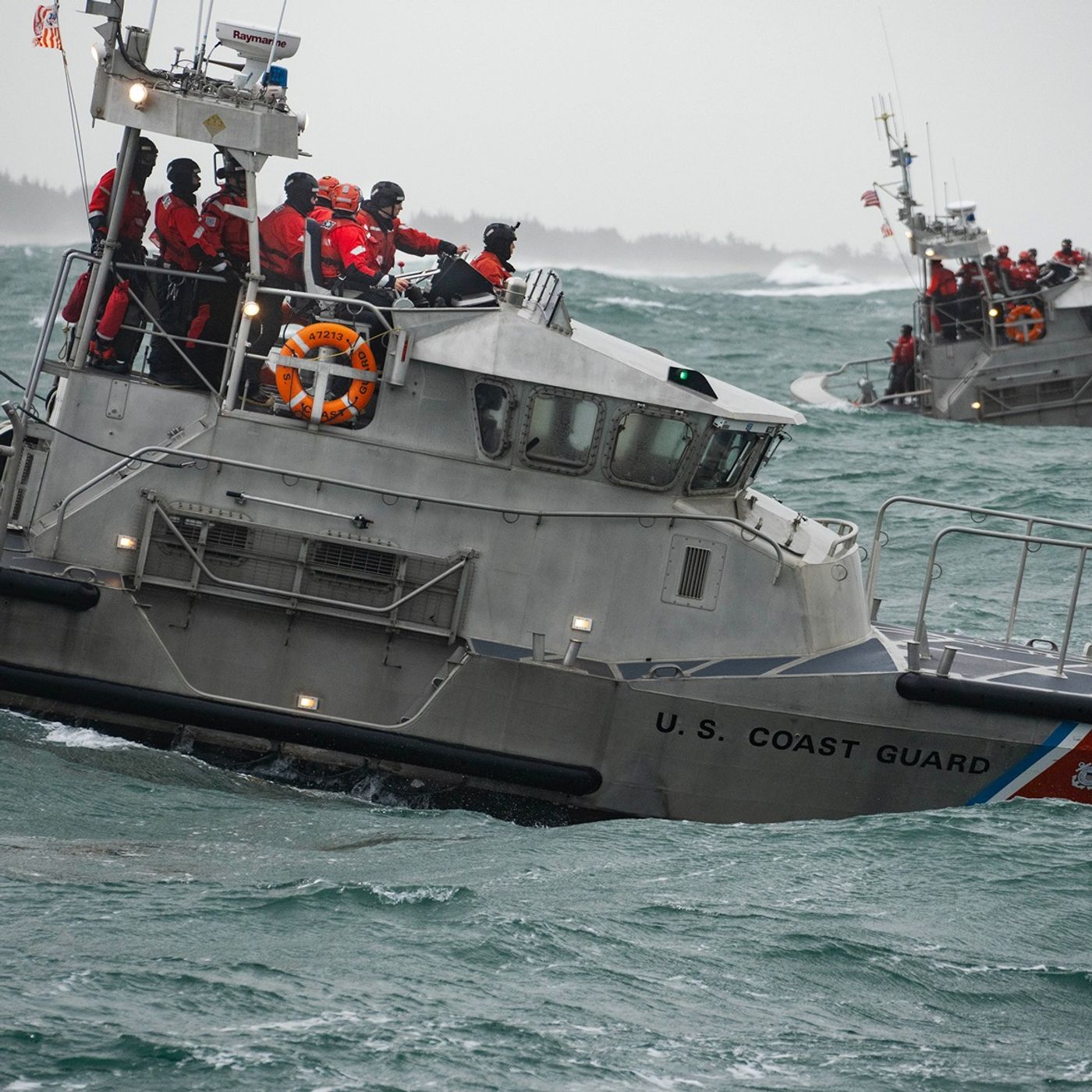
This episode explores the overlooked issue of traumatic brain injuries (TBI) among Coast Guard surfmen, caused by the physical toll of navigating rough seas. It highlights the story of Brett Bonner, a Coast Guard veteran whose struggles with undiagnosed brain trauma led to his tragic death, and his teenage daughter Kaylee’s groundbreaking research that exposed the widespread nature of these injuries.
Notable Quotes
- The force at one end where the feet are planted on the deck is not that much. But by the time the neck jerks, the impact could be the force of a car crash.
— Dave Philipps, on the physics behind brain injuries in surfmen.
- For the longest time, I was just annoyed at my dad for being mad all the time, but he was really just struggling.
— Kaylee Bonner, reflecting on her father’s undiagnosed TBI.
- If it’s out in the open because a teenager pointed it out, then good for her.
— Dave Philipps, on the significance of Kaylee’s research.
🧠 The Hidden Toll of Brain Injuries in the Coast Guard
- Dave Philipps explains how repeated exposure to rough seas can cause brain injuries in surfmen, even without direct head trauma. The whip-like
motion of the body during wave impacts generates forces comparable to car crashes.
- Despite symptoms like memory loss, mood swings, and headaches, these injuries often go undiagnosed, as they mimic PTSD or stress-related conditions.
- The Coast Guard had no formal recognition of this issue until recent investigations.
🌊 Brett Bonner’s Story: A Tragic Case Study
- Brett Bonner, a Coast Guard surfman, endured years of physical and emotional strain, including recovering bodies and navigating dangerous waters.
- His symptoms—headaches, mood changes, and memory loss—worsened over time, culminating in a seizure and eventual suicide.
- Doctors initially misattributed his condition to PTSD, overlooking the cumulative effects of repeated brain trauma.
👩🔬 Kaylee Bonner’s Groundbreaking Research
- Motivated by her father’s death, Kaylee conducted a survey of 77 current and former surfmen as part of a high school research project.
- Her findings revealed that while few surfmen were formally diagnosed with TBI, the majority reported symptoms consistent with brain injuries.
- Her work filled a critical gap in understanding the risks of the surfman role and inspired further investigation.
🔍 The Physics Behind the Damage
- European research on similar boats revealed that the repeated slamming of waves creates forces that ripple through the body, intensifying at the neck and brain.
- Over a career, surfmen may endure thousands of these impacts, leading to cumulative brain damage.
- This discovery underscores the need for systemic changes in boat design, training, and career structures.
⚓ The Coast Guard’s Response and Next Steps
- Surprisingly, the Coast Guard welcomed the findings, acknowledging the need for change.
- Potential solutions include redesigning boats, limiting exposure to rough seas, and implementing better health monitoring for surfmen.
- However, the episode raises concerns about why it took a teenager’s initiative to uncover such a critical issue.
AI-generated content may not be accurate or complete and should not be relied upon as a sole source of truth.
📋 Episode Description
Warning: this episode contains mentions of suicide.
New reporting has found that the impact of rough sea waves on rescue-boat crews in the Coast Guard can lead to long-term effects, including traumatic brain injury.
Dave Philipps, who reports about veterans for The New York Times, explains the significant blind spot in the Coast Guard and talks about how a teenager helped expose this widespread danger.
Guest: Dave Philipps, who reports about war, the military and veterans for The New York Times.
Background reading:
- Rescue-boat crews show signs of brain injuries.
- After an article by The Times, the Coast Guard vowed to protect crews from brain injuries caused by rough seas.
Photo: Ruth Fremson/The New York Times
For more information on today’s episode, visit nytimes.com/thedaily. Transcripts of each episode will be made available by the next workday.
Subscribe today at nytimes.com/podcasts or on Apple Podcasts and Spotify. You can also subscribe via your favorite podcast app here https://www.nytimes.com/activate-access/audio?source=podcatcher. For more podcasts and narrated articles, download The New York Times app at nytimes.com/app.
Hosted by Simplecast, an AdsWizz company. See pcm.adswizz.com for information about our collection and use of personal data for advertising.