
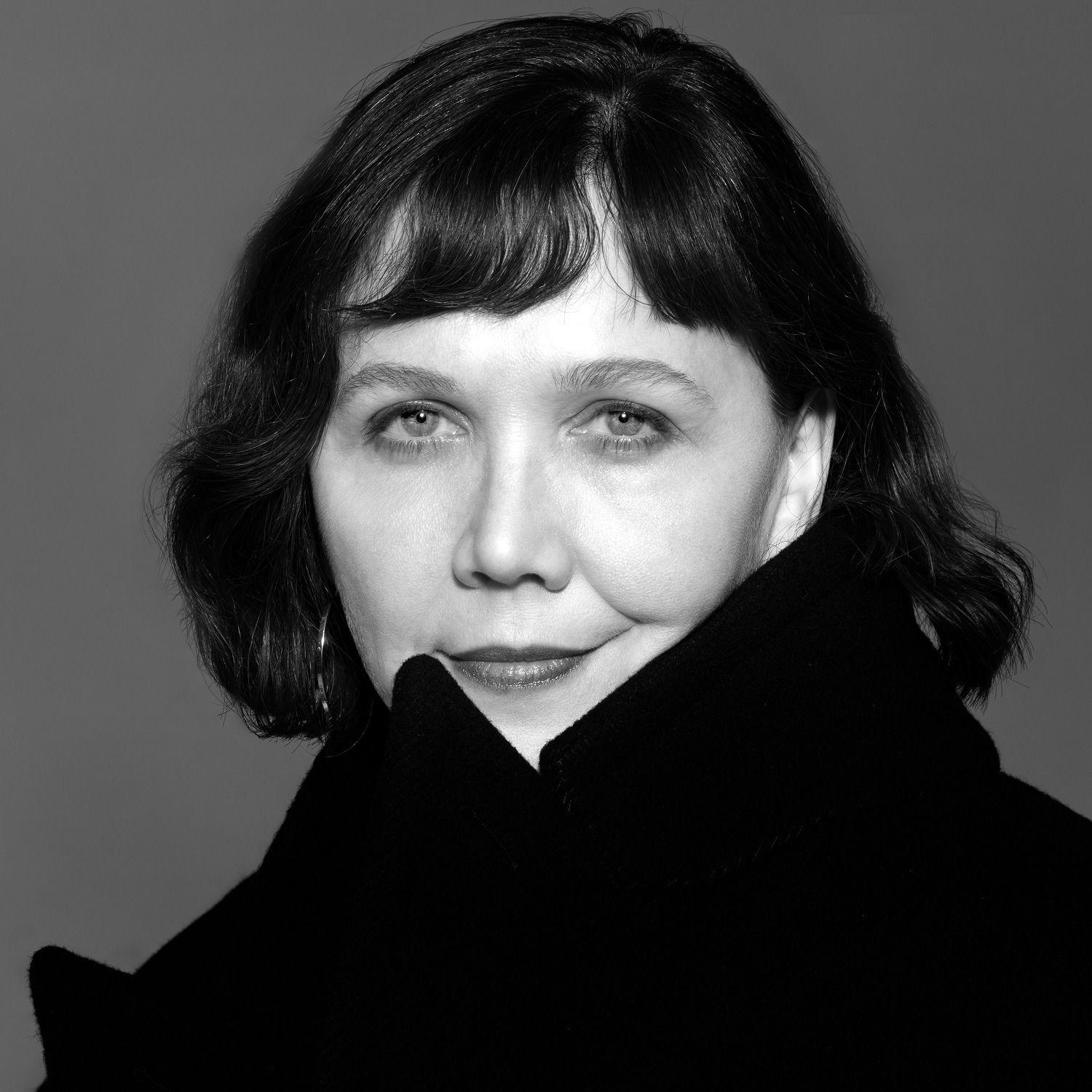
'The Interview': Maggie Gyllenhaal Thinks Hollywood Likes Women to Direct ‘Little Movies’

🤖 AI Summary
Overview
Maggie Gyllenhaal discusses her journey as a filmmaker, her creative process behind her latest film The Bride, and her exploration of themes like female rage, sexual violence, and societal expectations. She reflects on her experiences in Hollywood, the challenges of directing a big-budget film, and the dynamics of working with family.
Notable Quotes
- We can spend our lives running from those truly monstrous aspects of ourselves, or we can turn around and shake hands with them.
– Maggie Gyllenhaal, on the enduring appeal of Frankenstein.
- Rage is an umbrella emotion. What's underneath it is usually very, very vulnerable.
– Maggie Gyllenhaal, on the complexity of female rage.
- I naively believed that if I was honest enough and excellent enough, everybody would love it. That is just not ever going to be true.
– Maggie Gyllenhaal, on embracing criticism.
🎥 The Creative Evolution of Maggie Gyllenhaal
- Gyllenhaal credits her role in The Deuce as pivotal in realizing her desire to direct.
- She describes the fear and self-doubt she faced before committing to direct The Bride, a project she initially considered handing off to another director.
- Her approach to The Bride was inspired by the cultural mythology of Frankenstein and the untapped potential of the Bride of Frankenstein character, who she felt was historically silenced.
🧟♀️ Reimagining The Bride of Frankenstein
- Gyllenhaal was drawn to the idea of exploring the monstrous aspects
within all of us and confronting them.
- She sought to create a film that combined pop-level accessibility with deeper, untold truths, similar to her work on The Lost Daughter.
- The film includes visceral violence and sexual violence, which she defends as necessary to reflect cultural realities, though she acknowledges the difficulty of watching such scenes.
🔥 Female Rage and Vulnerability
- Gyllenhaal identifies rage as a recurring theme in her work, emphasizing its connection to vulnerability and the desire to be heard.
- She reflects on how women’s rage is often dismissed or misunderstood, and how her films aim to explore the layers beneath it.
- Her teacher’s advice about rage being an umbrella emotion
deeply influenced her perspective on storytelling.
🎬 Navigating Hollywood as a Female Director
- Gyllenhaal discusses the challenges of working within the studio system, including compromises on creative vision.
- She highlights the rarity of women being trusted with big-budget films, noting that Hollywood is more comfortable with women directing little movies.
- Despite these challenges, she credits Warner Brothers executive Pam Abdi for helping refine The Bride without diluting its core vision.
👨👩👧👦 Family Dynamics in Filmmaking
- Gyllenhaal reflects on directing her brother, Jake, in a cameo role, describing it as a vulnerable and meaningful collaboration that strengthened their bond.
- She shares the complexities of working with her husband, Peter Sarsgaard, on projects like The Lost Daughter, where she had to balance personal emotions with professional direction.
- Her family’s filmmaking legacy, including her parents’ collaborations, has shaped her understanding of the challenges and rewards of working with loved ones.
AI-generated content may not be accurate or complete and should not be relied upon as a sole source of truth.
📋 Episode Description
With a big budget and a lot to say, the filmmaker is unleashing her inner monster with “The Bride!”
- Thoughts? Email us at [email protected]
- Watch our show on YouTube: youtube.com/@TheInterviewPodcast
- For transcripts and more, visit: nytimes.com/theinterview
Subscribe today at nytimes.com/podcasts or on Apple Podcasts and Spotify. You can also subscribe via your favorite podcast app here https://www.nytimes.com/activate-access/audio?source=podcatcher. For more podcasts and narrated articles, download The New York Times app at nytimes.com/app.
Hosted by Simplecast, an AdsWizz company. See pcm.adswizz.com for information about our collection and use of personal data for advertising.