

🤖 AI Summary
Overview
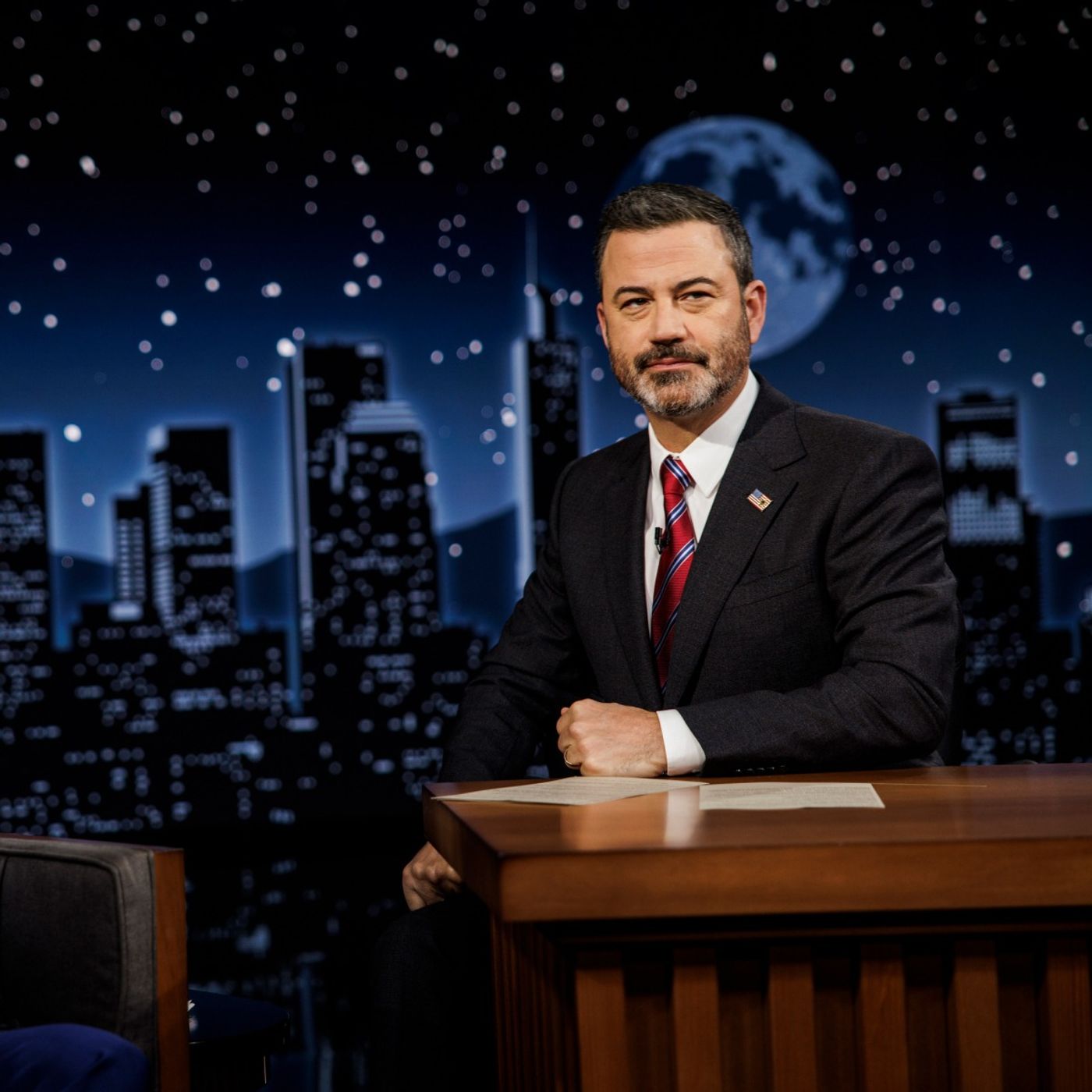
This episode delves into the suspension of late-night host Jimmy Kimmel following his controversial remarks about the assassination of Charlie Kirk. The discussion explores the intersection of free speech, government influence, and the evolving dynamics of cancel culture
in a polarized America.
Notable Quotes
- The statement from Brendan Carr is pretty darn close to coercion, as the Supreme Court would see it.
– Adam Liptak, on the FCC's veiled threats against broadcasters.
- The goal of the MAGA movement is not to unite, but to win.
– Jeremy W. Peters, quoting Steve Bannon on the political strategy behind free speech battles.
- What journalism isn’t happening because people are fearful? How much self-censorship is there right now?
– Jim Rutenberg, on the chilling effect of government and cultural pressures on media.
🎙️ The Suspension of Jimmy Kimmel
- Jim Rutenberg explains that Kimmel was suspended after criticizing the political response to Charlie Kirk's assassination, sparking backlash from conservative groups.
- FCC Commissioner Brendan Carr issued a veiled threat to broadcasters, implying potential consequences for airing Kimmel’s show.
- The suspension highlights the rare use of government power to influence speech, drawing comparisons to Nixon-era tactics.
⚖️ Legal Boundaries of Free Speech and Government Coercion
- Adam Liptak outlines key Supreme Court cases that define the line between persuasion and coercion by government officials.
- Brendan Carr’s statements are seen as testing this boundary, with potential First Amendment violations.
- Historical parallels include Nixon’s pressure on TV stations and recent controversies over government influence on social media content.
📱 Social Media, Free Speech, and Political Contradictions
- Jeremy W. Peters recounts conservative outrage over perceived censorship by social media platforms during the Biden administration, including the Hunter Biden laptop story and COVID misinformation.
- Conservatives, traditionally opposed to government intervention, now advocate for regulatory action in cases like Kimmel’s suspension, revealing a shift in ideology.
- The rise of free speech absolutists
like Elon Musk underscores the tension between open platforms and content moderation.
🔥 The Evolution of Cancel Culture and Consequence Culture
- Conservatives, once critical of cancel culture, have embraced consequence culture
to justify actions like Kimmel’s suspension.
- Jim Rutenberg notes the shift in rhetoric, with conservatives framing punitive actions as necessary consequences rather than censorship.
- This has led to accusations of hypocrisy from the left, further polarizing the debate over free speech.
📰 Media Self-Censorship and Legal Intimidation
- The lawsuit filed by Donald Trump against The New York Times raises concerns about the chilling effect on smaller media outlets.
- Jim Rutenberg and Adam Liptak discuss how fear of litigation or government retaliation may lead to self-censorship, particularly for under-resourced organizations.
- Larger outlets may also hesitate to publish controversial stories, despite strong legal protections for the press.
AI-generated content may not be accurate or complete and should not be relied upon as a sole source of truth.
📋 Episode Description
The aftermath of Charlie Kirk’s assassination and the suspension of late-night host Jimmy Kimmel are creating concerns and conversations about the state of free speech in the United States.
Rachel Abrams, Jim Rutenberg, Jeremy W. Peters and Adam Liptak, all journalists for The New York Times, discuss Mr. Kimmel’s removal and why the action is provoking fears and applause from different camps of a polarized country.
Guest:
- Jim Rutenberg, a writer at large for The New York Times and The New York Times Magazine.
- Jeremy W. Peters, a national reporter for The New York Times who focuses on free speech and the politics of higher education.
- Adam Liptak, who covers the Supreme Court and writes Sidebar, a column on legal developments, for The New York Times.
Background reading:
- The Trump administration has wielded its full toolbox to bring media to heel.
- What to know about “hate speech” and the First Amendment.
- In Charlie Kirk killing, finger pointing began before the evidence was in.
For more information on today’s episode, visit nytimes.com/thedaily. Transcripts of each episode will be made available by the next workday.
Photo: Samuel Corum for The New York Times
Unlock full access to New York Times podcasts and explore everything from politics to pop culture. Subscribe today at nytimes.com/podcasts or on Apple Podcasts and Spotify.