

🤖 AI Summary
Overview
This episode explores the economic ripple effects of the ongoing war in Iran, focusing on its impact on energy prices, wage growth, and consumer behavior. It also delves into the challenges faced by historic New England country stores and their innovative strategies for survival.
Notable Quotes
- The black unemployment rate is always a canary in the coal mine when it comes to this economy.
— Jordan Holman, on economic disparities.
- To figure out the price three or six months from now is really a mathematical abstraction.
— Tom Kloza, on the unpredictability of crude oil markets.
- Cheaper natural gas prices are a silver lining as consumers here grapple with higher diesel, gasoline, and jet fuel costs.
— Elizabeth Trovall, on the U.S. natural gas market.
🛠️ The Job Market and Wage Growth
- Heather Long described the U.S. job market as frozen,
with unemployment stuck between 4.2% and 4.5%. While March saw 178,000 new jobs, 400,000 people—many in their early 20s—left the labor force.
- Wage growth is slowing, with hourly wages increasing just 0.2% month-over-month, the slowest pace in five years. Economists like Courtney Shupert warn that rising inflation is eroding purchasing power, particularly for essentials like food and gas.
- Jordan Holman highlighted the K-shaped recovery,
where higher-income households continue spending, while lower-income families are forced to cut back on discretionary expenses like dining out.
🛢️ Energy Market Turmoil
- The war in Iran has caused a global oil shock, driving U.S. gasoline prices to $4.09 per gallon and crude oil to $111 per barrel. Tom Kloza noted that physical oil prices are even higher than futures prices, with some spot prices reaching $142 per barrel.
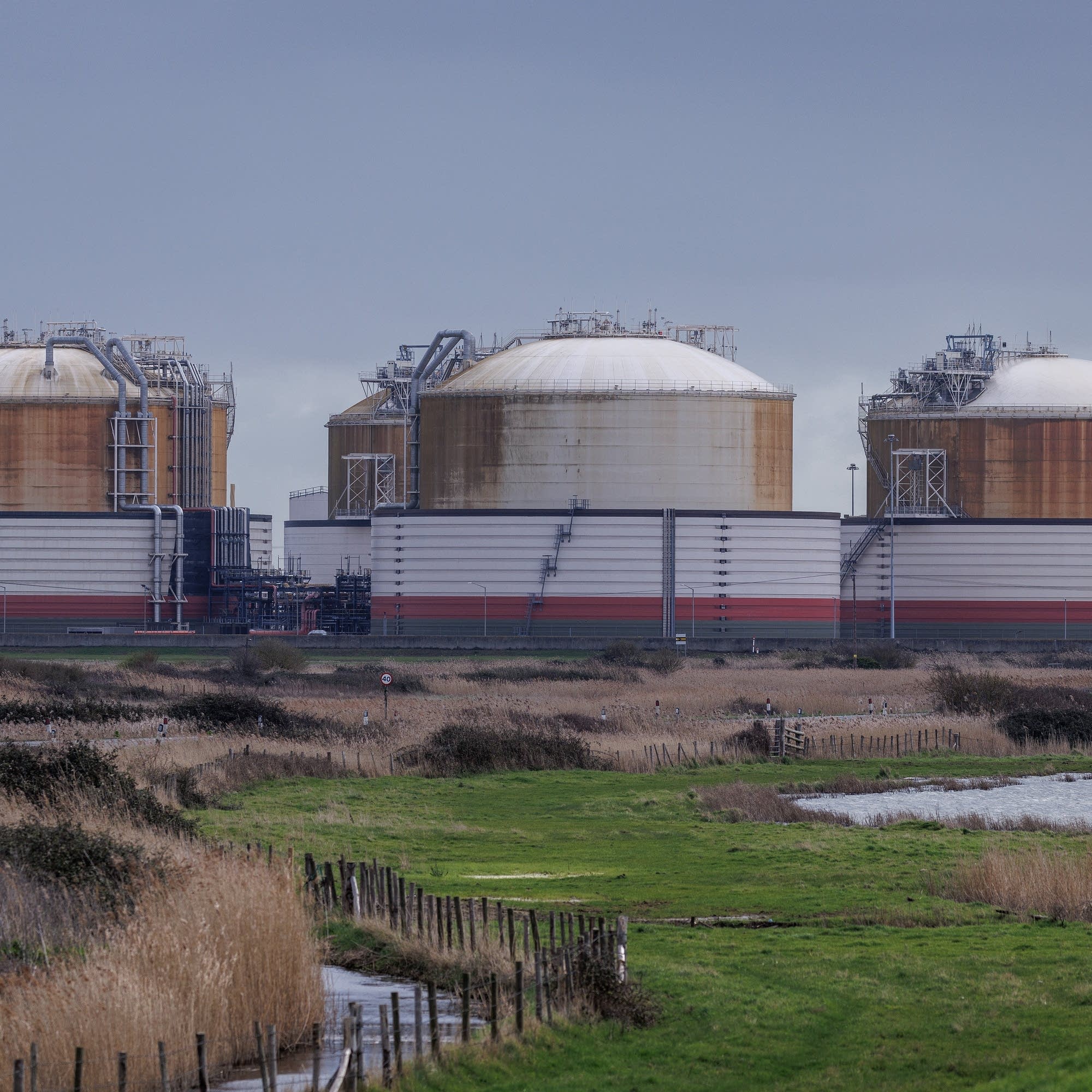
- Natural gas prices in the U.S. remain stable due to limited liquefaction infrastructure, which restricts exports. This insulates the domestic market from the global natural gas crisis affecting Europe and Asia, as explained by Elizabeth Trovall.
🏪 Reinventing New England Country Stores
- Iconic New England country stores are adapting to modern economic realities. Beth Richards, owner of the Barrel and Basket, has introduced meal kits and online ordering to stay competitive.
- Some stores, like the Harrisville General Store, have transitioned to nonprofit models, relying on community fundraising to break even.
- New owners like Damaris Graham are banking on the enduring appeal of local convenience and community connection to revive shuttered stores.
🚀 SpaceX IPO and Ethical Concerns
- SpaceX's upcoming IPO has raised eyebrows due to Elon Musk requiring participating banks and firms to purchase subscriptions to his AI chatbot, Grok, at significant costs. Kai Ryssdal described this practice as icky,
questioning its ethics.
🍬 Record Easter Spending Amid Economic Uncertainty
- Despite economic pressures, U.S. consumers are expected to spend a record $24.9 billion on Easter, averaging $195 per person. This highlights the resilience of consumer spending, even in uncertain times.
AI-generated content may not be accurate or complete and should not be relied upon as a sole source of truth.
📋 Episode Description
The war with Iran has driven up the price of gas — as in, the gas we put in our cars. But what about natural gas, like the kind we use to heat and cool our homes? The U.S. is pretty well insulated from a natural gas price spike. Countries across Europe and Asia ... not so much. Also in this episode: Wage growth slows as the economy adds jobs, historic New England country stores pivot to stay afloat, and crude oil futures look a bit funky right now.
Every story has an economic angle. Want some in your inbox? Subscribe to our daily or weekly newsletter.
Marketplace is more than a radio show. Check out our original reporting and financial literacy content at marketplace.org — and consider making an investment in our future.