

🤖 AI Summary
Overview
This episode delves into the complex history of U.S.-Iran relations, tracing how the two nations transitioned from close allies to bitter adversaries. Through the lens of the 1979 Iranian Revolution, Scott Anderson explores the pivotal role the United States played in shaping Iran's political trajectory, the rise of anti-American sentiment, and the enduring consequences of these events.
Notable Quotes
- It wasn’t like going into a house and opening the wrong door. It was like going into a house and opening 43 wrong doors in a row.
– Scott Anderson, on the series of missteps leading to the Iranian Revolution.
- What American president has ever turned to another head of state and said, ‘Protect me’?
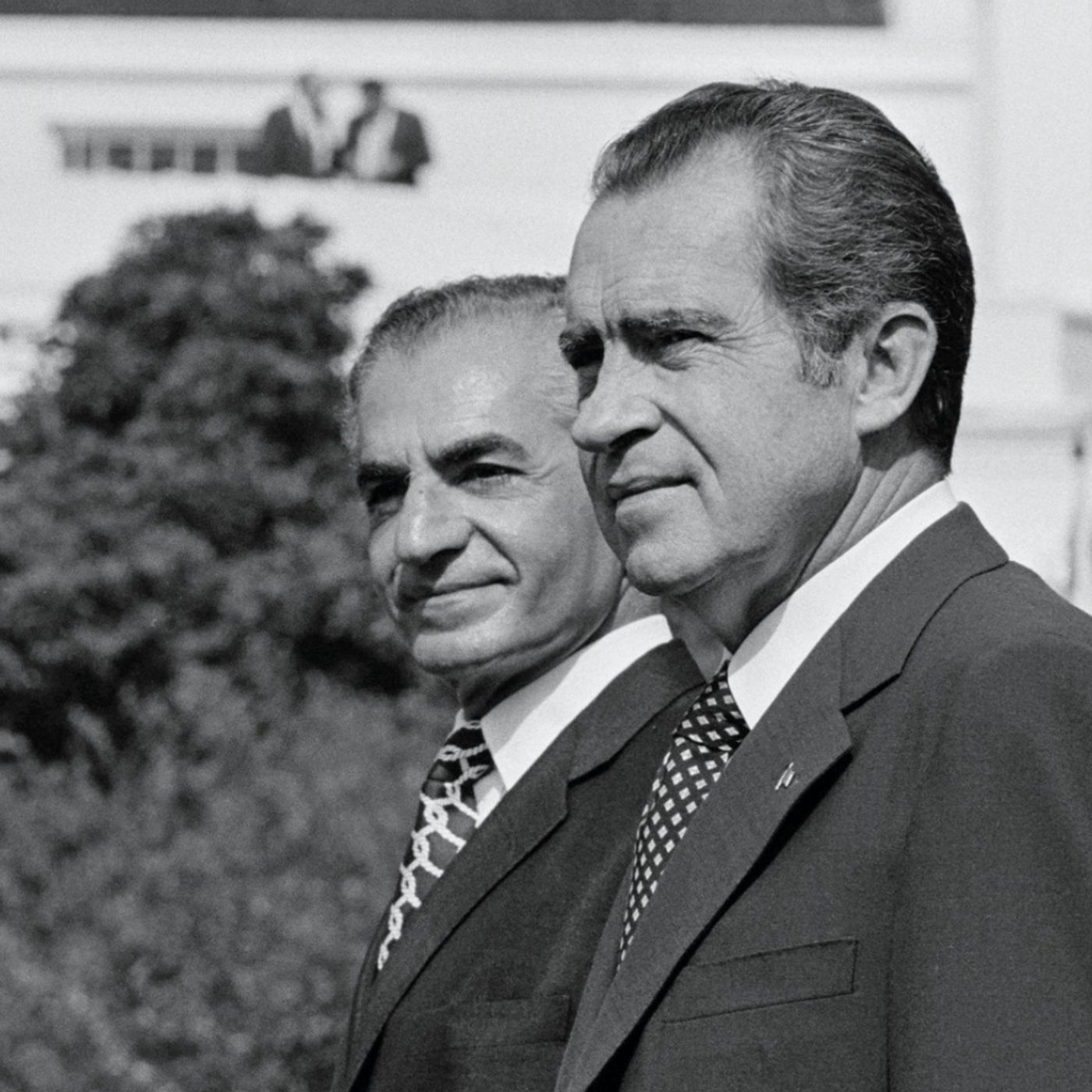
– Scott Anderson, on the extraordinary dynamic between Nixon and the Shah.
- I think they know less about Iran today than they did in 1978.
– Scott Anderson, on the U.S.'s continued misunderstanding of Iran.
🇮🇷 The U.S.-Iran Alliance: From Affection to Dependency
- In the mid-20th century, Iran was a key U.S. ally, with deep economic and military ties. The Shah of Iran, Mohammad Reza Pahlavi, sought to modernize and Westernize the country.
- The 1953 CIA-backed coup against Prime Minister Mohammad Mosaddegh marked a turning point, cementing the Shah’s dependence on the U.S. and fueling resentment among Iranians.
- The Shah’s embrace of Western culture and reforms, such as the White Revolution, alienated conservative clerics and rural populations, sowing seeds of discontent.
🛑 The Nixon Doctrine and the Shah’s Blank Check
- In 1972, President Nixon and Henry Kissinger granted the Shah unprecedented military support, allowing him to purchase any U.S. weapon system short of nuclear arms.
- This carte blanche emboldened the Shah’s ambitions but also deepened his detachment from the realities of his own country.
- The Shah’s extravagant spending, including a lavish celebration of Iran’s imperial history, further alienated the impoverished majority and fueled anti-Western sentiment.
🔥 The Cultural and Economic Divide
- By the 1970s, Iran was starkly divided: urban centers embraced Western lifestyles, while rural areas remained deeply traditional and religious.
- The Shah’s rapid modernization efforts, funded by soaring oil revenues, led to hyperinflation, housing shortages, and a growing underclass in urban shantytowns.
- This cultural and economic disparity created fertile ground for revolutionary fervor, particularly among disaffected rural migrants and conservative clerics.
📉 U.S. Missteps and the Blind Eye to Revolution
- Despite having one of the largest diplomatic and intelligence presences in Iran, U.S. officials failed to grasp the growing unrest.
- The Shah’s insistence on isolating American diplomats from opposition figures created an echo chamber, leaving the U.S. blind to the brewing revolution.
- Even as protests escalated in 1978, the U.S. underestimated the severity of the crisis, assuming the Shah’s military and secret police could maintain control.
⏳ The Fall of the Shah and the Rise of Khomeini
- The Shah’s refusal to enact meaningful reforms or use force decisively led to his downfall. By January 1979, he fled Iran, leaving a power vacuum.
- Ayatollah Khomeini returned from exile to lead the Islamic Revolution, establishing a theocratic regime that rejected Western influence.
- The U.S.’s failure to understand Iran’s internal dynamics contributed to the rise of a government fundamentally opposed to American interests, setting the stage for decades of hostility.
AI-generated content may not be accurate or complete and should not be relied upon as a sole source of truth.
📋 Episode Description
At the heart of the current U.S. war against Iran is an inconvenient truth: that the United States is, in many ways, responsible for creating the very regime it now seeks to topple.
Today, Scott Anderson, a New York Times Magazine contributor, tells the story of America’s outsize role in the Islamic Revolution, and why all these years later we’re still no closer to understanding Iran.
Guest: Scott Anderson, a contributing writer for The New York Times Magazine.
Background reading: It has been a trying time for the Islamic republic of Iran.
Photo: George Tames/The New York Times
For more information on today’s episode, visit nytimes.com/thedaily. Transcripts of each episode will be made available by the next workday.
Subscribe today at nytimes.com/podcasts or on Apple Podcasts and Spotify. You can also subscribe via your favorite podcast app here https://www.nytimes.com/activate-access/audio?source=podcatcher. For more podcasts and narrated articles, download The New York Times app at nytimes.com/app.
Hosted by Simplecast, an AdsWizz company. See pcm.adswizz.com for information about our collection and use of personal data for advertising.