

🤖 AI Summary
Overview
This episode explores the economic ripple effects of rising crude oil prices, the challenges faced by corporations with low credit ratings amid increasing borrowing costs, and the impact of innovation-based pricing
on consumer goods. It also delves into the struggles of independent auto mechanics in the face of advancing car technology and a labor shortage, and investigates why Reese's cups don’t taste the same anymore.
Notable Quotes
- It's no longer about the consumer experience. It's about these companies saying, how can we make this for the cheapest amount possible?
- Rachel Handler, on changes to Reese's recipe.
- If you need money and you can't borrow it, you're in trouble.
- Drew Pasquarella, on the challenges faced by companies with low credit ratings.
- With innovation-based pricing, customers feel like they're getting something new for their money, even while they're doing an old chore, like laundry.
- Tal Gross, on Procter & Gamble's pricing strategy.
🌍 Rising Crude Oil Prices and Global Economic Risks
- The IMF warns of heightened risks to the global economy due to rising crude oil prices and dwindling emergency stockpiles.
- Increased tensions in the Middle East and potential disruptions in oil shipments through the Strait of Hormuz are driving up costs.
- Energy advisor Tom Kloza highlights the skyrocketing cost of transporting crude oil, which has risen from $2–$3 per barrel to $35–$40.
- Higher oil prices are expected to sustain inflation, impacting fuel costs and potentially driving up prices for transportation, food, and manufactured goods.
📈 Corporate Debt and Rising Borrowing Costs
- Companies with low credit ratings, often referred to as junk bonds,
are facing surging borrowing costs as interest rates rise.
- Drew Pasquarella explains that firms with high debt or exposure to volatile industries like energy are particularly vulnerable.
- Rising rates on high-yield debt are creating a vicious cycle: companies struggle to pay off debt, leaving less capital for innovation and operations, which further increases their risk of default.
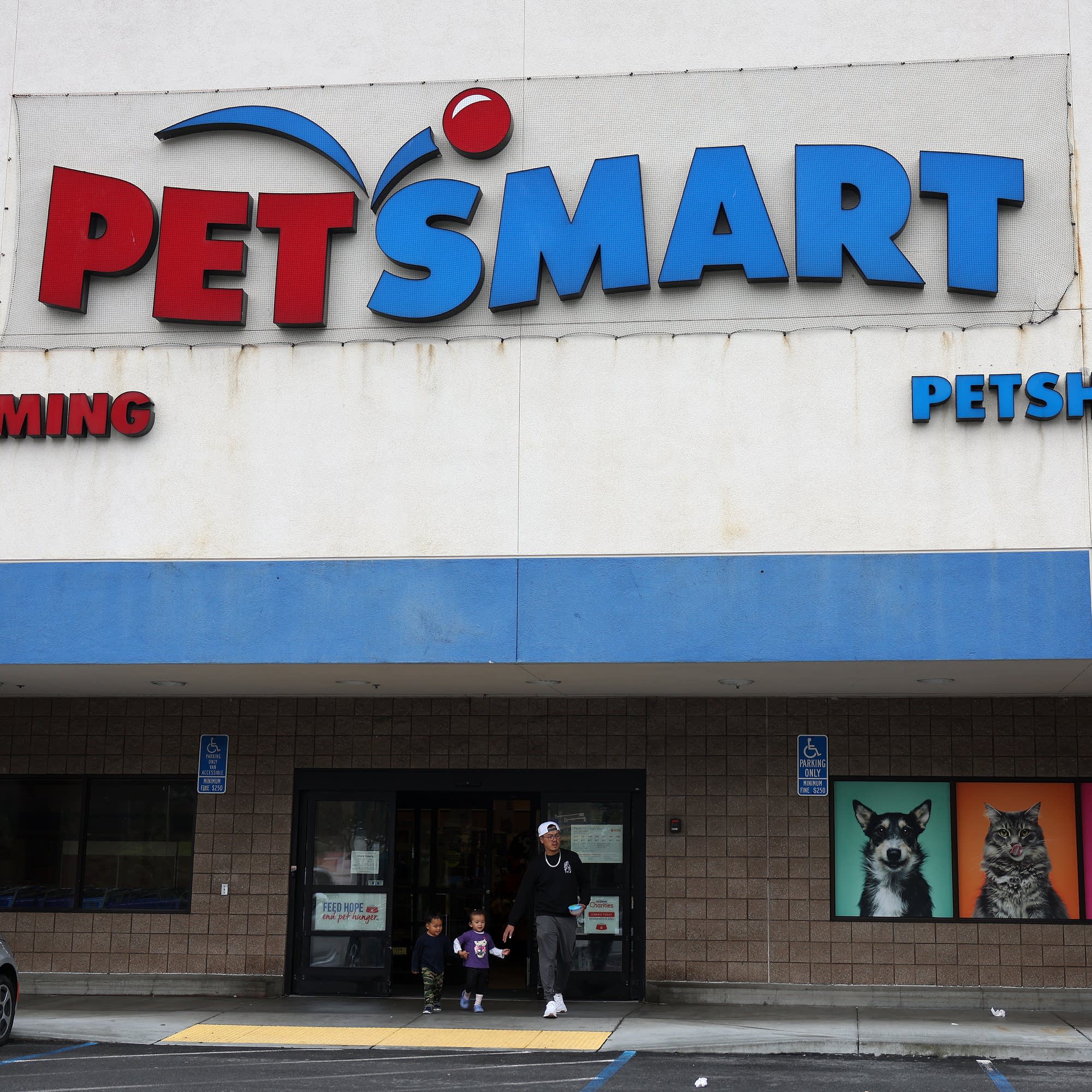
- Retailers like PetSmart and Guitar Center are among those struggling with these financial pressures.
🧼 Procter & Gamble’s “Innovation-Based Pricing”
- P&G attributes its 4% sales growth to innovation-based pricing,
introducing new, higher-priced versions of existing products.
- Examples include the evolution of Tide detergent from powder to liquid, to pods, and now to Tide Evo, a super-concentrated detergent tile.
- Stephane Liozhu, a pricing consultant, notes that over 20% of Fortune 500 companies have dedicated pricing teams to optimize strategies.
- Unlike shrinkflation,
innovation-based pricing gives consumers the perception of added value, even for routine tasks like laundry.
🚗 Challenges for Independent Auto Mechanics
- The auto repair industry faces a shortage of 37,000 trained technicians annually, compounded by the increasing complexity of modern, tech-integrated vehicles.
- Many independent mechanics, like Charlie Cellino, struggle to afford the expensive software tools required to repair newer cars, which can cost up to $20,000.
- Some manufacturers restrict access to proprietary software, forcing customers to rely on dealerships for certain repairs.
- The high cost of tools and limited opportunities for skill growth deter younger workers from entering the profession.
🍫 The Changing Taste of Reese’s Cups
- Rachel Handler investigates why Reese’s cups taste different, uncovering that Hershey’s has altered the recipe to cut costs, substituting cocoa butter with cheaper vegetable oils.
- FDA regulations allow such changes as long as the product is labeled chocolatey
rather than chocolate.
- Brad Reese, grandson of the Reese’s founder, has become a vocal critic of the changes, likening himself to a whistleblower
for the brand.
- Handler’s taste test of original and modern Reese’s recipes revealed how consumer nostalgia and evolving formulations shape perceptions of taste.
AI-generated content may not be accurate or complete and should not be relied upon as a sole source of truth.
📋 Episode Description
Everyday consumers aren’t the only ones contending with rising borrowing costs. Corporations are also subject to those fluctuations — but the rates don’t rise equally across the board. In this episode, why companies with the corporate equivalent of low credit scores are seeing extra-high borrowing costs right now. Also in this episode: Rising crude oil prices spell trouble for sustained inflation, P&G raises sales with “innovation-based pricing,” and independent mechanics struggle to repair newer tech-integrated cars.
Every story has an economic angle. Want some in your inbox? Subscribe to our daily or weekly newsletter.
Marketplace is more than a radio show. Check out our original reporting and financial literacy content at marketplace.org — and consider making an investment in our future.
Read the stories in today’s episode:
- How rising crude oil prices could impact the U.S. and global economy
- "Innovation-based pricing": new versions of old products at higher prices
- Rising rates are stressing out the riskiest companies
- This CPA quit, then did one fun thing every day of her job hunt
- Has the recipe for Reese's changed? It depends on how you define 'change'
- Independent garages juggle mechanic shortage and computerized autos