
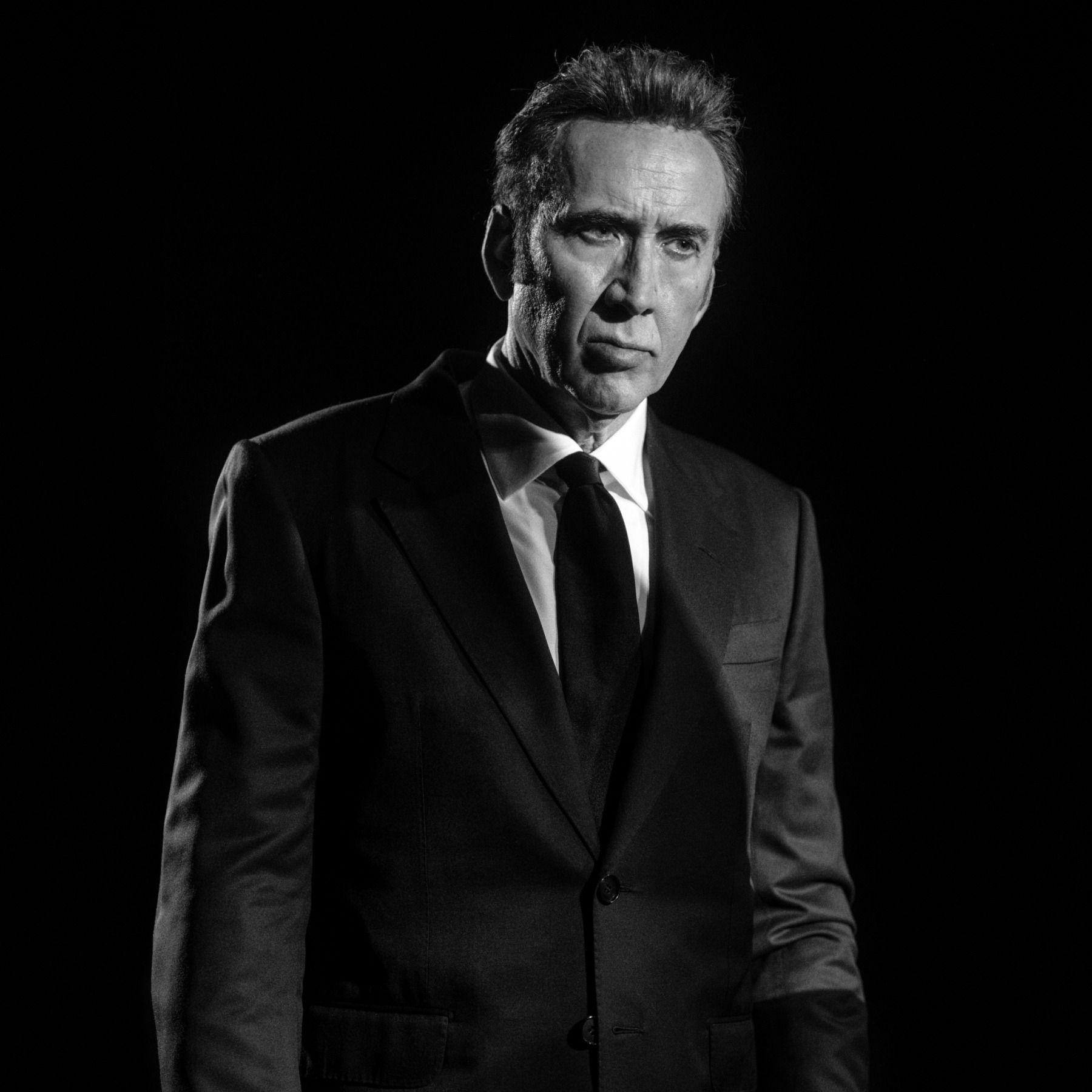
Nicolas Cage Made Himself a Legend. Then He Had to Live With It.

🤖 AI Summary
Overview
Nicolas Cage reflects on his career, artistic philosophy, and personal evolution, offering insights into his unconventional acting choices, his relationship with fame, and his approach to life and creativity. The conversation spans his early inspirations, his willingness to embrace risk, and his thoughts on the cultural phenomenon of being memed.
Notable Quotes
- Sometimes you have to allow your psyche to embrace that dark corner of your mind.
– Nicolas Cage, on the emotional risks of acting.
- I wanted to cultivate a mystique, an aura, an enigmatic presence... but I didn’t know it would go this far.
– Nicolas Cage, on the mythology surrounding his persona.
- The TV was the savior of my childhood. The people in that TV were far more interesting to me than the people in my living room.
– Nicolas Cage, on his early inspiration to become an actor.
🎭 The Art of Risk in Acting
- Cage discusses his philosophy of embracing emotional and psychological discomfort to deliver authentic performances, citing Bad Lieutenant as an example of going to dark corners
to convey truth.
- He recalls using real-world events, like a tragic news story, to channel intense emotions for his role in Joe.
- Cage finds it more challenging to portray joy and humor than darker emotions, requiring him to compartmentalize and act from the spinal cord.
🌀 Embracing Negative Reactions and Unconventional Choices
- Cage reflects on his willingness to provoke strong, even negative, reactions, as seen in Peggy Sue Got Married, where he deliberately adopted a cartoonish voice and appearance.
- He cites Francis Bacon’s idea that capturing truth often involves distorting the image, which influenced his performances in Raising Arizona and Vampire’s Kiss.
- Cage’s art synthesis
approach involves pulling inspiration from diverse sources like Warhol, Bruce Lee, and Stockhausen, blending them into his acting.
🕷️ Spider Noir and the Collision of Pop Art and Classic Cinema
- Cage explains his vision for Spider Noir, blending reverence for classic noir actors like Bogart with the mass appeal of Spider-Man.
- He hopes the show’s black-and-white format will inspire younger audiences to explore classic cinema.
- His performance was designed to fit the noir aesthetic, incorporating elements like shadowy dialogue delivery and a Howard Hawks-inspired cadence.
📺 Television as a Lifelong Influence
- Cage credits television as a formative influence, describing it as an escape from a turbulent childhood. Shows like McMillan & Wife and The Twilight Zone inspired his early desire to act.
- He views his foray into television with Spider Noir as a full-circle moment, honoring the medium that shaped him.
🌐 Memes, Mythology, and the Price of Fame
- Cage reflects on the memification
of his performances, such as the Vampire’s Kiss You Don’t Say
meme, seeing it as both flattering and reductive.
- He acknowledges that his early goal of cultivating a personal mythology has had unintended consequences, including being perceived as larger-than-life.
- Despite the challenges, he believes his meme status has kept him culturally relevant, though he laments the loss of deeper engagement with his full performances.
AI-generated content may not be accurate or complete and should not be relied upon as a sole source of truth.
📋 Episode Description
The iconic actor on his thrillingly risky choices, on screen and off, and becoming a meme.
- Thoughts? Email us at [email protected]
- Watch our show on YouTube: youtube.com/@TheInterviewPodcast
- For transcripts and more, visit: nytimes.com/theinterview
Subscribe today at nytimes.com/podcasts or on Apple Podcasts and Spotify. You can also subscribe via your favorite podcast app here https://www.nytimes.com/activate-access/audio?source=podcatcher. For more podcasts and narrated articles, download The New York Times app at nytimes.com/app.
Hosted by Simplecast, an AdsWizz company. See pcm.adswizz.com for information about our collection and use of personal data for advertising.