

🤖 AI Summary
Overview
This episode explores the political and economic transformation of college graduates in America, focusing on how unmet expectations, rising debt, and economic instability have driven this group toward left-wing populism. Noam Scheiber, author of Mutiny: The Rise and Revolt of the College-Educated Working Class,
discusses the historical, economic, and cultural forces behind this shift and its implications for class politics in the U.S.
Notable Quotes
- It was literally easier for me to become the youngest woman in American history elected to Congress than it is to pay off my student loan debt.
– Alexandria Ocasio-Cortez, on the burden of student loans.
- These folks really thought their companies had their best interest at heart. Now, they're lashing out in ways I've never seen.
– Noam Scheiber, on the radicalizing effect of AI on white-collar workers.
- Why are other people getting bailed out, and I'm stuck with college loans?
– Occupy Wall Street protester, highlighting the frustration of indebted graduates.
🎓 The Political Shift of College Graduates
- In the 1980s and 1990s, college graduates leaned conservative, favoring smaller government and lower taxes.
- By the 2010s, this group shifted left, supporting progressive candidates like Bernie Sanders and Alexandria Ocasio-Cortez.
- Economic disillusionment, including stagnant wages and student debt, has driven this transformation.
📈 The Rise of College as a Can't-Lose
Asset—and Its Decline
- A national push for higher education began in the 1980s, with leaders like Bill Clinton and Barack Obama emphasizing college as essential for economic success.
- By 2010, 30% of Americans held four-year degrees, up from 10% in 1970.
- However, the proliferation of for-profit and non-competitive universities diluted the value of degrees, leaving many graduates underemployed and burdened by debt.
💰 Economic Crises and the Rise of Populism
- The 2008 financial crisis hit young college grads particularly hard, with high unemployment and crushing debt.
- Government bailouts for Wall Street, contrasted with a lack of relief for individuals, fueled anger and populist movements like Occupy Wall Street.
- This era marked a shift in college grads’ self-perception—from aspiring elites to exploited workers.
🏥 Consolidation and Worker Disempowerment
- Industry consolidation, particularly in healthcare, has reduced job options and wages for workers, including highly educated professionals like doctors.
- Many white-collar workers now feel like cogs in a machine,
alienated by bureaucratic systems and corporate micromanagement.
🤖 AI and the Future of White-Collar Work
- The rise of AI is exacerbating feelings of powerlessness among white-collar workers, including lawyers, tech employees, and marketers.
- Workers are increasingly radicalized as they see their roles threatened by automation and corporate cost-cutting.
- This dynamic could deepen the divide between the ultra-wealthy and the rest of society, further fueling populist sentiment.
AI-generated content may not be accurate or complete and should not be relied upon as a sole source of truth.
📋 Episode Description
College graduates used to lean right politically, but over the past few decades, they have increasingly moved to the left.
Today, Noam Scheiber, the author of “Mutiny: The Rise and Revolt of the College-Educated Working Class,” explains the economic forces that have left many college grads deeply indebted, underpaid and angry, and also how their unmet expectations are reshaping class politics in America.
Guest: Noam Scheiber, a reporter for The New York Times based in the Chicago area who focuses on white-collar workers.
Background reading: College graduates feel betrayed, and their anger goes far beyond the recent rise of unemployment and the looming threat of artificial intelligence.
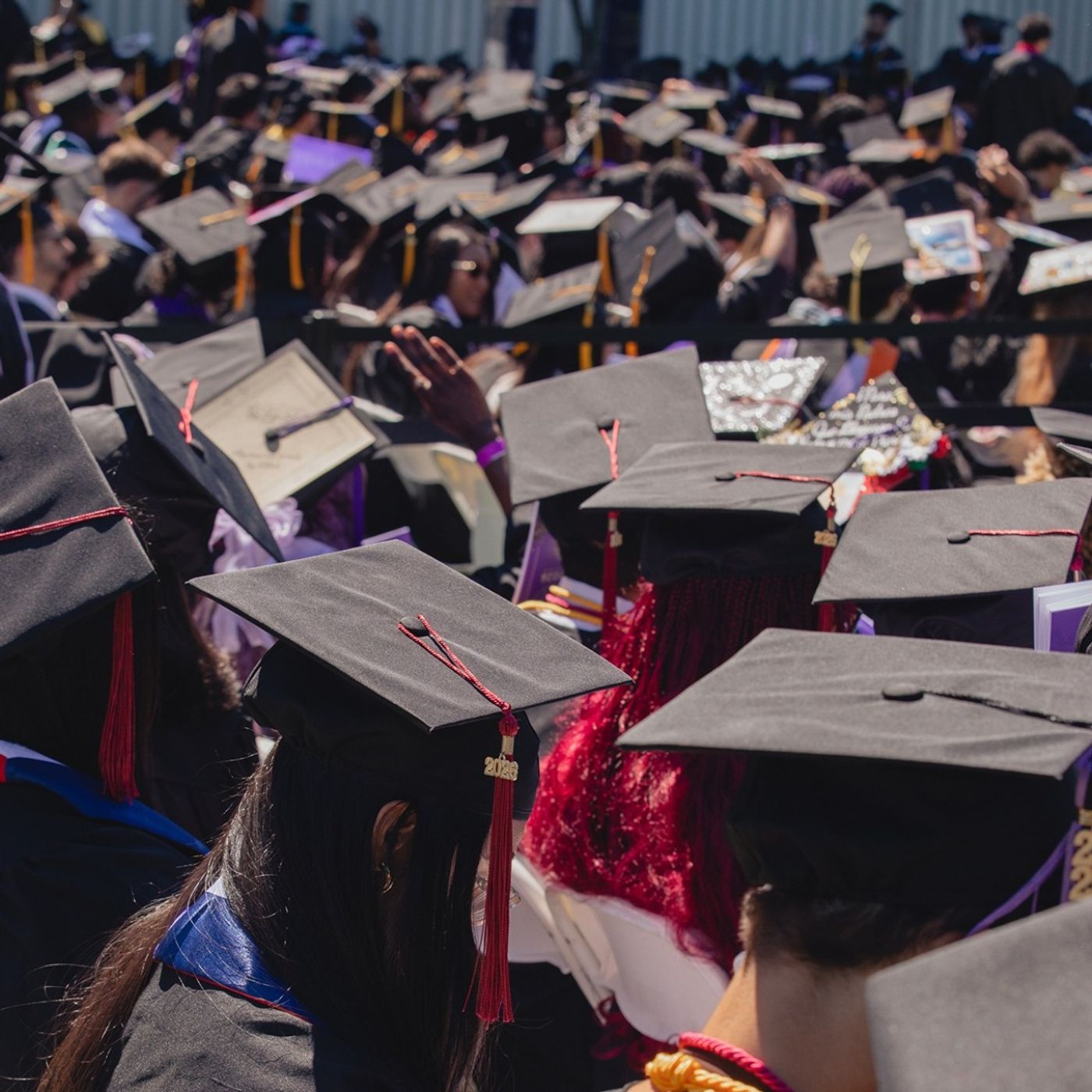
Photo: Camille Farrah Lenain for The New York Times
For more information on today’s episode, visit nytimes.com/thedaily. Transcripts of each episode will be made available by the next workday.
Subscribe today at nytimes.com/podcasts or on Apple Podcasts and Spotify. You can also subscribe via your favorite podcast app here https://www.nytimes.com/activate-access/audio?source=podcatcher. For more podcasts and narrated articles, download The New York Times app at nytimes.com/app.
Hosted by Simplecast, an AdsWizz company. See pcm.adswizz.com for information about our collection and use of personal data for advertising.