

🤖 AI Summary
Overview
This episode explores the factors driving the recent surge in gas prices, sparked by escalating tensions in the Middle East. Through the lens of a Florida gas station owner, Cameron Joudi, and insights from Vivian Nereim, Gulf bureau chief for The New York Times, the episode unpacks the geopolitical and economic ripple effects of the Iran war, including the strategic moves by Iran and its allies, the vulnerabilities of Saudi Arabia, and the global consequences for energy markets.
Notable Quotes
- I just wish, as a regular average Joe citizen, I would like to know why.
– Cameron Joudi, on the frustration of unexplained gas price hikes.
- As of now, essentially, all of the exits for oil from the Arabian Peninsula have been severely choked off or just cut off.
– Vivian Nereim, on the dire state of Saudi Arabia's oil exports.
- The Houthis can now threaten almost any shipping passing Yemen's Red Sea coast.
– Vivian Nereim, on the strategic escalation by Iran-backed forces.
⛽ The Local Impact of Rising Gas Prices
- Cameron Joudi, a gas station owner in Florida, describes a sudden 20-cent overnight increase in gas prices, leaving customers frustrated and confused.
- Joudi highlights the disconnect between the ongoing war in the Middle East and the lack of public understanding about its direct impact on fuel costs.
- He expresses concern about the longevity of high prices and the lack of transparency in the pricing mechanisms.
🌍 The Geopolitical Context: Iran and Saudi Arabia
- Vivian Nereim explains how Iran has strategically escalated its influence in the region by leveraging its ally, the Houthis in Yemen, to disrupt Saudi Arabia's oil exports.
- Saudi Arabia's workaround—a cross-country pipeline to the Red Sea—was recently attacked, leaving the kingdom with no viable routes to export oil.
- The Houthis' seizure of key Red Sea territory, including the Bab al-Mandab Strait, has amplified their control over global shipping routes.
🚢 The Role of the Houthis in Yemen
- The Houthis, an Iran-backed militia, have grown from a local religious movement into a significant regional power.
- Their naval blockade and territorial advances have choked Saudi Arabia's oil exports, intensifying the economic fallout of the Iran war.
- The group's demands for political recognition and access to oil resources have fueled their aggressive tactics.
🇺🇸 The U.S. Response and Global Implications
- Despite Saudi Arabia's requests for military support, the U.S. has largely refrained from direct involvement, focusing instead on intelligence sharing.
- The Trump administration views further military engagement with the Houthis as a losing proposition, given their resilience against wealthier and more powerful adversaries.
- The global energy market is reeling, with oil prices surpassing $100 per barrel, sparking protests and economic strain worldwide.
🔧 Saudi Arabia’s Limited Options
- Saudi Arabia faces two unattractive choices: re-enter a costly war with the Houthis or negotiate a political settlement, which risks emboldening the group further.
- The kingdom's economy, heavily reliant on oil revenue, is under immense pressure, jeopardizing both its domestic stability and its ambitious diversification plans.
- Even if the damaged pipeline is repaired, ongoing conflict in the region makes future attacks likely, perpetuating uncertainty in global energy markets.
AI-generated content may not be accurate or complete and should not be relied upon as a sole source of truth.
📋 Episode Description
About a month into the war with Iran, we spoke with Cameron Joudi, who owns a gas station in Florida, about how the conflict was reaching him at home. He recently reached out after seeing a 20-cent spike in gas prices in the span of just 24 hours.
Vivian Nereim, the Gulf bureau chief for The New York Times, tries to answer Mr. Joudi’s question: What’s driving rising oil prices?
Guest:
- Cameron Joudi, the owner of a gas station in Florida.
- Vivian Nereim, the Gulf bureau chief for The New York Times.
Background reading:
- Listen to the interview with Mr. Joudi from March.
- What’s driving up diesel prices? Energy chaos caused by two wars.
- Gulf Arab states explore new options as U.S. bases fail to deter Iran.
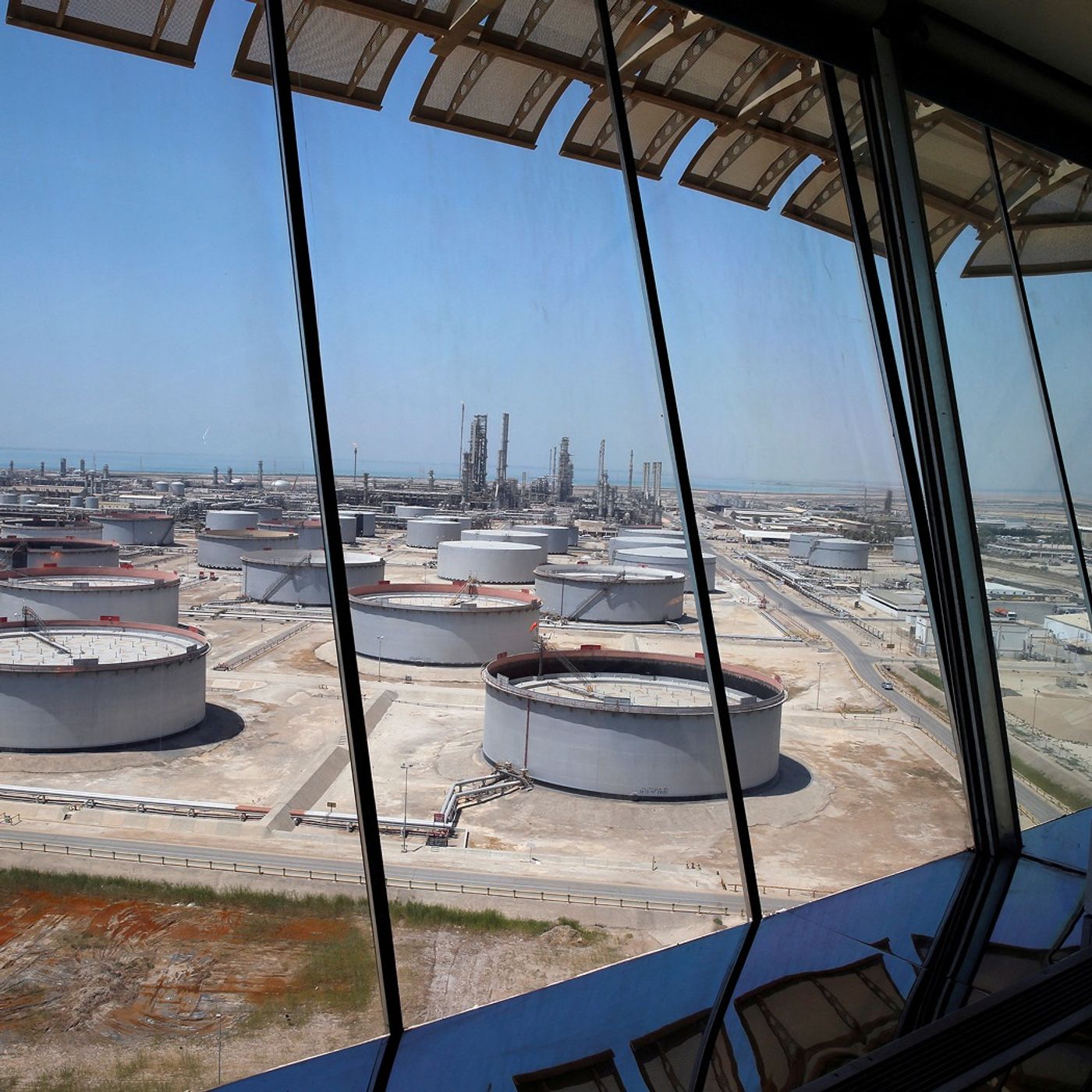
Photo: Ahmed Jadallah/Reuters
For more information on today’s episode, visit nytimes.com/thedaily. Transcripts of each episode will be made available by the next workday.
For more information on today’s episode, visit nytimes.com/thedaily. Transcripts of each episode will be made available by the next workday.
Subscribe today at nytimes.com/podcasts or on Apple Podcasts, Spotify and Amazon Music. You can also subscribe via your favorite podcast app here https://www.nytimes.com/activate-access/audio?source=podcatcher. For more podcasts and narrated articles, download The New York Times app at nytimes.com/app.
Hosted by Simplecast, an AdsWizz company. See pcm.adswizz.com for information about our collection and use of personal data for advertising.