

🤖 AI Summary
Overview
This episode dives into the complexities of the U.S. labor market, highlighting mixed signals in job creation, wage growth, and industry-specific trends. It also explores the economic impact of Corpus Christi's water crisis on its booming energy sector, the evolving dynamics of streaming services, and the cultural and financial shifts in barbershop traditions.
Notable Quotes
- In a context where inflation's somewhere around 3%, you're talking about real wage growth going to near zero.
– Mitchell Hartman, on the erosion of workers' purchasing power.
- The demand that's not being destroyed is the demand that's left paying the really high prices.
– Catherine Wolfram, on the uneven impact of rising oil prices.
- Today it's just like a more business transaction—cut and go, get your money and go.
– Dex Tabarro, on how rising haircut costs have altered barbershop culture.
🧑💼 Labor Market Trends
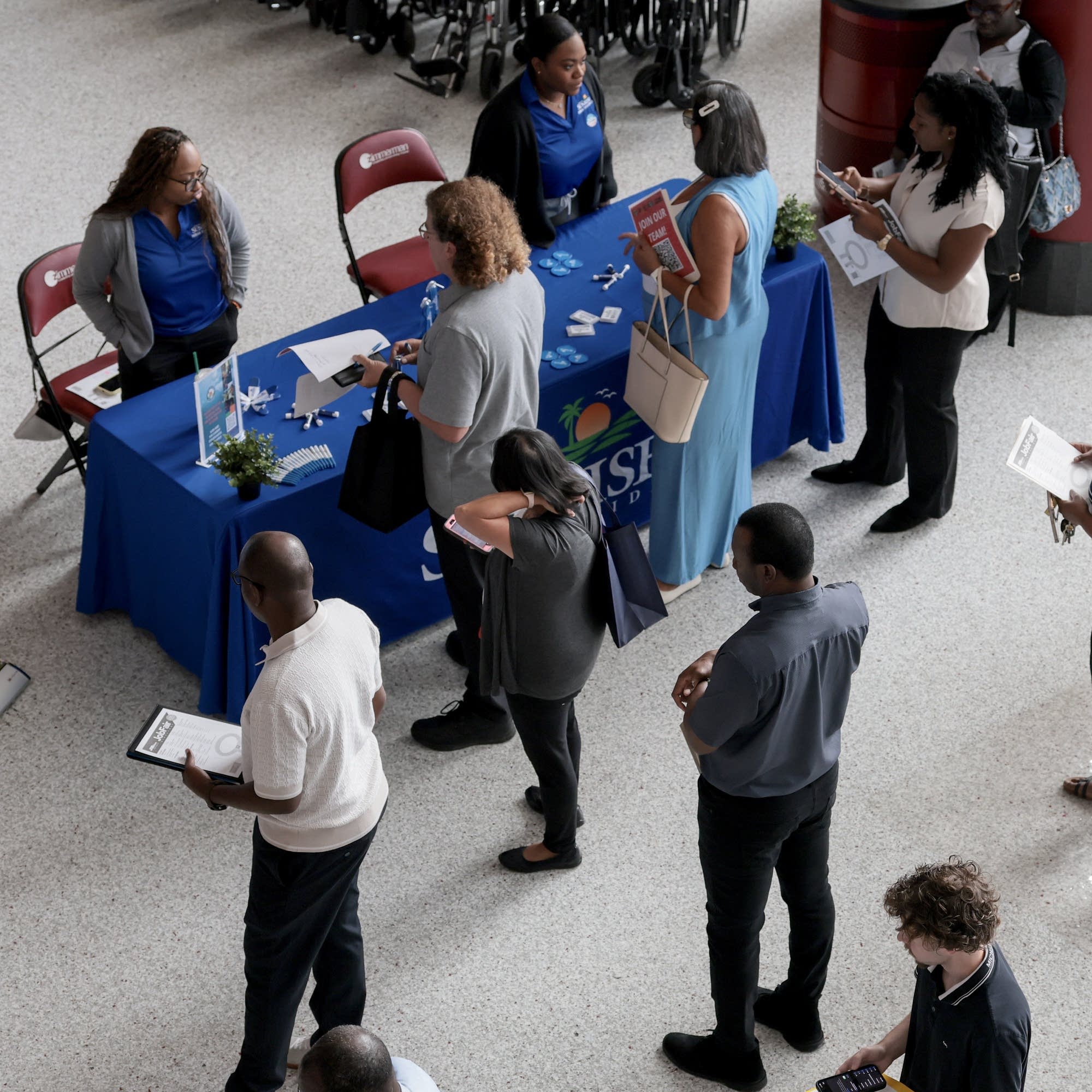
- Private employers added 109,000 jobs in April, nearly double March's figure, signaling cautious optimism. (Kai Ryssdal)
- Economists' predictions for April job creation vary widely, reflecting uncertainty in the labor market. (Mitchell Hartman)
- Healthcare dominates job growth, driven by aging baby boomers, but this reliance is seen as fragile. (Dan North, Allianz Trade)
- Wage growth has slowed significantly, with inflation eroding real earnings and workers' purchasing power. (Dean Baker, Center for Economic and Policy Research)
🌊 Corpus Christi's Water Crisis and Energy Boom
- Corpus Christi faces a severe water shortage, with reservoirs at just 8% capacity, threatening 25% water usage cuts by September. (Elizabeth Troval)
- The energy sector, a major water consumer, is booming but risks losing future investments due to water scarcity. (Kent Britton, Port of Corpus Christi)
- Local businesses, like the Texas State Aquarium, are innovating to reduce freshwater use, but concerns about the city's reputation persist. (Jesse Gilbert, Aquarium CEO)
🛢️ Oil Markets and Demand Destruction
- The Iran War has disrupted oil supply chains, with the Strait of Hormuz effectively closed. (Kai Ryssdal)
- Demand destruction
is balancing the market as consumers cut back on oil usage due to high prices. (Catherine Wolfram, MIT)
- Inventories are being tapped, but prolonged supply shocks may force adjustments to a new normal.
(Catherine Wolfram)
📺 Streaming Services and Consumer Behavior
- Disney's streaming revenue has surpassed linear TV, driven by price hikes and bundling strategies. (Kai Ryssdal)
- Consumers are consolidating subscriptions and opting for ad-supported plans to manage rising costs. (Ross Benish, eMarketer)
- Despite grumbling, households are subscribing to more services, spending an average of $113 per month. (Michael Goodman, Parks Associates)
💈 Barbershop Economics and Culture
- Rising costs for supplies have driven haircut prices up by over 50% in some areas, altering customer habits. (Sherwood Delore)
- Customers visit less frequently, shifting barbershops from community hubs to transactional spaces. (Dex Tabarro)
- Barbers are adapting by enhancing the customer experience to justify higher prices, reflecting their professional value. (Mitchell Hartman)
AI-generated content may not be accurate or complete and should not be relied upon as a sole source of truth.
📋 Episode Description
The private sector added twice as many jobs in March as it did in April — it’s a promising sign in an otherwise perplexing labor market. Private sector gains could translate to an overall boost in the upcoming BLS jobs report. But even if the quantity of jobs goes up, there are still some negative indicators to keep an eye on. Also in this episode: Corpus Christi's water crisis collides with an energy sector boom and Disney sees revenue wins after raising streaming prices.
Every story has an economic angle. Want some in your inbox? Subscribe to our daily or weekly newsletter.
Marketplace is more than a radio show. Check out our original reporting and financial literacy content at marketplace.org — and consider making an investment in our future.