

🤖 AI Summary
Overview
This episode delves into the clandestine operations of ghost fleets,
oil tankers that use deceptive tactics to transport sanctioned oil from countries like Venezuela, Iran, and Russia. It explores the U.S.'s recent crackdown on these fleets, the geopolitical implications, and the innovative methods used to track these elusive vessels.
Notable Quotes
- When you leave altogether in a group of 16, the odds that you're going to get caught are way smaller than when it's just one vessel leaving.
– Christiaan Triebert, on the coordinated zombie race
of tankers evading U.S. forces.
- It’s like VPN, but for ships.
– Rachel Abrams, describing the spoofing tactics used by ghost fleets to hide their locations.
- We as human beings just love to share things on social media.
– Christiaan Triebert, on how TikTok posts by crew members inadvertently reveal critical information about ghost fleets.
🛳️ What Are Ghost Fleets?
- Ghost fleets, also called shadow or dark fleets, are oil tankers that employ deceptive practices to transport sanctioned oil.
- These ships often carry oil from Venezuela, Iran, and Russia, primarily to China and India.
- Deceptive tactics include turning off transponders, spoofing location signals, and changing ship names and flags.
📉 The Impact of Sanctions and Enforcement
- U.S. sanctions aim to cut off revenue streams for Venezuela, Iran, and Russia, targeting their oil exports.
- Historically, enforcement was lax, but recent U.S. military actions have escalated, including seizing multiple tankers.
- The crackdown has spooked some ships, causing them to turn back or remain in port, while others attempt coordinated escapes.
🛰️ Tracking the Untrackable
- Investigators use satellite imagery, transponder data, and even social media posts to locate ghost fleet tankers.
- Techniques include identifying ships by deck color, size, and other visual markers.
- Crew members inadvertently reveal ship locations through TikTok and Instagram posts, despite efforts to obscure identities.
🚩 Fake Flags and Identity Changes
- Ghost fleet tankers frequently change their flags, often to countries like Russia, to deter U.S. intervention.
- Some ships obscure their names with rudimentary methods, such as hanging bedsheets or painting over hulls.
- Others adopt the identities of decommissioned vessels to further evade detection.
🌍 Geopolitical and Economic Implications
- The U.S.'s aggressive enforcement could disrupt global oil markets, causing price fluctuations and diplomatic tensions.
- Allies like France have begun mirroring U.S. tactics, signaling a broader international effort.
- The pressure campaign raises questions about how targeted nations like Iran and Russia will respond, potentially escalating geopolitical conflicts.
AI-generated content may not be accurate or complete and should not be relied upon as a sole source of truth.
📋 Episode Description
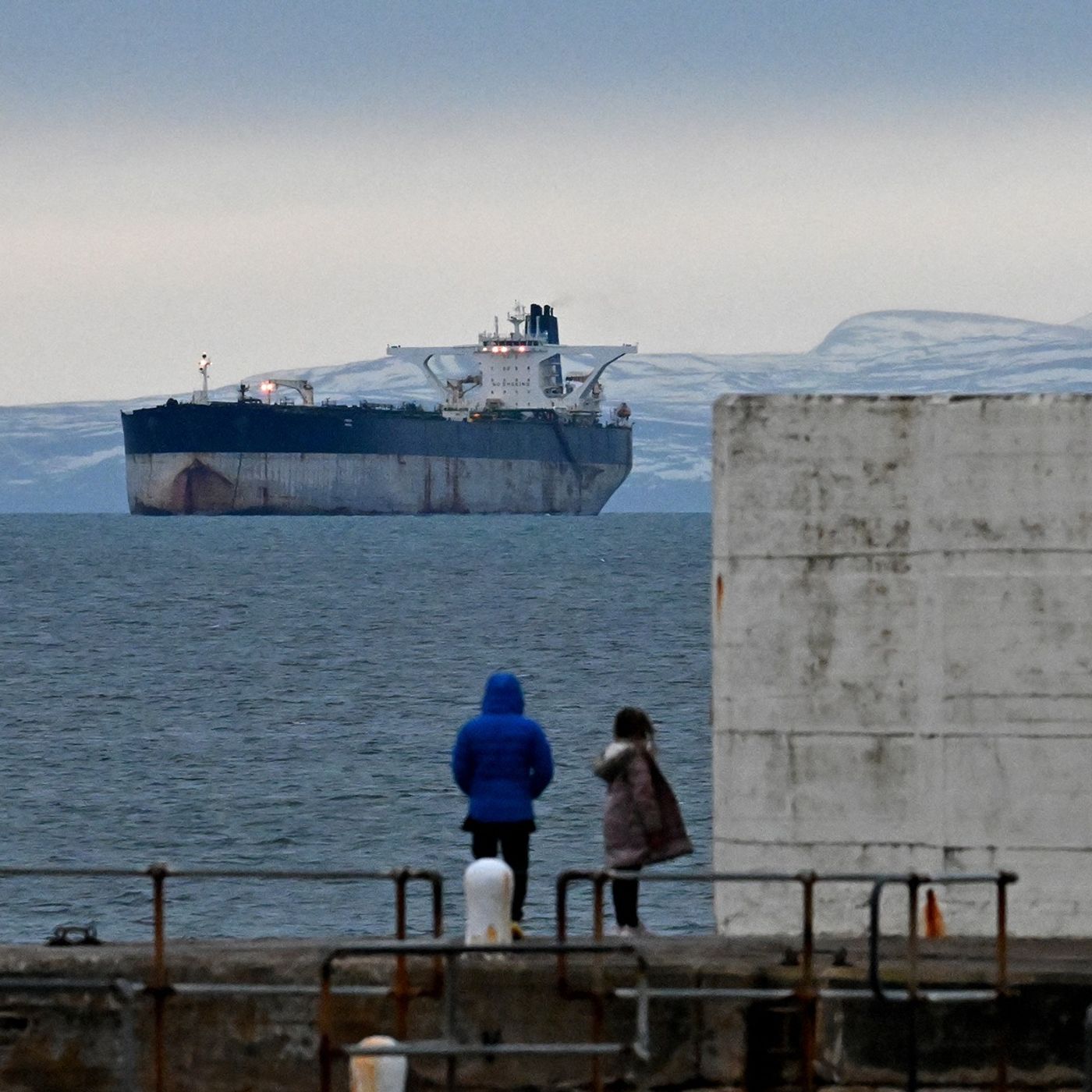
Since December, the U.S. has been stopping and seizing oil tankers traveling in and out of Venezuela. They are part of what is known as a ghost fleet — tankers that try to secretly move oil around the world, funding states such as Venezuela, Iran and Russia.
Christiaan Triebert, a reporter on the Visual Investigations team, explains what these ghost fleets are and why their days might now be numbered.
Guest: Christiaan Triebert, a reporter for The New York Times working on the Visual Investigations team.
Background reading:
- U.S. forces seized its sixth oil tanker linked to Venezuela.
- What are “ghost fleet” ships?
Photo: Andy Buchanan/Agence France-Presse — Getty Images
For more information on today’s episode, visit nytimes.com/thedaily. Transcripts of each episode will be made available by the next workday.
Subscribe today at nytimes.com/podcasts or on Apple Podcasts and Spotify. You can also subscribe via your favorite podcast app here https://www.nytimes.com/activate-access/audio?source=podcatcher. For more podcasts and narrated articles, download The New York Times app at nytimes.com/app.