
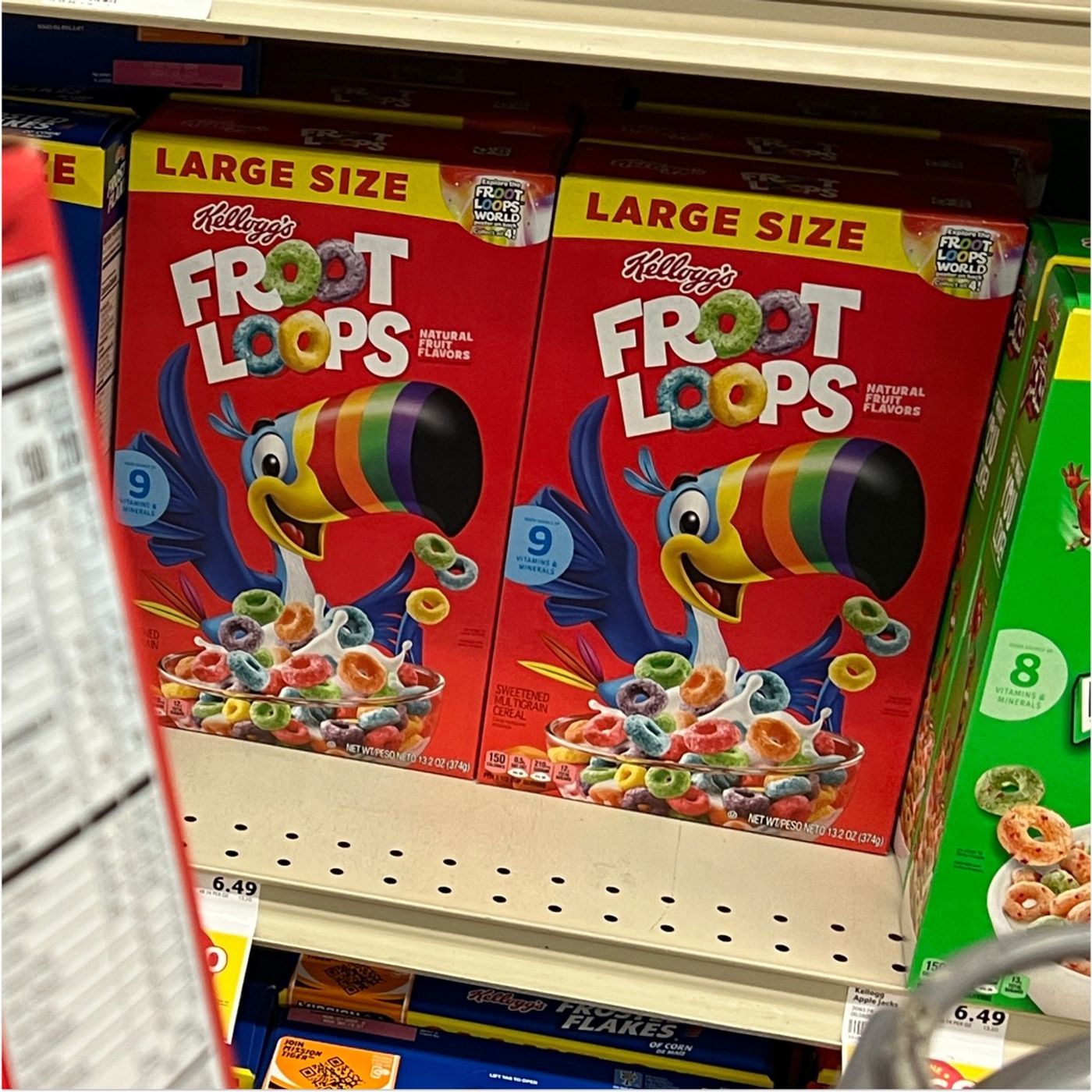
Faded Froot Loops and Dull Doritos: Is Big Food Losing the War on Dyes?

🤖 AI Summary
Overview
This episode explores the recent decision by major U.S. food companies to phase out artificial food dyes, a move driven by Health Secretary Robert F. Kennedy Jr.'s unconventional strategy. The discussion delves into the health concerns surrounding artificial dyes, the challenges of replacing them, and the broader implications for the food industry and consumer behavior.
Notable Quotes
- If they want to eat petroleum, they ought to add it themselves at home. They shouldn’t be feeding it to the rest of us.
– Robert F. Kennedy Jr., on the origins of artificial food dyes.
- We eat with our eyes. Bright colors sell.
– Julie Creswell, on the psychology behind food marketing.
- Retraining the American mindset—the connection between our eyes and our palate—could be a win.
– Julie Creswell, on the potential long-term impact of removing artificial dyes.
🍭 The Health Debate Around Artificial Food Dyes
- Artificial dyes are derived from petroleum, the same source as gasoline and tar, raising health concerns.
- Studies, including the 2007 Southampton Study in the UK, suggest links between artificial dyes and hyperactivity in children, though evidence remains inconclusive.
- The European Union has taken a stricter stance, banning certain dyes and requiring warning labels, while the U.S. has been slower to act.
📉 The Business Challenges of Going Dye-Free
- Removing artificial dyes increases production costs and complicates manufacturing due to the instability of natural colors.
- Bright, artificial colors are deeply tied to consumer expectations and sales; past attempts to remove dyes, like General Mills’ reformulated Trix cereal, failed due to consumer backlash.
- U.S. consumers are less receptive to muted, natural colors compared to European markets, where demand for dye-free products is higher.
🛠️ RFK Jr.’s Unconventional Strategy
- Instead of formal regulation, Kennedy used a soft power
approach, announcing a voluntary industry agreement to phase out dyes, despite limited initial buy-in.
- His bluff worked: PepsiCo, Kraft Heinz, and other major companies began committing to removing artificial dyes by 2027, creating a domino effect.
- Fear of stricter future regulations, such as limits on sugar and fat, may have motivated companies to comply.
🌍 State Laws and the Patchwork Problem
- States like California, Texas, and West Virginia are introducing their own regulations, including bans and warning labels for artificial dyes.
- This patchwork of state laws creates logistical challenges for food companies, potentially driving broader compliance with dye-free standards.
🍽️ The Bigger Picture: Changing Consumer Habits
- Critics argue that removing dyes doesn’t address core health issues like obesity and diabetes.
- However, less visually appealing foods might reduce overconsumption, particularly among children, indirectly tackling issues like portion control and reliance on ultra-processed foods.
- The shift could signal the beginning of a broader cultural change in how Americans perceive and consume food.
AI-generated content may not be accurate or complete and should not be relied upon as a sole source of truth.
📋 Episode Description
The summer, some of the biggest food companies in America have announced that they plan to stop using artificial food dyes. It’s a move that would transform the look of some of the best known brands.
Julie Creswell, who covers the food industry, explains how the health secretary, Robert F. Kennedy Jr., got the food industry to commit to a change that it has resisted for years — and that could be bad for business.
Guest: Julie Creswell, a business reporter covering the food industry for The New York Times.
Background reading:
- How might Jell-O look and taste when artificial dyes are removed?
- Mr. Kennedy’s battle against food dyes hit a roadblock: M&M’s.
For more information on today’s episode, visit nytimes.com/thedaily. Transcripts of each episode will be made available by the next workday.
Photo: Joe Raedle/Getty Images
Unlock full access to New York Times podcasts and explore everything from politics to pop culture. Subscribe today at nytimes.com/podcasts or on Apple Podcasts and Spotify.