

🤖 AI Summary
Overview
This episode explores President Trump's focus on Venezuelan oil following the ousting of Nicolás Maduro. It delves into the historical relationship between Venezuela and the U.S. oil industry, the rise and fall of Venezuela's oil economy, and the challenges of reviving the industry under U.S. influence.
Notable Quotes
- American sweat, ingenuity, and toil created the oil industry in Venezuela. Its tyrannical expropriation was the largest recorded theft of American wealth and property.
– Stephen Miller, echoing Trump's justification for reclaiming Venezuelan oil.
- The thing about the oil industry is that you cannot just turn the spigot back on. Once something decays, it often damages the geological receptacle holding the oil.
– Anatoly Kurmanaev, on the challenges of reviving Venezuela's oil infrastructure.
- Flooding the global oil market with Venezuelan crude could help bring down gasoline prices, a crucial tenet of American politics.
– Anatoly Kurmanaev, on the geopolitical stakes of controlling Venezuelan oil.
🛢️ The Historical Roots of Venezuela's Oil Industry
- Venezuela's oil industry began in the early 20th century, heavily influenced by American companies and workers.
- American oil workers built infrastructure, towns, and a middle class, leaving a lasting cultural and economic imprint.
- By the 1950s, Venezuela was the world's largest oil exporter, funding massive infrastructure projects and becoming one of the wealthiest countries in Latin America.
🌍 Resource Nationalism and the Rise of OPEC
- In the 1970s, Venezuela nationalized its oil industry, creating the state-owned company PDVSA, which became a source of national pride.
- Venezuela played a key role in founding OPEC, advocating for resource nationalism to ensure oil wealth benefited citizens rather than foreign corporations.
- However, the oil-dependent economy became vulnerable to price fluctuations, leading to economic instability in the 1980s.
⚡ Hugo Chávez and the Politicization of Oil
- Hugo Chávez rose to power in 1999, promising to reclaim oil wealth for the people and targeting PDVSA as a symbol of elite corruption.
- Chávez replaced skilled oil executives with political appointees, turning PDVSA into a tool for populist policies, which led to declining production and increased corruption.
- In 2007, Chávez nationalized foreign oil projects, driving out companies like ExxonMobil and ConocoPhillips, which later sought billions in damages.
🔧 The Collapse of Venezuela's Oil Industry
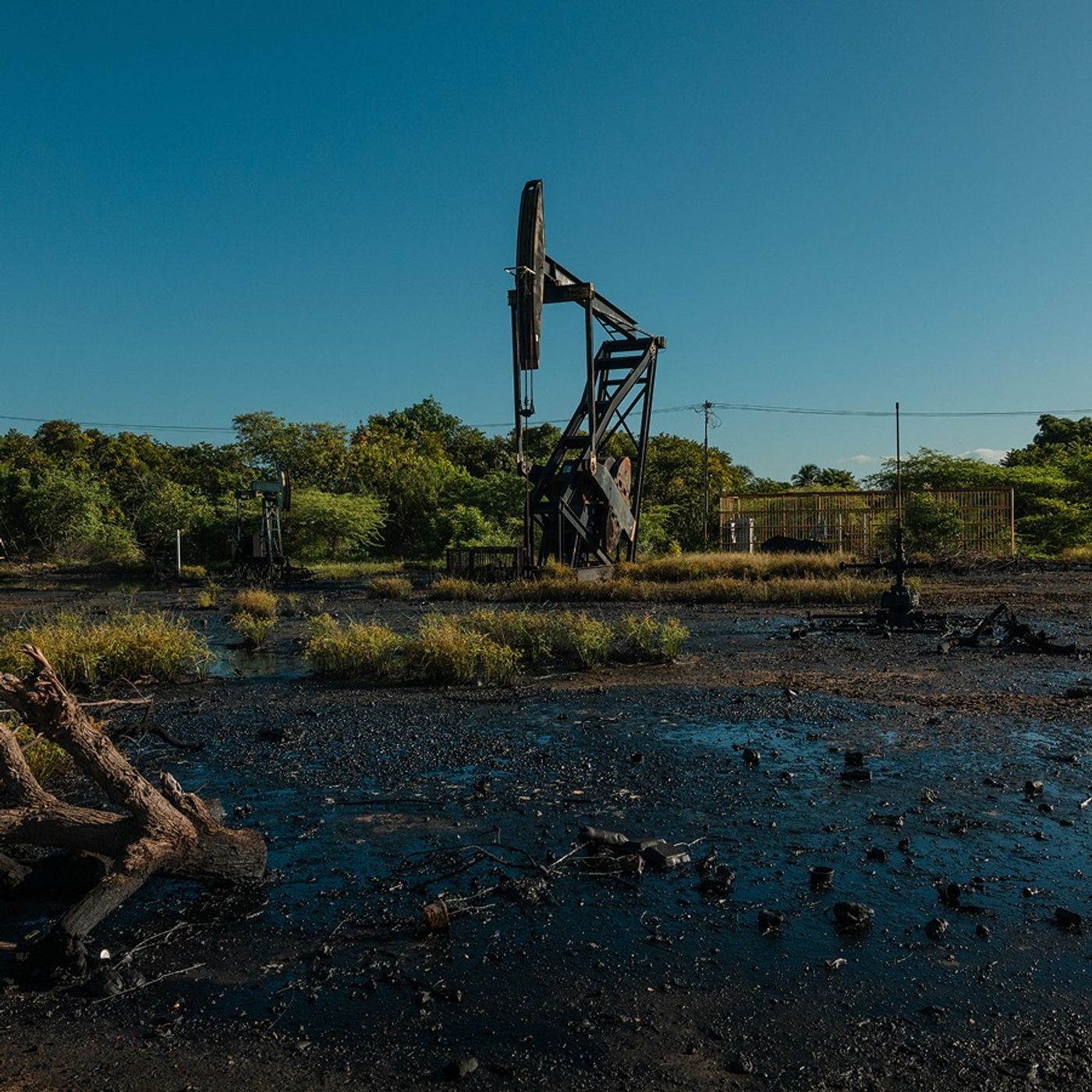
- Under Nicolás Maduro, Venezuela's oil industry deteriorated further, with infrastructure decaying and production plummeting.
- Economic collapse led to widespread poverty, mass emigration, and the dismantling of oil infrastructure for scrap.
- Recent efforts under new leadership have included stealth privatization to attract foreign investment, but production remains far below historical levels.
💼 Challenges and Opportunities for U.S. Oil Companies
- Reviving Venezuela's oil industry would require tens of billions of dollars in investment and overcoming decayed infrastructure.
- Political instability, legal uncertainties, and the global shift toward renewable energy pose significant risks for foreign investors.
- Despite these challenges, the potential to control the world's largest oil reserves remains a tempting prospect for U.S. companies and policymakers.
AI-generated content may not be accurate or complete and should not be relied upon as a sole source of truth.
📋 Episode Description
In the days since deposing Nicolás Maduro, President Trump has given several justifications for his dramatic actions in Venezuela. But perhaps most central to his ambitions is opening Venezuela’s oil fields to American companies.
Anatoly Kurmanaev, who covers Venezuela, explains the history behind Mr. Trump’s claims of ownership and what it would really take to get the oil back.
Guest: Anatoly Kurmanaev, a reporter for The New York Times who covers Venezuela.
Background reading:
- The United States detailed a plan for Venezuela’s oil sales after Mr. Trump claimed millions of barrels.
- Mr. Trump’s goals for reviving Venezuela’s oil industry will not come easily or cheaply.
Photo: Adriana Loureiro Fernandez for The New York Times
For more information on today’s episode, visit nytimes.com/thedaily. Transcripts of each episode will be made available by the next workday.
Subscribe today at nytimes.com/podcasts or on Apple Podcasts and Spotify. You can also subscribe via your favorite podcast app here https://www.nytimes.com/activate-access/audio?source=podcatcher. For more podcasts and narrated articles, download The New York Times app at nytimes.com/app.