

🤖 AI Summary
Overview
This episode explores the economic ripple effects of rising Affordable Care Act (ACA) premiums, global bond yield increases, early tariff refunds for businesses, and escalating utility rates. It also delves into the gig economy's intersection with AI training and its implications for workers in struggling industries.
Notable Quotes
- Too much debt, too little fiscal discipline, and no appetite for fixing either.
– Kai Ryssdal, summarizing the global fiscal challenges tied to rising bond yields.
- We’re spending more on interest expenses than on national defense.
– Nicole Survey, highlighting the U.S. government's growing fiscal strain.
- It’s like the French Revolution—scrabbling for tasks at all hours.
– Ruth Fowler, describing the chaotic nature of AI trainer gig work.
📈 Rising Bond Yields and Global Fiscal Strain
- Bond yields in the U.S., Germany, UK, and Japan have reached multi-year highs, driven by inflation, energy shocks, and geopolitical tensions.
- Nicole Survey explains that higher yields increase borrowing costs for governments, exacerbating fiscal challenges, especially in countries with rising debt burdens like France and Belgium.
- The U.S. government now spends more on interest payments than on national defense, limiting discretionary spending on critical areas like education and infrastructure.
💸 ACA Premiums and Enrollment Decline
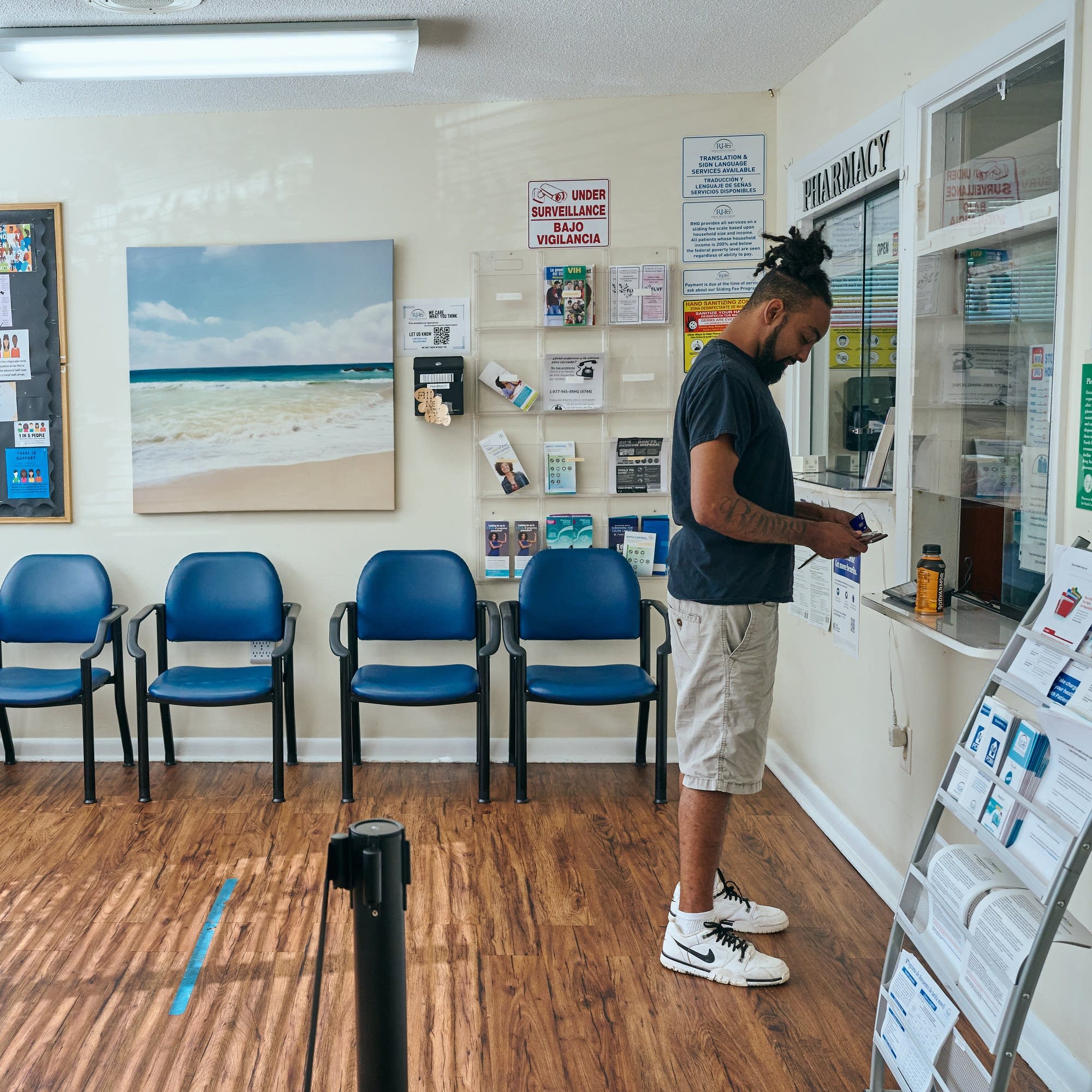
- ACA premiums have risen nearly 60% this year due to the expiration of federal subsidies, leading to a projected drop of over 5 million enrollees by year-end.
- Healthy individuals are the first to drop coverage, creating a vicious cycle where fewer participants drive premiums even higher.
- Hospitals face rising uncompensated care costs as uninsured individuals delay necessary treatments, ultimately passing these costs onto insured patients.
📦 Early Tariff Refunds and Business Relief
- Businesses are receiving tariff refunds faster than expected, with $35 billion of the $166 billion owed already disbursed.
- Companies like Sarah Wells Bags and Glory International Trade are using refunds to offset ongoing tariff costs or lower product prices.
- Despite the refunds, businesses remain cautious due to broader economic uncertainties, including rising transportation costs and inflation.
⚡ Utility Rate Hikes and Energy Sector Challenges
- Utilities requested $9.5 billion in rate increases in Q1 2026, following $31 billion in hikes the previous year.
- Factors driving these increases include aging infrastructure, climate-related damages, and geopolitical pressures on fuel supply.
- States like Oklahoma, despite being major energy producers, are not seeing economic booms due to low natural gas prices and increased productivity reducing employment in the sector.
🤖 AI Training as a Gig Economy Side Hustle
- Screenwriter Ruth Fowler shares her experience as an AI trainer, a gig economy job that involves tasks like transcribing videos and testing AI safety.
- The work is grueling, with unpredictable hours and intense competition for tasks, likened to a French Revolution
scramble.
- Fowler highlights the diverse backgrounds of workers in this field, from doctors to scientists, reflecting broader economic struggles. She has since transitioned to training as an EMT to pursue more meaningful work.
AI-generated content may not be accurate or complete and should not be relied upon as a sole source of truth.
📋 Episode Description
Affordable Care Act premiums are higher this year, after Congress declined to renew subsidies for the health insurance program. As a result, about a million fewer Americans enrolled for 2026 and even more are slated to drop by the year’s end. In this episode, why falling enrollment will raise premiums further. Plus: Bond yields hit record highs around the globe, businesses start to see tariff refunds ahead of schedule, and utility rates are about to get worse.
Every story has an economic angle. Want some in your inbox? Subscribe to our daily or weekly newsletter.
Marketplace is more than a radio show. Check out our original reporting and financial literacy content at marketplace.org — and consider making an investment in our future.