

🤖 AI Summary
Overview
This episode explores the financial crisis gripping the American restaurant industry, examining its historical roots, the impact of the pandemic, and the innovative yet desperate measures restaurateurs are adopting to survive. A Minneapolis diner that removed prices from its menu serves as a case study for rethinking the traditional restaurant business model.
Notable Quotes
- Don't believe that in America, restaurants are capable of achieving a profit anymore.
— Dylan Alverson, on the broken economics of the restaurant industry.
- These relationships that began as symbiotic have turned parasitic.
— Brett Anderson, on the financial burden of delivery apps, credit card fees, and other external costs.
- We kind of went back to this core idea of hospitality, which is just offering comfort and relationships through inviting people in and feeding them.
— Dylan Alverson, on the ethos behind his pay-what-you-can experiment.
🍳 The Broken Economics of Restaurants
- Rising costs in real estate, labor, and food have made the traditional restaurant business model unsustainable.
- The pandemic exposed the fragility of the industry, with many restaurants unable to survive even short-term closures.
- Labor costs have surged by 41% since pre-pandemic levels, driven by demands for living wages.
- Credit card fees, delivery app commissions, and other external charges are eating into already razor-thin margins.
📉 The Pandemic’s Lasting Impact
- COVID-19 shutdowns revealed how little financial cushion most restaurants had, even among high-profile establishments.
- The racial reckoning following George Floyd’s killing amplified workplace grievances, leading to higher labor costs and demands for better conditions.
- Inflation, fueled by pandemic-era government spending, has driven food costs up by 35%, further straining restaurant budgets.
🍝 Shifts in Restaurant Trends
- Many restaurateurs are opting for safe
concepts like Italian restaurants, steakhouses, and French bistros, which offer higher margins and cater to affluent diners.
- Counter-service models are becoming more common, allowing restaurants to cut labor costs while maintaining high-quality food.
- Simplified menus, such as desserts that don’t require a pastry chef, are helping restaurants reduce overhead.
💡 Radical Experiments in Business Models
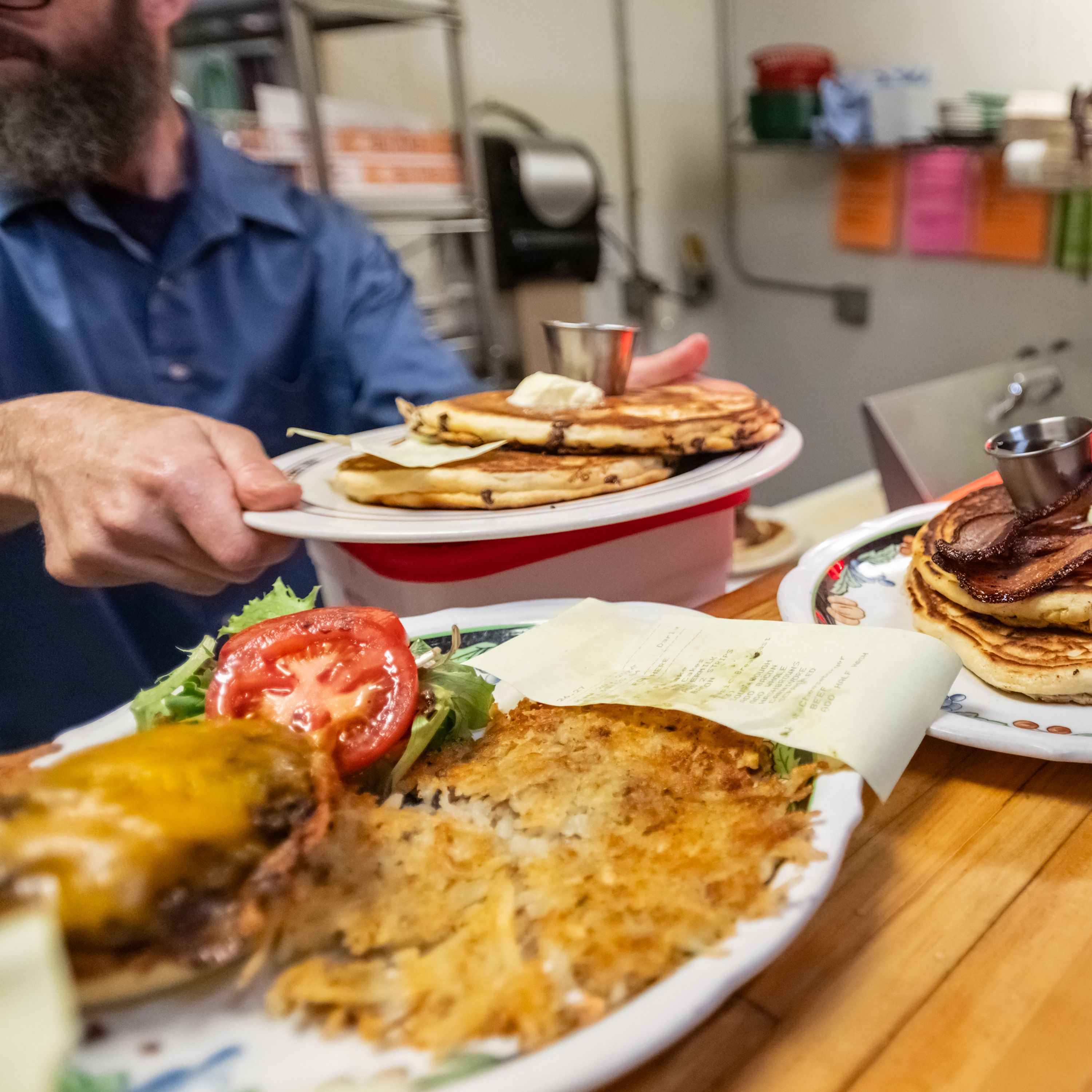
- Modern Times, a Minneapolis diner, removed prices from its menu as a protest against economic inequality, allowing customers to pay what they could.
- Surprisingly, the restaurant initially became more profitable due to increased donations, but logistical challenges like long wait times and community tensions forced a partial return to traditional pricing.
- The diner now operates with a hybrid model: fixed prices at zero profit margin and 125 free meals weekly, funded by grants.
🤝 The Core of Hospitality
- Despite financial struggles, many restaurateurs remain committed to the core mission of hospitality: creating spaces where people feel welcome, safe, and cared for.
- The industry’s challenges have shifted its focus from creativity and innovation to survival and community support.
- The episode concludes with a call to recognize the essential role restaurants play in fostering human connection and to support their survival in an increasingly challenging economic landscape.
AI-generated content may not be accurate or complete and should not be relied upon as a sole source of truth.
📋 Episode Description
If you dine out regularly, you might have noticed some changes in restaurants over the past few years. Perhaps you’ve found yourself ordering at a counter, scanning a QR code to see the menu, or eating … a lot more soft serve.
These changes aren’t just trends. Brett Anderson, a New York Times food reporter, says they are restaurant owners’ desperate attempts to stay afloat in an industry in crisis. According to a report from the National Restaurant Association, 42 percent of restaurant owners said they weren’t profitable in 2025. Many of them were at serious risk of closing.
In this episode of “The Sunday Daily,” Brett talks with our host Michael Barbaro about the economic realities that are forcing businesses to rethink the entire concept of a restaurant, including a radical experiment at one Minneapolis diner that stopped charging for food entirely.
On Today’s Episode:
- Brett Anderson, a reporter for the Food section of The New York Times.
Background Reading:
- This Restaurant Stopped Charging for Food. And Profits Are Up.
Photo credit: Caroline Yang for The New York Times.
For more information on today’s episode, visit nytimes.com/thedaily. Transcripts of each episode will be made available by the next workday.
Subscribe today at nytimes.com/podcasts or on Apple Podcasts, Spotify and Amazon Music. You can also subscribe via your favorite podcast app here https://www.nytimes.com/activate-access/audio?source=podcatcher. For more podcasts and narrated articles, download The New York Times app at nytimes.com/app.
Hosted by Simplecast, an AdsWizz company. See pcm.adswizz.com for information about our collection and use of personal data for advertising.