

🤖 AI Summary
Overview
This episode delves into the trial of Lindsay Clancy, a mother accused of killing her three children, and the broader societal implications surrounding postpartum mental health care. The discussion explores the legal arguments, the public's reaction, and the systemic failures in addressing postpartum mental health crises.
Notable Quotes
- This was not a woman in the throes of psychosis... This was a woman who acted intentionally, rationally, and swiftly to accomplish a very specific goal.
– Shannon Buckingham, Assistant District Attorney, arguing against Clancy's insanity defense.
- This is a woman that did not get the medical treatment that she so deserved.
– Kevin Reddington, Clancy's defense attorney, on the systemic failures in addressing postpartum mental health.
- It should not take tragedy for people to start paying attention to mental health.
– Supporter outside the courthouse, on the broader implications of the trial.
🧠 The Complexities of Postpartum Mental Health
- Ellen Barry explains that postpartum psychosis, a rare condition affecting 1-2 in 1,000 births, is characterized by paranoia, hallucinations, and delusions. It is often linked to bipolar disorder and can lead to infanticide or suicide.
- The condition is not well understood, lacks systematic study, and is not included in the DSM, complicating diagnosis and treatment.
- Clancy's defense argues that she was in the grip of postpartum psychosis, hearing voices that compelled her to harm her children and herself.
⚖️ The Legal Battle: Insanity Defense vs. Premeditation
- The prosecution contends that Clancy was of sound mind, portraying her as a perfectionist who meticulously planned the killings, including timing her husband's absence.
- The defense counters that Clancy's actions were driven by psychosis, citing her deteriorating mental health and testimony from forensic experts who described her as feeling like a puppet
controlled by external forces.
- The jury must decide whether Clancy acted in psychosis or with intent, with potential outcomes ranging from life imprisonment to hospitalization in a psychiatric facility.
👩⚕️ Systemic Failures in Mental Health Care
- Clancy sought help from multiple providers but received fragmented care, with no case manager overseeing her treatment. Over four months, she was prescribed 13 different medications, yet her condition worsened.
- The defense highlights these systemic gaps, arguing that inadequate care contributed to her mental health crisis.
- The prosecution, however, asserts that her providers did not diagnose her as psychotic or a danger to herself or others, framing her as a sophisticated consumer
of medical care.
👩👩👧👦 Public Reaction and the Stigma of Postpartum Disorders
- The trial has drawn large crowds, primarily women who identify with Clancy's struggles or have experienced postpartum mental health challenges themselves.
- Many supporters argue that the case highlights the lack of awareness, resources, and support for postpartum mental health.
- However, others, including some connected to the victims, emphasize the need for justice for the children and criticize the focus on Clancy's mental health over the tragedy of their deaths.
🌍 Broader Implications for Postpartum Mental Health Awareness
- Advocates hope the trial will catalyze systemic changes, including the inclusion of postpartum disorders in the DSM, state laws mitigating punishment for postpartum-related crimes, and the establishment of specialized mother-and-baby psychiatric units.
- A guilty verdict could deter women from seeking help for postpartum mental health issues, while a not guilty verdict could serve as a landmark moment for reform.
- Regardless of the outcome, the trial has sparked a national conversation about postpartum mental health, with many calling for urgent reforms to prevent similar tragedies.
AI-generated content may not be accurate or complete and should not be relied upon as a sole source of truth.
📋 Episode Description
Warning: this episode mentions suicide.
The trial of Lindsay Clancy, a mother who is being tried for the killings of her three young children, has captivated the country for weeks. It has also raised difficult questions about how we treat postpartum women who are in crisis.
Ellen Barry, a New York Times reporter who has been covering the trial, takes us inside the courtroom and explains the stakes of the outcome.
Guest: Ellen Barry, a reporter covering mental health for The New York Times.
Background reading:
- What we know about the trial of Lindsay Clancy for her children’s deaths.
- Why the Lindsay Clancy case is dividing Americans.
- How to understand the wide range of sympathy for a mother on trial for murder.
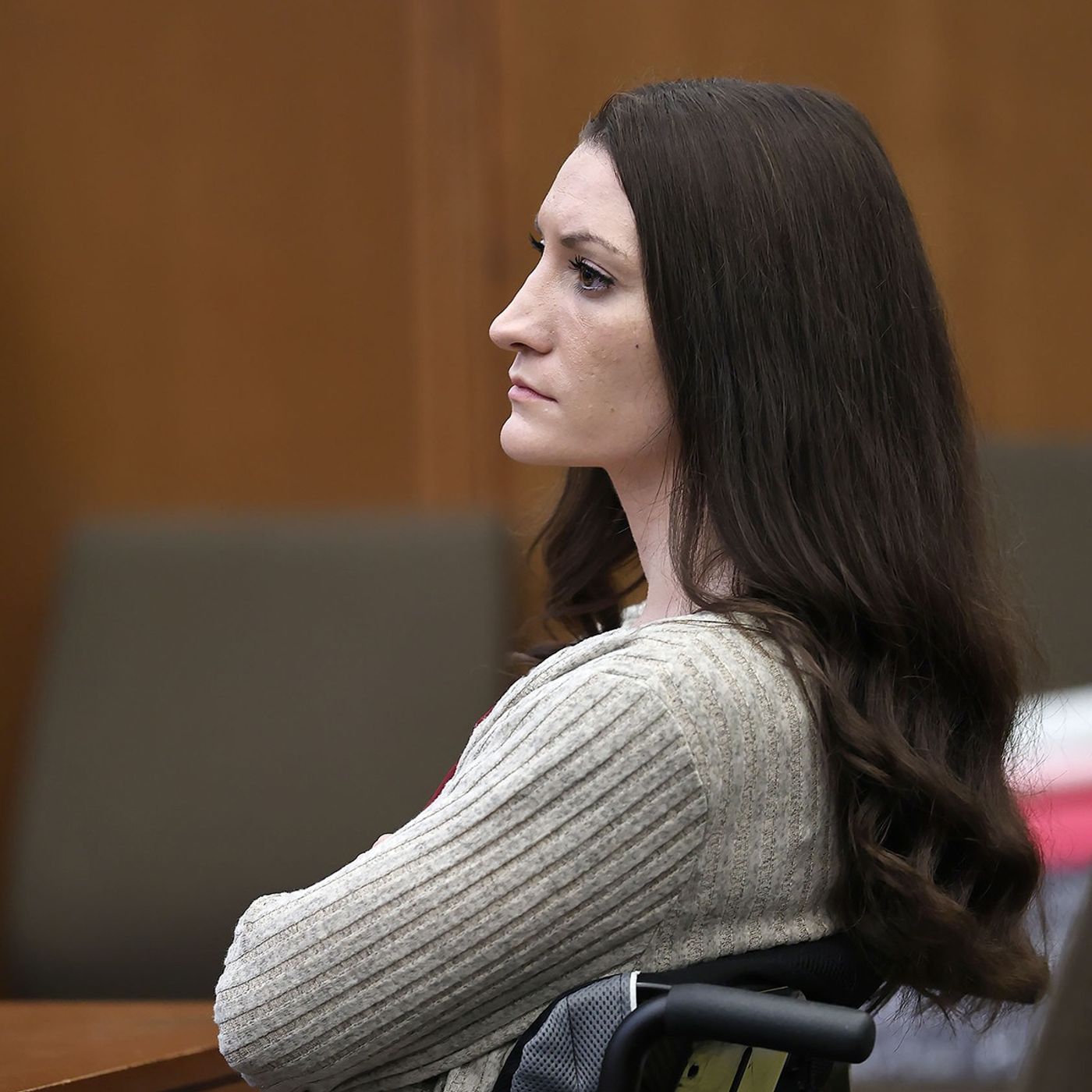
Photo: Pool photo by Greg Derr
For more information on today’s episode, visit nytimes.com/thedaily. Transcripts of each episode will be made available by the next workday.
Subscribe today at nytimes.com/podcasts or on Apple Podcasts and Spotify. You can also subscribe via your favorite podcast app here https://www.nytimes.com/activate-access/audio?source=podcatcher. For more podcasts and narrated articles, download The New York Times app at nytimes.com/app.
Hosted by Simplecast, an AdsWizz company. See pcm.adswizz.com for information about our collection and use of personal data for advertising.