

🤖 AI Summary
Overview
This episode delves into the arrest of Andrew Mountbatten-Windsor, formerly Prince Andrew, and its implications within the broader Jeffrey Epstein scandal. It explores the legal, social, and institutional fallout from the release of millions of Epstein-related files, highlighting the public's hunger for accountability and the challenges of achieving justice in such a complex case.
Notable Quotes
- The last time a sitting member of the British royal family was arrested was in 1649.
– Michael D. Shear, on the historical significance of Andrew's arrest.
- The Epstein files have turned every person on the planet into a prosecutor with subpoena power.
– Nicholas Confessore, on the public's role in uncovering Epstein's network.
- There's almost a sense that any form of justice for anybody connected to him is important because real justice feels so elusive.
– Nicholas Confessore, on the public's frustration with the lack of legal accountability.
🕵️♂️ The Arrest of Andrew Mountbatten
- Andrew was arrested at Sandringham Estate under suspicion of misconduct in public office, specifically for allegedly sharing confidential information with Jeffrey Epstein during his tenure as British trade envoy (2001–2011).
- The arrest is seen as a pivotal moment in the Epstein scandal, given Andrew's long-standing association with Epstein and the sexual misconduct allegations against him, including those by Virginia Giuffre.
- Despite the arrest, Andrew's legal accountability remains uncertain, with potential charges carrying a maximum sentence of life in prison.
📸 The Role of Public Outrage and Media Pressure
- Public and media scrutiny, fueled by damning evidence such as photos and leaked files, has been instrumental in driving accountability.
- A newly surfaced photo of Andrew kneeling over an unidentified woman has intensified public outrage and led to a rare statement from King Charles expressing profound concern.
- The British royal family, historically protective of Andrew, has shifted its stance, with King Charles stripping him of his titles and distancing the monarchy from his actions.
⚖️ Fallout for Epstein's Associates
- The release of 3 million Epstein-related files has led to significant consequences for high-profile individuals, including:
- Kathy Rumler, former general counsel for Goldman Sachs, who resigned after emails revealed a personal relationship with Epstein.
- Brad Karp, former chairman of Paul Weiss, who stepped down after evidence of his friendly ties with Epstein surfaced.
- Casey Wasserman, a media mogul, who announced plans to sell his talent agency following backlash over minimal but controversial ties to Epstein.
- These cases highlight the blurred lines between professional obligations and personal associations, raising questions about complicity and judgment.
🌍 The Broader Implications of the Epstein Files
- The files have exposed a vast network of powerful individuals connected to Epstein, sparking debates about accountability for those who were socially or professionally linked to him.
- The public's demand for justice far exceeds what the legal system has delivered, with many implicated individuals facing social and professional consequences rather than criminal charges.
- The opacity of the files, with redactions and limited transparency, has fueled conspiracy theories and frustration, underscoring the challenges of achieving closure in the Epstein case.
🤔 The Ethics of Association and Accountability
- The episode examines the moral and ethical dilemmas surrounding friendships with Epstein, particularly for those who maintained ties after his crimes became public.
- It raises critical questions: At what point does association become complicity? How do we define and enforce social accountability in the absence of legal culpability?
- The discussion draws parallels to the #MeToo movement, where societal consequences often outpaced legal action, reflecting a shift in public expectations for accountability.
AI-generated content may not be accurate or complete and should not be relied upon as a sole source of truth.
📋 Episode Description
Warning: This episode mentions suicide.
Andrew Mountbatten-Windsor, the former Prince Andrew, was arrested by the British police on Thursday amid widening scrutiny over his ties to the disgraced financier Jeffrey Epstein.
The New York Times journalists Michael D. Shear and Nicholas Confessore explain why Mr. Mountbatten-Windsor was arrested and why, to many people, consequences still feel elusive.
Guest:
- Michael D. Shear, a senior U.K. correspondent for The New York Times, covering British politics and culture and diplomacy around the world.
- Nicholas Confessore, a New York-based political and investigative reporter at The New York Times and a staff writer at The New York Times Magazine.
Background reading:
- The British police arrested former Prince Andrew.
- The arrest casts a shadow over the royal family.
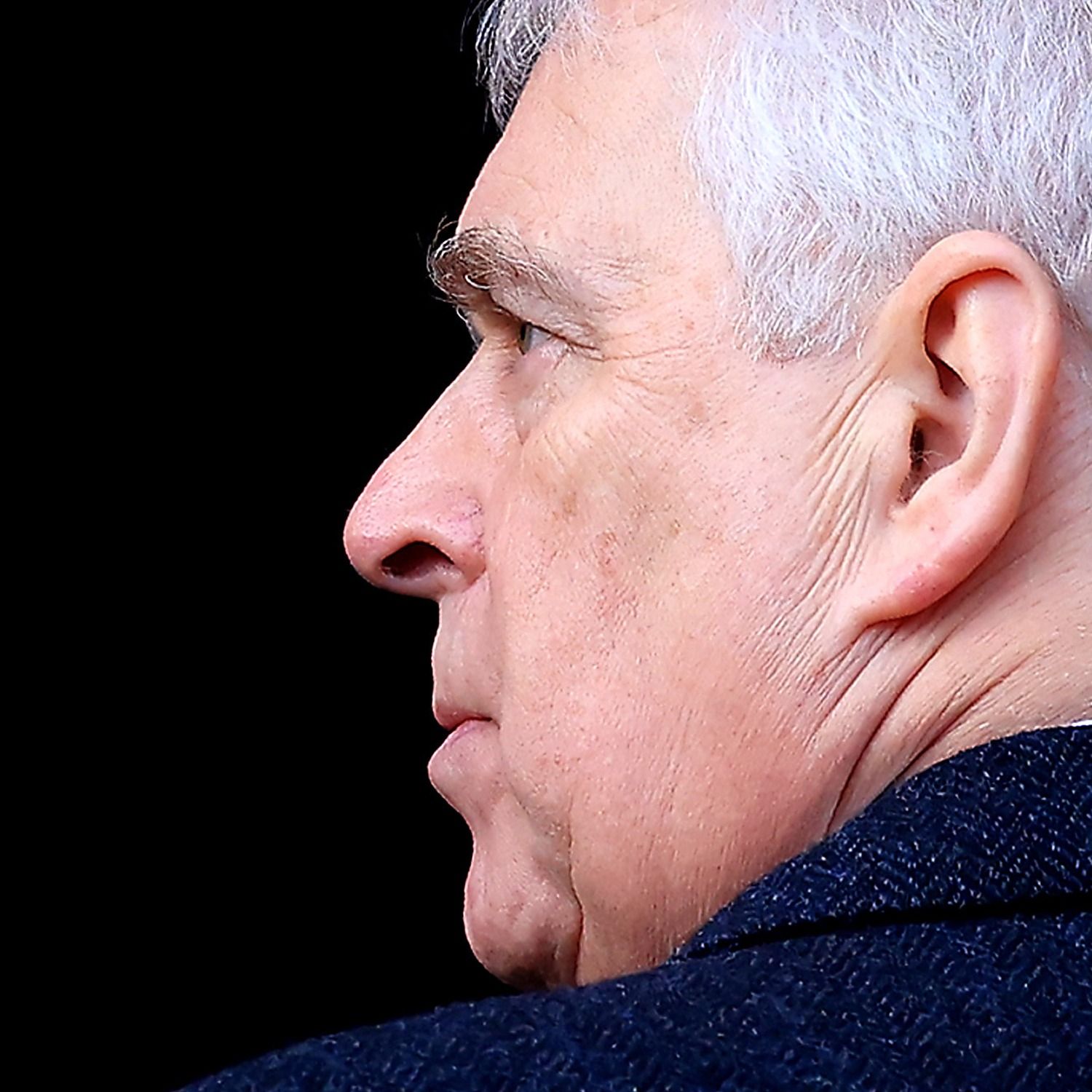
Photo: Stephen Pond/Getty Images
For more information on today’s episode, visit nytimes.com/thedaily. Transcripts of each episode will be made available by the next workday.
Subscribe today at nytimes.com/podcasts or on Apple Podcasts and Spotify. You can also subscribe via your favorite podcast app here https://www.nytimes.com/activate-access/audio?source=podcatcher. For more podcasts and narrated articles, download The New York Times app at nytimes.com/app.
Hosted by Simplecast, an AdsWizz company. See pcm.adswizz.com for information about our collection and use of personal data for advertising.