

🤖 AI Summary
Overview
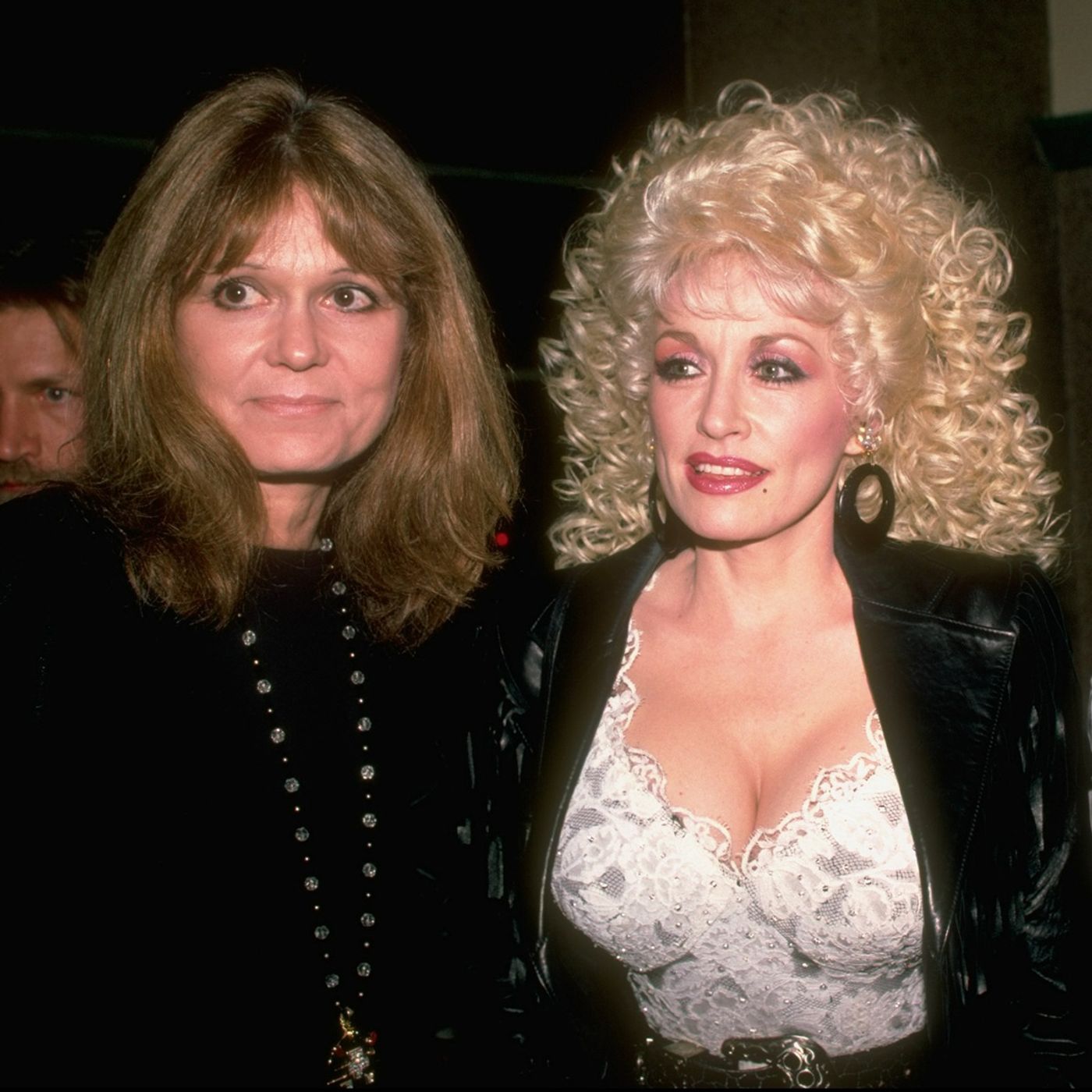
This episode explores the intertwined legacies of Gloria Steinem and Dolly Parton, two iconic women who passed away within days of each other. Despite their seemingly different paths—Steinem as a feminist activist and Parton as a country music legend—their lives and work reveal complementary approaches to advancing women's rights and empowerment. Through interviews with Letty Cottin Pogrebin, a co-founder of Ms. Magazine, and Susan Dominus, a New York Times Magazine writer, the episode delves into their cultural impact, contrasting styles, and shared contributions to feminism.
Notable Quotes
- If feminism means each of us finding our unique power and helping other women do the same, Dolly Parton certainly has done both.
– Gloria Steinem, in a tribute to Dolly Parton.
- She was mad as hell, but she was also kind of delightful and charming... there was something very enticing about all of those things wrapped up in this tiny blonde package.
– Susan Dominus, on Dolly Parton's feminist appeal.
- She thought every woman's life was a novel, a story... somewhere in every woman there was tragedy, comedy, and meaning.
– Letty Cottin Pogrebin, on Gloria Steinem's empathetic worldview.
🌟 Gloria Steinem’s Legacy in Feminism
- Letty Cottin Pogrebin reflects on her 55-year friendship with Steinem, describing her as family and a tireless advocate for women's rights.
- Steinem's career began with groundbreaking journalism, including her undercover exposé as a Playboy Bunny, which highlighted workplace exploitation.
- She co-founded Ms. Magazine, a revolutionary publication that tackled controversial topics like equal pay, reproductive rights, and workplace discrimination.
- Steinem's activism extended beyond media, encompassing political organizing, union advocacy, and the fight for the Equal Rights Amendment.
- Susan Dominus notes Steinem's omnipresence in the feminist movement, describing her as a symbol of structural and cultural change for women.
🎤 Dolly Parton: Feminism Without the Label
- Despite avoiding the term feminist,
Parton embodied feminist ideals through her music, business ventures, and personal choices.
- Her role in the 1980 film 9 to 5 became a cultural touchstone, addressing workplace sexism, equal pay, and childcare with humor and charm.
- Parton's business acumen, including the creation of Dollywood, showcased her control over her brand and finances, modeling empowerment for women.
- Songs like Down From Dover
tackled taboo topics like unwed pregnancy, further cementing her as a quiet revolutionary.
- Susan Dominus highlights Parton's ability to unify audiences across cultural divides, making feminist ideals accessible to a broader audience.
🤝 The Intersection of Two Icons
- Susan Dominus reflects on how Steinem and Parton represented two sides of feminism: Steinem as the explicit organizer and Parton as the joyful embodiment of feminist ideals.
- Steinem herself recognized Parton's contributions, writing a tribute in Ms. Magazine that celebrated her as a feminist figure despite her reluctance to claim the label.
- Their deaths, occurring so close together, underscore their complementary roles in advancing women's rights and cultural change.
🎥 The Cultural Impact of *9 to 5*
- The film 9 to 5, starring Parton, Jane Fonda, and Lily Tomlin, became a feminist anthem disguised as a comedy.
- It tackled workplace issues like sexual harassment, unequal pay, and gender discrimination, resonating with audiences across generations.
- Susan Dominus recalls how the film served as a lightning bolt feminist moment
for her, blending humor with a powerful message of empowerment.
- The movie's success was rooted in its ability to address serious issues while remaining accessible and entertaining, drawing in viewers who might not identify as feminists.
🏛️ A Shared Vision for Equality
- Both women championed the idea of women living authentically and unapologetically, whether through activism or personal example.
- Steinem envisioned a world of structural equality, while Parton demonstrated what that equality could look like in practice.
- Steinem once expressed her hope to own a diner in her old age, describing it as a democratic place
where everyone is welcome—a metaphor for the inclusive world she fought to create.
- Susan Dominus imagines Dolly Parton's music playing on the jukebox in Steinem's diner, symbolizing their shared legacy of empowerment and joy.
AI-generated content may not be accurate or complete and should not be relied upon as a sole source of truth.
📋 Episode Description
Gloria Steinem, the feminist icon and co-founder of Ms. magazine, died on Wednesday at her home in Manhattan. Her death came as many were still grieving the loss of another iconic woman: Dolly Parton.
On paper, the connections between the two women seem superficial, but for the Times Magazine writer Susan Dominus, the relationship between their lives and impact is inescapable.
Guest:
- Susan Dominus, a staff writer at The New York Times Magazine.
- Letty Cottin Pogrebin, a writer and pioneer of the feminist movement who was part of the team that founded Ms. magazine with Gloria Steinem.
Background reading:
- In “9 to 5,” Dolly Parton put a friendly face on feminism.
- Gloria Steinem, the personification of the women’s movement, died at 92.
Photo: Robin Platzer/Getty Images
For more information on today’s episode, visit nytimes.com/thedaily. Transcripts of each episode will be made available by the next workday.
Subscribe today at nytimes.com/podcasts or on Apple Podcasts and Spotify. You can also subscribe via your favorite podcast app here https://www.nytimes.com/activate-access/audio?source=podcatcher. For more podcasts and narrated articles, download The New York Times app at nytimes.com/app.
Hosted by Simplecast, an AdsWizz company. See pcm.adswizz.com for information about our collection and use of personal data for advertising.